
Tue Feb 24 16:02:49 UTC 2026: ### Pune Considers Low Emission Zones to Combat Air Pollution Following ITDP Study
The Story:
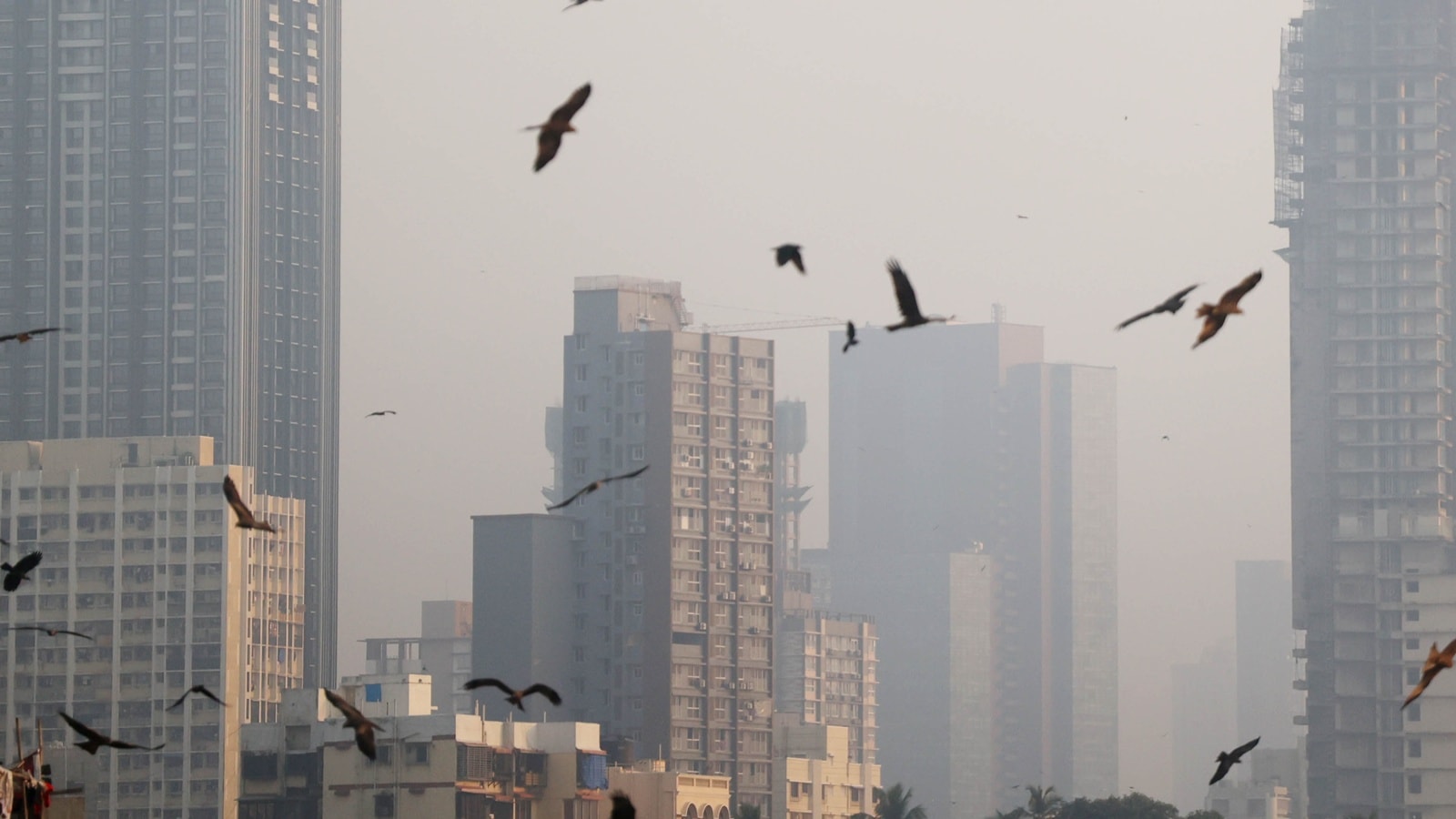
A new study by the Institute for Transportation and Development Policy (ITDP) India suggests that implementing policy interventions like Low Emission Zones (LEZs) can effectively encourage a shift to cleaner vehicles. The study, referenced by The Indian Express, highlights the potential for LEZs to significantly reduce PM2.5 emissions, a major contributor to air pollution in cities like Pimpri Chinchwad. LEZs, which restrict or charge highly polluting vehicles entering designated zones, have proven successful in cities like London, Seoul, and Brussels. The article notes that while Delhi has implemented LEZ-like restrictions through a Supreme Court ruling, other Indian cities need to address legal and logistical challenges for widespread adoption.
Key Points:
- ITDP study supports the introduction of Low Emission Zones (LEZs) to reduce vehicular emissions.
- IITM-SAFAR study (2023) indicates that almost 50% of PM2.5 emissions in India come from the transport sector.
- London’s experience with LEZs, introduced in 2008, and Ultra-Low Emission Zones (ULEZ), introduced in 2019, demonstrates their effectiveness in reducing PM10 and Nitrogen Dioxide levels.
- Siddharth Godbole of ITDP India believes LEZs in cities like Pimpri Chinchwad could reduce PM2.5 emissions by almost 90% by restricting BS4 and below vehicles.
- Delhi has implemented LEZ-like restrictions through a Supreme Court ruling.
Key Takeaways:
- Evidence suggests policy interventions like LEZs are effective in reducing vehicular emissions and improving air quality.
- The transport sector is a major contributor to PM2.5 pollution, necessitating targeted interventions.
- While London’s experience offers a successful model, Indian cities must address legal, technological, and enforcement challenges for effective LEZ implementation.
- The Pimpri-Chinchwad Municipal Corporation’s consideration of vehicle restriction measures is a positive step towards tackling air pollution.
- Public transport improvements and cycling infrastructure should be integrated with LEZs to encourage cleaner mobility.
Impact Analysis:
The potential implementation of LEZs in Pune and other Indian cities could have significant long-term impacts:
- Improved Public Health: Reduced air pollution will lead to fewer respiratory illnesses and improved overall public health, particularly for vulnerable populations like children and the elderly.
- Economic Benefits: A healthier population can contribute to a more productive workforce, leading to economic benefits. Furthermore, the transition to cleaner vehicles can stimulate innovation and growth in the green technology sector.
- Environmental Sustainability: Reduced emissions will contribute to broader environmental sustainability goals, including mitigating climate change and protecting ecosystems.
- Urban Planning and Development: The implementation of LEZs can influence urban planning decisions, encouraging the development of more sustainable and pedestrian-friendly cities.
- Policy Diffusion: Successful implementation in pilot cities like Pimpri Chinchwad could encourage other Indian cities to adopt similar measures, leading to a nationwide improvement in air quality.
 First Piper