
Tue Feb 24 01:10:00 UTC 2026: ### Unseasonal Storms Disrupt South Bengal as Low Pressure System Looms
The Story:
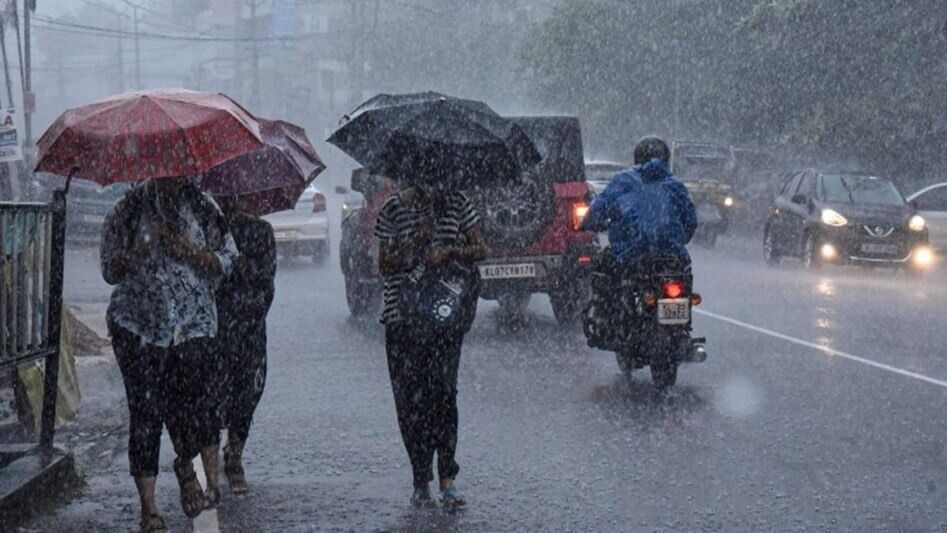
An unexpected turn in weather patterns has swept through Kolkata and South Bengal, marking the onset of spring with thunderstorms and rainfall. Starting early Tuesday morning, the region experienced widespread showers accompanied by lightning and gusty winds. While the initial downpour was moderate, it gradually subsided, leaving behind reports of damage to crops and infrastructure. The Alipore Meteorological Department has indicated that these conditions are likely to persist until Wednesday, followed by a return to drier weather.
The unseasonal weather is attributed to a low-pressure area over the Bay of Bengal and an upper-level cyclonic circulation over Gangetic West Bengal. This confluence of weather systems has resulted in light to moderate rainfall across most of South Bengal, with isolated showers in North Bengal and fog in Darjeeling.
Key Points:
- Tuesday, February 24, 2026: Thunderstorms and rainfall hit Kolkata and South Bengal.
- The Alipore Meteorological Department forecasts similar conditions until Wednesday.
- A low-pressure area over the Bay of Bengal and an upper-level cyclonic circulation are responsible for the weather.
- Reports of mango blossoms being damaged in the Hooghly district.
- Approximately 50 feet of the embankment of the Kalagachia River in North 24 Parganas has collapsed.
- A yellow alert has been issued for South 24 Parganas, East Medinipur, West Medinipur, and Jhargram.
- Rainfall is also predicted for parts of North Bengal, including Jalpaiguri, Darjeeling, and Kalimpong.
Critical Analysis:
The related historical context reveals a pattern of volatile weather events impacting different regions. While the Eastern Mountains are grappling with heavy snowfall and blizzards, South Bengal is experiencing unseasonal thunderstorms. The news article about “Change and Continuity” in West Bengal could be alluding to the unpredictable weather patterns disrupting the normal course of life. The timing of these events coinciding with the CBSE Board Exams 2026 adds another layer of complexity, potentially affecting students and examination schedules.
Key Takeaways:
- Unpredictable weather patterns are becoming increasingly common, impacting various regions simultaneously.
- The agricultural sector is vulnerable to sudden weather changes, leading to potential crop losses.
- Infrastructure is susceptible to damage from heavy rainfall and strong winds.
- Authorities need to issue timely weather warnings and take proactive measures to mitigate the impact of adverse weather conditions.
- The disruption caused by these weather events may have far-reaching consequences, affecting various sectors, including agriculture, education, and transportation.
Impact Analysis:
The unseasonal storms in South Bengal, coupled with extreme weather events in other parts of the region, highlight the growing vulnerability to climate change. These events have the potential to cause significant economic losses due to crop damage and infrastructure damage. Long-term implications could include shifts in agricultural practices, increased investment in disaster preparedness, and a greater focus on climate resilience. The frequency and intensity of such events may also lead to displacement and migration, further straining resources and infrastructure.
 First Piper