
Mon Feb 23 21:26:36 UTC 2026: ### Headline: U.S. Accuses China of Nuclear Buildup and Secret Tests as New START Treaty Expires
The Story
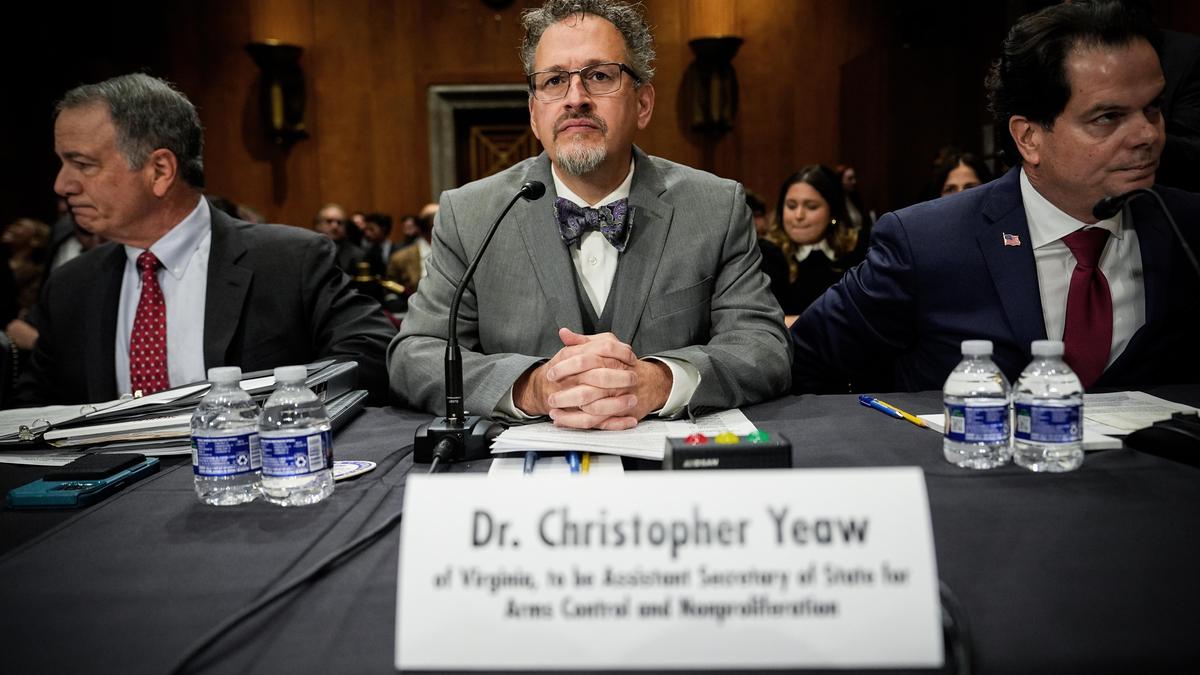
On Monday, February 23, 2026, the United States accused China of a “deliberate, rapid and opaque” expansion of its nuclear arsenal and reiterated claims of secret nuclear tests. U.S. Assistant Secretary of State Christopher Yeaw addressed the Conference on Disarmament in Geneva, asserting that the expiration of the New START treaty with Russia presented an opportunity for a “better agreement” inclusive of Beijing. China’s Ambassador Shen Jian refuted these accusations, stating that China would not participate in a nuclear arms race. Discussions between U.S. and Chinese delegations are reportedly underway.
Key Points
- The U.S. accuses China of rapidly expanding its nuclear arsenal without transparency.
- The U.S. alleges China conducted a low-yield nuclear test on June 22, 2020, in Kazakhstan.
- The New START treaty between the U.S. and Russia expired on February 5, 2026.
- The U.S. claims China may achieve nuclear parity with the U.S. within four or five years.
- China denies U.S. accusations and insists its nuclear arsenal is not comparable to those of the U.S. and Russia.
- Preparatory meetings between U.S. and Chinese delegations have begun.
Critical Analysis
While the provided context lacks direct strategic depth, the timing of these accusations immediately following the expiration of the New START treaty suggests a strategic move by the U.S. to pressure China into arms control negotiations. The reference to alleged secret nuclear tests, echoing similar accusations from the previous administration, indicates a continuation of a long-standing point of contention between the two nations. The mention of a “preparatory” meeting indicates at least an attempt to address the issue diplomatically, despite the public accusations.
Key Takeaways
- The expiration of the New START treaty has created a vacuum in nuclear arms control, raising concerns about a potential arms race.
- The U.S. is actively attempting to bring China into a trilateral arms control agreement.
- Accusations of secret nuclear tests serve as leverage in diplomatic negotiations.
- The U.S. perceives China’s nuclear capabilities as a growing threat.
- China rejects the premise of trilateral talks, claiming its arsenal is not comparable to those of the U.S. and Russia.
Impact Analysis
The breakdown of the New START treaty and the escalating rhetoric between the U.S. and China over nuclear capabilities have the potential for significant long-term impact.
- Increased Global Instability: Without arms control agreements, the risk of miscalculation and escalation increases, potentially destabilizing international relations.
- Regional Arms Races: Other nations may feel compelled to increase their own nuclear capabilities in response to the perceived threat, leading to regional arms races.
- Economic Impact: An arms race could divert resources away from other critical areas, such as economic development and climate change mitigation.
- Shift in Geopolitical Power: The outcome of any potential arms control negotiations or lack thereof could significantly shift the balance of power between the U.S., China, and Russia.
- Risk of Nuclear Conflict: While unlikely, the increased tension and lack of communication channels heighten the risk of unintended nuclear conflict.
 First Piper