
Mon Feb 23 16:46:23 UTC 2026: # U.S. Forces Withdraw from Key Syrian Base as Damascus Consolidates Control
The Story:
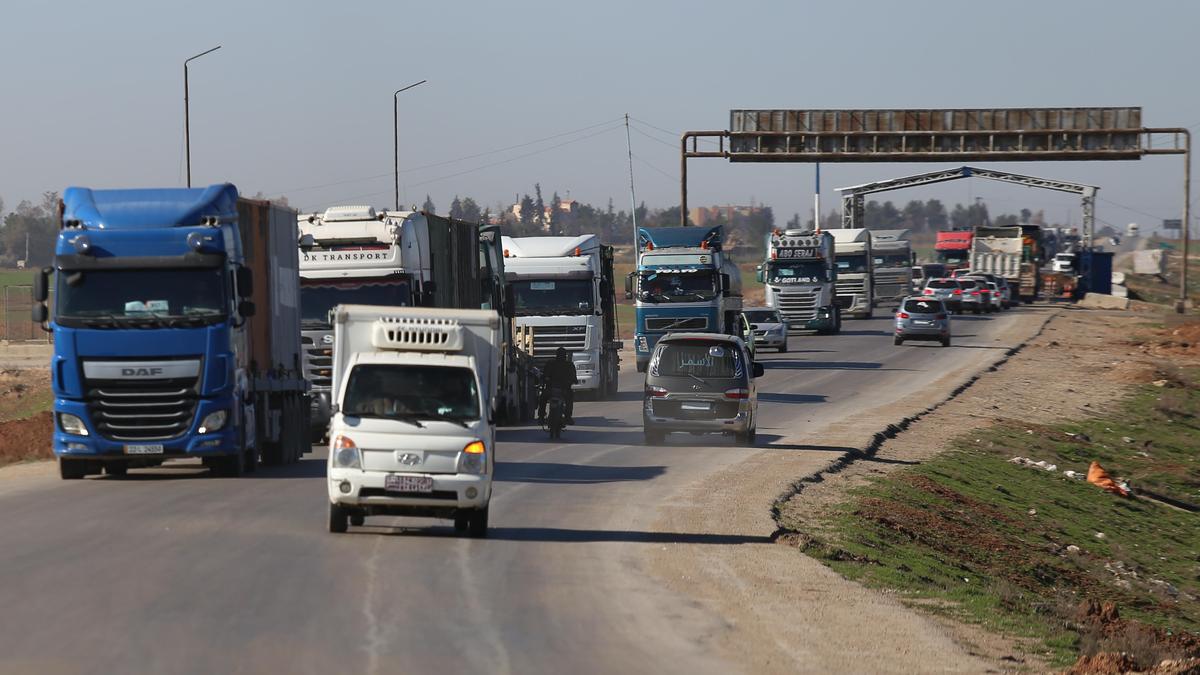
U.S. forces have begun withdrawing from Qasrak, their largest base in northeastern Syria, on Monday, February 23, 2026. This pullout is part of a broader departure as the Syrian government, now led by President Ahmed al-Sharaa, consolidates its control over the region. Dozens of trucks, some carrying armored vehicles, were observed leaving the base in Hasakah province, heading towards Iraqi territory. While the U.S. military’s Central Command (Centcom) has not yet commented, the withdrawal follows previous departures from bases at al-Shaddadi and al-Tanf after government forces seized control from the Syrian Democratic Forces (SDF).
A U.S. official stated on February 18, 2026, that the troop reduction is a “deliberate and conditions-based transition,” suggesting the Syrian government is now taking responsibility for combating terrorism within its borders. The Wall Street Journal reported that all roughly 1,000 U.S. troops would be withdrawn from Syria. Notably, Syria joined the U.S.-led coalition to combat Islamic State last year.
Key Points:
- U.S. forces began withdrawing from Qasrak, their largest base in northeastern Syria, on February 23, 2026.
- The withdrawal is occurring as the Syrian government consolidates control over the northeast after taking territory from the SDF last month.
- The U.S. had previously withdrawn from bases at al-Shaddadi and al-Tanf.
- A U.S. official cited a “deliberate and conditions-based transition,” with the Syrian government taking responsibility for combating terrorism.
- The Wall Street Journal reported that all roughly 1,000 U.S. troops would be withdrawn.
- Syria joined the U.S.-led coalition to combat Islamic State last year.
- Islamic State claimed responsibility for two attacks on February 21, 2026, that killed a soldier and a civilian.
Critical Analysis:
The withdrawal of U.S. forces and the Syrian government’s consolidation of control point to a significant shift in the regional power dynamic. The U.S. rationale of Syria taking “primary responsibility” for combating terrorism suggests a re-evaluation of U.S. strategic interests in the region. With tensions between the U.S. and Iran, as suggested in the historical context, it is possible that the U.S. is aiming to reduce its footprint and direct involvement in the Syrian conflict, allowing the Syrian government to handle internal security while potentially focusing on other regional concerns.
Key Takeaways:
- The U.S. is reducing its military presence in Syria, signaling a potential shift in its foreign policy strategy in the region.
- The Syrian government is gaining greater control over its territory, potentially leading to increased stability or new internal conflicts.
- The withdrawal could impact the fight against ISIS, with the Syrian government now taking the lead.
- The reported frustration of former President Trump with military options against Iran might be a factor influencing the current administration’s decision to reduce the U.S. footprint in Syria.
- The future of the SDF and other non-state actors in the region is uncertain.
Impact Analysis:
The long-term implications of the U.S. withdrawal are significant. The Syrian government’s ability to effectively combat terrorism and maintain stability will be crucial. The power vacuum left by the U.S. could be filled by other regional actors, potentially leading to increased competition and instability. The withdrawal could also embolden ISIS or other extremist groups. The
 First Piper