
Tue Feb 24 04:44:16 UTC 2026: # Northeast U.S. Airlines Struggle to Recover After Major Blizzard
The Story:
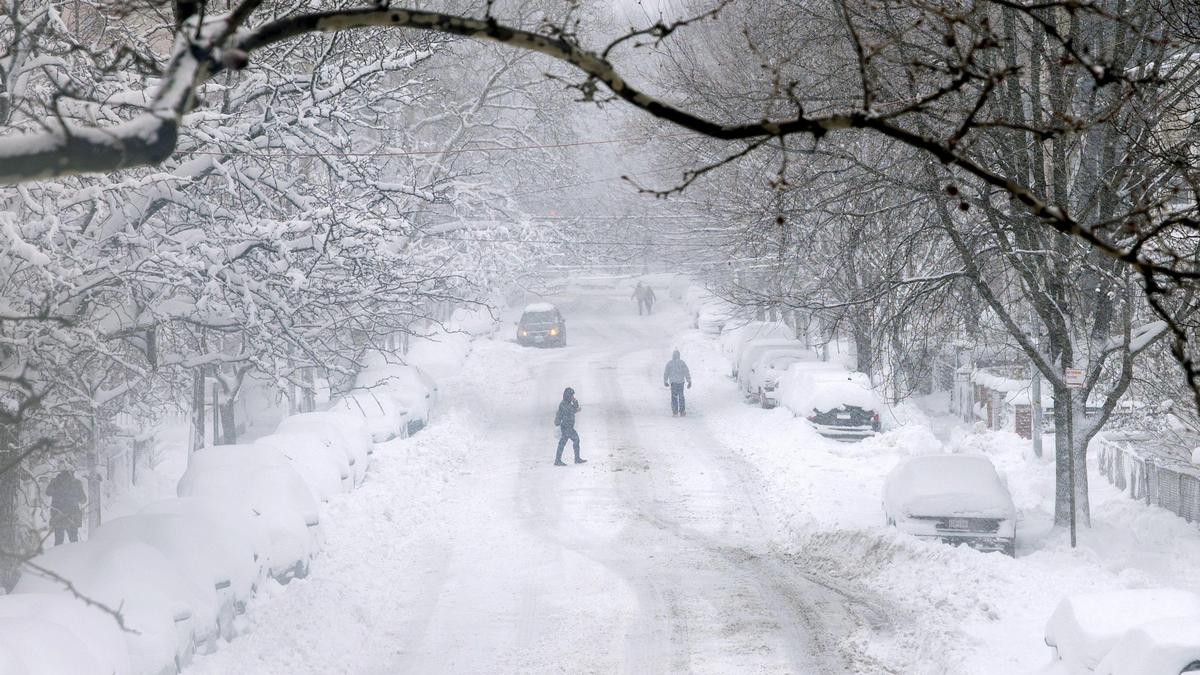
U.S. airlines are scrambling to resume normal operations on Tuesday, February 24, 2026, after a powerful winter storm blanketed the Northeast, forcing widespread flight cancellations and travel disruptions on Monday, February 23, 2026. While carriers are planning to increase flights, significant challenges remain. The storm dropped over 2-1/2 feet (76.2 cm) of snow in some areas, leading to road closures and travel advisories.
The travel industry is attempting to bounce back, with airlines like United, Delta, and American aiming to resume services at major airports including LaGuardia, JFK, and Boston Logan. However, lingering effects of the storm, including significant cancellations by JetBlue, continue to impact travelers. U.S. passenger railroad Amtrak also canceled numerous trains in the region.
Key Points:
- U.S. airlines are planning to increase flights on Tuesday, February 24, 2026, after a major Northeast winter storm.
- Over 8,000 flights were canceled or delayed on Monday, February 23, 2026.
- 7% of U.S. flights are expected to be canceled on Tuesday, down from over 19% on Monday.
- JetBlue canceled approximately 80% of its flights on Monday and a total of 1,600 flights through Wednesday.
- American, Delta, and United canceled about 20% of flights on Monday.
- Amtrak canceled dozens of trains between New York and Boston.
Key Takeaways:
- Severe weather events continue to pose significant challenges to air travel infrastructure and schedules.
- Airlines are working to recover quickly, but disruptions are expected to persist for several days.
- Travelers should anticipate delays and cancellations and check with their carriers for updated flight information.
Impact Analysis:
The blizzard and subsequent travel disruptions highlight the vulnerability of transportation systems to extreme weather. The event underscores the need for robust contingency planning and investment in infrastructure resilient to climate change impacts. The long-term impact could include increased pressure on airlines to improve communication with passengers during disruptions and to enhance their ability to recover from such events efficiently. This will likely lead to investment in better forecasting and de-icing technologies to minimise flight disruptions in the future.
 First Piper