
Tue Feb 24 11:14:55 UTC 2026: ### Modi’s Israel Visit Amidst Geopolitical Tensions Signals Evolving Indian Foreign Policy
The Story:
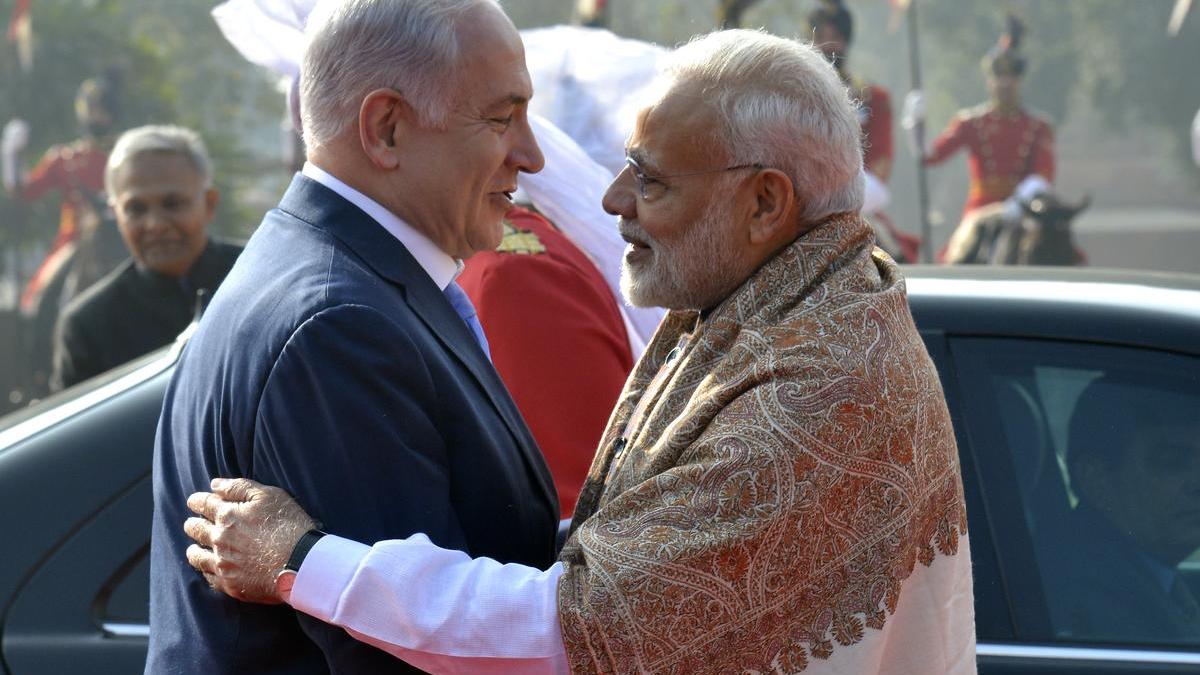
Prime Minister Narendra Modi is scheduled to visit Israel on Wednesday, February 25, 2026, to strengthen bilateral relations. The visit, however, occurs amidst significant geopolitical headwinds, including rising tensions between the U.S. and Iran, Israel’s plans to expand control over territories in the West Bank, and ongoing controversies related to alleged links between Israeli leaders and the late Jeffrey Epstein. The agenda includes discussions on defence, security, trade, technology, and the IMEC project, but the visit’s symbolic significance and potential impact on regional dynamics are paramount.
Key Points:
* Prime Minister Modi will visit Israel from February 25-26, 2026.
* Discussions will focus on defence, security, labour, trade, AI, technology, and the IMEC project.
* Prime Minister Netanyahu plans to announce a “hexagonal alliance” against “radical Sunni and Shia axes,” potentially involving India, Greece, Cyprus, and unnamed Arab, African, and Asian countries.
* The visit occurs amidst U.S.-Iran tensions and threats of military action.
* India faces criticism for its delayed response to international condemnation of Israel’s West Bank expansion plans.
* The visit coincides with controversies surrounding Jeffrey Epstein and alleged links to Israeli leaders.
* India has curtailed trade and investment with Iran due to U.S. sanctions, impacting the Chabahar port project.
Critical Analysis:
The timing of Modi’s visit is crucial. Netanyahu’s proposed “hexagonal alliance” indicates a strategic realignment in the region, aiming to counter perceived threats from both Sunni and Shia extremist groups. India’s potential involvement reflects a willingness to take a more assertive role in West Asian geopolitics, despite the risks of alienating countries like Iran and potentially Saudi Arabia. The U.S. Ambassador’s comments about Israel taking control of the biblical Middle-East or West Asia suggests a tacit endorsement of Israel’s expansionist policies, which further complicates India’s position.
Key Takeaways:
* India is deepening its strategic partnership with Israel, despite regional complexities and potential diplomatic costs.
* The visit signals a shift towards a more proactive Indian foreign policy in West Asia.
* Balancing relations with Israel, Iran, and other regional players presents a significant diplomatic challenge for India.
* India’s participation in the proposed “hexagonal alliance” could reshape regional power dynamics.
* The visit is shadowed by controversies surrounding Israel’s actions in the West Bank and allegations against Israeli leaders.
Impact Analysis:
The long-term impact of this visit could be substantial. India’s alignment with Israel and potentially other nations in the proposed alliance could lead to increased cooperation on security and counter-terrorism. However, it also risks escalating tensions with Iran and potentially damaging India’s energy security and connectivity projects, such as the Chabahar port. The success of the visit will depend on India’s ability to navigate these complex relationships while maintaining its strategic autonomy. Furthermore, the internal political landscape in both India and Israel, particularly given the upcoming Israeli elections and the domestic criticism of Modi’s government’s stance on Palestine, will play a crucial role in shaping the long-term implications of this visit.
 First Piper