
Tue Feb 24 10:20:00 UTC 2026: ### Headline: Record-Breaking Nor’easter Cripples US East Coast, Disrupting Travel and Leaving Hundreds of Thousands Without Power
The Story:
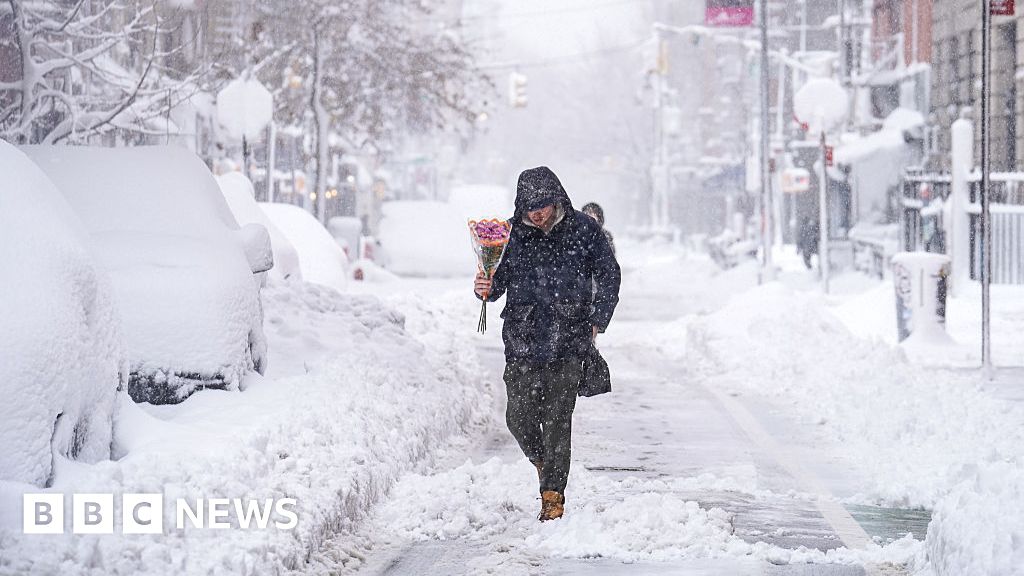
A massive nor’easter slammed the US East Coast on Monday, February 23, 2026, unleashing record-breaking snowfall that paralyzed travel, shuttered schools, and left over 600,000 properties without power. Parts of Rhode Island and Massachusetts bore the brunt of the storm, with some areas recording nearly 37 inches (94cm) of snowfall. The severity of the storm prompted travel bans across several states, including Rhode Island, Connecticut, and Massachusetts, bringing major cities like New York City to a near standstill. The storm also forced the Boston Globe to suspend printing for the first time in its 153-year history.
The storm’s impact extended beyond travel disruptions and power outages. Residents found themselves trapped in their homes, and emergency services faced challenges reaching those in need. As the storm moves eastward towards coastal Canada, strong winds are expected to persist, and the region grapples with the aftermath of this historic weather event.
Key Points:
- Record snowfall: Parts of Rhode Island and Massachusetts received nearly 37 inches (94cm) of snow. Providence, Rhode Island, received 36 inches (91cm), breaking the previous record of 28.6 inches (72.6cm) set in February 1978.
- Widespread Power Outages: Over 600,000 properties on the US East Coast experienced power outages, with nearly 300,000 in Massachusetts alone.
- Travel Disruption: Thousands of flights were cancelled, with LaGuardia Airport and JFK Airport in New York City seeing 98% and 91% of flights cancelled, respectively. Multiple states implemented travel bans.
- Impact on Essential Services: The Boston Globe suspended printing operations due to the storm, a first in its 153-year history.
- Police Response: The NYPD is investigating incidents of officers being pelted with snowballs, condemning the behavior as “disgraceful” and “criminal.”
Key Takeaways:
- The intensity of the nor’easter highlights the continued vulnerability of the US East Coast to extreme weather events.
- Infrastructure resilience is critical: Power grids and transportation networks were severely strained, underscoring the need for investment in infrastructure upgrades.
- Communication and preparedness are essential: Travel bans and public safety warnings were crucial in mitigating potential harm.
- The storm’s impact extends beyond immediate disruptions: Power outages and travel restrictions can have significant economic and social consequences.
Impact Analysis:
The February 2026 nor’easter event series has several long-term implications:
- Infrastructure Investment: Expect increased calls for investments in burying power lines and upgrading transportation infrastructure to better withstand extreme weather.
- Emergency Response Planning: States and municipalities will likely review and refine emergency response plans, focusing on evacuation procedures, resource allocation, and communication strategies.
- Economic Impact: The storm’s disruption to businesses, travel, and supply chains will likely have a noticeable impact on the regional economy.
- Climate Change Debate: The event will likely fuel the ongoing debate about the role of climate change in intensifying extreme weather events, prompting further research and policy discussions.
 First Piper