
Tue Feb 24 12:45:07 UTC 2026: ### Congress Criticizes PM Modi’s Israel Visit Amid Rising West Asia Tensions
The Story:
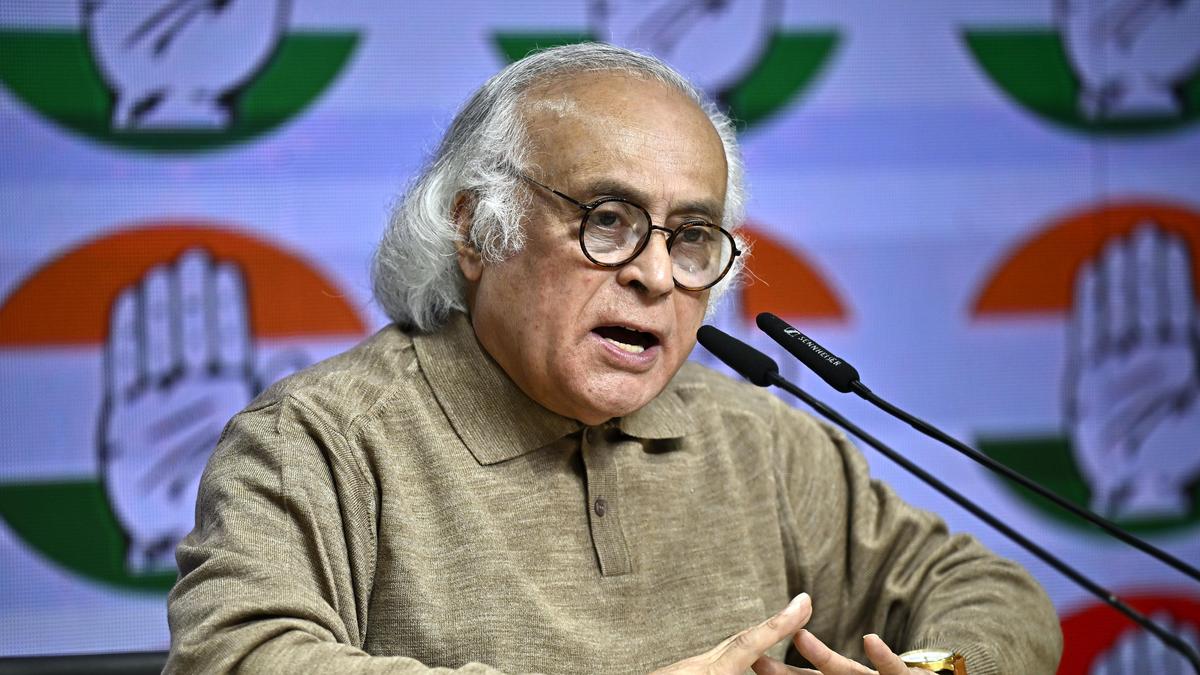
The Indian National Congress has publicly criticized Prime Minister Narendra Modi‘s impending visit to Israel, scheduled for February 25, 2026, citing escalating tensions in West Asia. Congress general secretary Jairam Ramesh voiced concerns over Israel’s actions in the occupied West Bank and Gaza, as well as alleged plans for joint air assaults with the United States on Iran. The Congress alleges inconsistency in the Modi government’s foreign policy, accusing it of abandoning its historical support for Palestine.
Key Points:
- The Congress party criticizes PM Modi‘s visit to Israel, scheduled for February 25, 2026, amidst rising tensions in West Asia.
- Jairam Ramesh highlights Israel’s actions in the West Bank and Gaza and accuses Israel and the U.S. of planning air assaults on Iran.
- The Congress leader claims that Prime Minister Netanyahu faces corruption charges and points to reported tensions within Israel.
- The Congress alleges that the Modi government has abandoned its commitment to the Palestinian cause, a departure from India’s historical stance.
- India recognized the State of Palestine on November 18, 1988.
Critical Analysis:
The timing of PM Modi’s visit to Israel is clearly contentious. The related headlines, “PM Modi’s Israel visit faces geopolitical headwinds” and “Defence ties to regional alignments: Why PM Modi is visiting Israel now,” suggest that the visit is strategically motivated by defense and regional alignment considerations, despite the current geopolitical climate. The Congress’ criticism likely stems from a perceived shift in India’s foreign policy toward a closer alignment with Israel, potentially at the expense of its traditional support for Palestine.
Key Takeaways:
- The Congress party is leveraging international tensions to criticize the Modi government’s foreign policy.
- India’s relationship with Israel is becoming a point of domestic political contention.
- The visit highlights a potential shift in India’s foreign policy, prioritizing strategic alliances over traditional positions.
- The timing of the visit suggests a deliberate decision to strengthen ties with Israel despite regional instability.
Impact Analysis:
This event series could have long-term implications for India’s foreign policy and its standing in the international community. A closer alignment with Israel could strain relations with Arab nations and complicate India’s role as a neutral mediator in the region. Domestically, the issue could further polarize political discourse, with the Congress party positioning itself as the defender of India’s historical support for Palestine. The success of this visit and its resulting defense and trade agreements will likely be a major focus of political debate in India.
 First Piper