
Mon Feb 23 20:57:14 UTC 2026: ### Headline: India’s Cheetah Reintroduction Project Gains Momentum with New Translocation from Botswana
The Story:
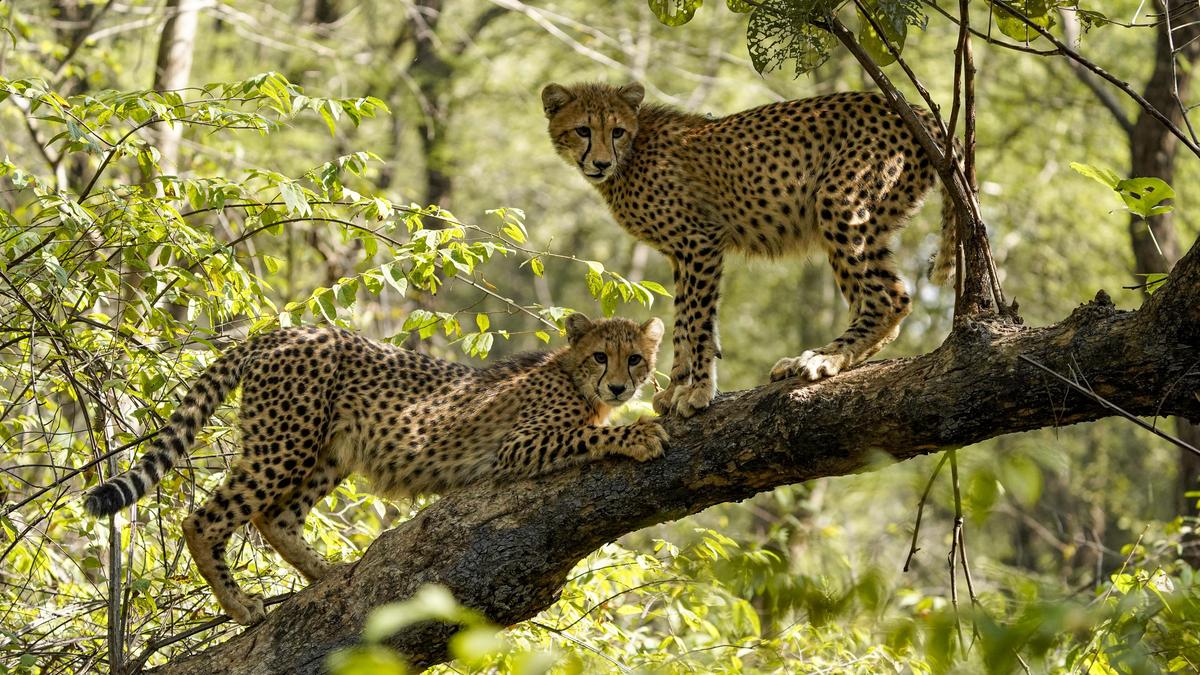
India’s ambitious Project Cheetah is set to receive another boost with the translocation of eight cheetahs from Botswana to Kuno National Park (KNP) in Madhya Pradesh on February 28, 2026. This translocation, announced on February 23, 2026, will bring India’s total cheetah population to 46, including eight cubs born at the KNP this month. The cheetahs, a mix of six males and two females, will arrive at Gwalior Air Base via Indian Air Force cargo plane before being transported to Kuno by helicopter. This marks Botswana as the third African nation contributing to the project, following previous translocations from Namibia and South Africa since the project’s inception in September 2022.
The cheetahs will undergo a mandatory 30-day quarantine period upon arrival, under the constant monitoring of veterinarians and staff. This translocation follows a formal donation by Botswana during President Droupadi Murmu’s visit in November 2025, highlighting the mutual initiative for wildlife conservation. Despite earlier challenges, including the death of 21 cheetahs (nine translocated adults and 12 India-born cubs), officials express confidence in the project’s progress, citing improved staff training and management experience.
Key Points:
- Eight cheetahs (six males, two females) will be translocated from Botswana to Kuno National Park on February 28, 2026.
- The translocation will bring India’s total cheetah population to 46.
- Botswana is the third African nation to contribute to Project Cheetah.
- The cheetahs will undergo a 30-day quarantine period.
- President Droupadi Murmu formally received the cheetahs during her visit to Botswana in November 2025.
- Since the project’s start in September 2022, 21 cheetahs have died at Kuno National Park.
- Three adult cheetahs reside in the Gandhi Sagar Wildlife Sanctuary.
Critical Analysis:
The fact that Botswana formally donated the cheetahs during President Murmu’s visit in November 2025 suggests a deliberate diplomatic and conservation strategy by both nations. It underscores the importance of international cooperation in addressing biodiversity loss and promoting wildlife conservation. The focus on staff training after the initial hiccups implies a responsive and adaptive management approach by Indian wildlife authorities.
Key Takeaways:
- Project Cheetah is progressing despite initial setbacks, indicating a long-term commitment to reintroducing cheetahs in India.
- International collaboration is crucial for the success of large-scale wildlife translocation projects.
- Adaptive management and continuous learning are essential for addressing challenges in wildlife conservation.
- The project aims to restore India’s biodiversity after the species went extinct in 1952.
- The increase in the cheetah population, including India-born cubs, suggests potential for the long-term establishment of a cheetah population in India.
Impact Analysis:
The successful translocation and integration of cheetahs into Kuno National Park and other suitable habitats could have significant long-term ecological and economic impacts. Ecologically, it could help restore the balance of the ecosystem by reintroducing a keystone predator. Economically, it could boost wildlife tourism and create opportunities for local communities. The project could also serve as a model for other countries seeking to reintroduce extinct species or enhance biodiversity.
 First Piper