
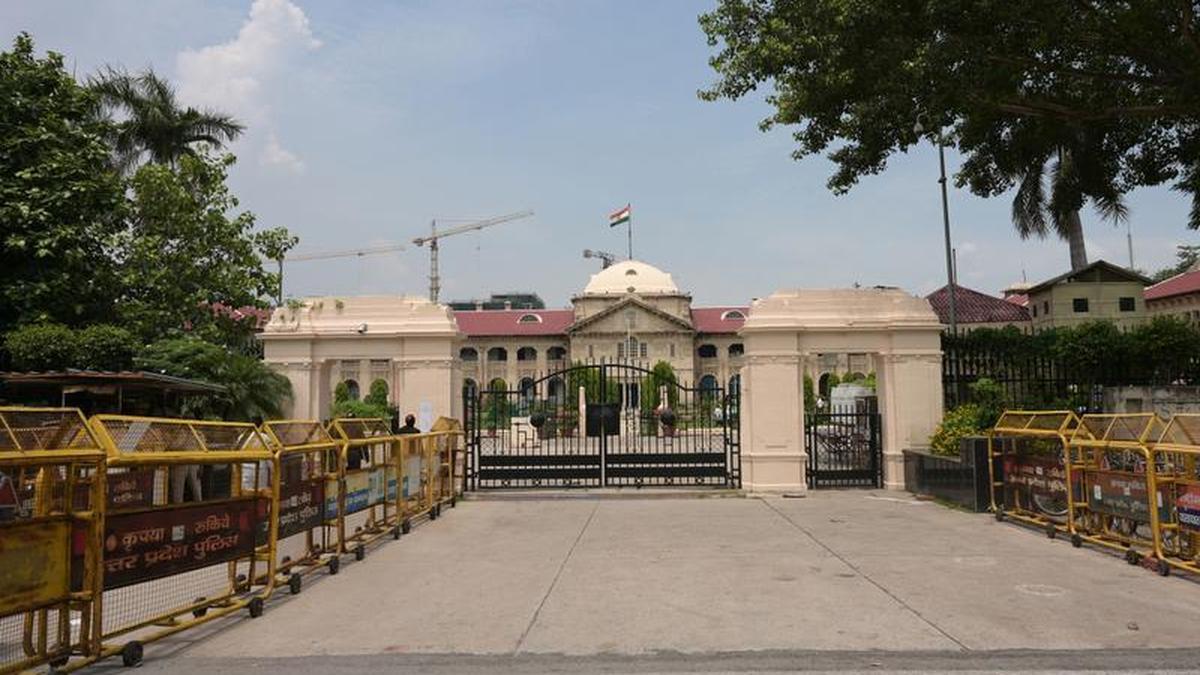
Mon Feb 23 18:39:28 UTC 2026: ### Headline: Allahabad High Court Upholds Right to Live-In Relationships, Protects Interfaith Couples
The Story:
The Allahabad High Court on Monday, February 23, 2026, granted police protection to 12 interfaith live-in couples in Uttar Pradesh, instructing state and private entities not to interfere with their life, liberty, and privacy. The ruling came in response to writ petitions filed by the couples, who feared repercussions under the Uttar Pradesh Prohibition of Unlawful Conversion of Religion Act, 2021. The court emphasized that the couples had not converted, thereby not violating the anti-conversion law, and affirmed their right to live together as adults, regardless of religious differences.
The court’s decision rejects the state government’s argument that the couples were in violation of the anti-conversion law due to their failure to submit applications for religious conversion. Justice Vivek Kumar Singh’s bench clarified that the law only applies when conversion occurs through illegal means, and that interfaith marriages themselves are not prohibited. The court further stated that the state has a constitutional duty to protect the life and liberty of every citizen, regardless of religious belief, and that denying this right based on religious differences would be antithetical to the freedom of choice and the concept of unity in diversity.
Key Points:
- The Allahabad High Court granted police protection to 12 interfaith live-in couples.
- The court stated no one among the interfaith live-in partners have converted from his/her religion.
- The court instructed the state and private respondents not to interfere with their life, liberty, and privacy.
- The ruling addressed concerns related to the Uttar Pradesh Prohibition of Unlawful Conversion of Religion Act, 2021.
- The court clarified that the anti-conversion law applies only when there is an actual conversion through illegal means, not merely to interfaith relationships.
- The court asserted the fundamental right of adults to live together peacefully, irrespective of religious beliefs.
Key Takeaways:
- The Allahabad High Court’s decision reinforces the constitutional rights of individuals to choose their partners and live together without fear of persecution.
- The ruling clarifies the scope and limitations of the Uttar Pradesh Prohibition of Unlawful Conversion of Religion Act, 2021, ensuring it is not misused to target interfaith couples.
- The judgment underscores the importance of protecting individual liberties and promoting tolerance in a diverse society.
- The court emphasizes that personal choice and freedom are paramount, particularly for adults making decisions about their relationships.
Impact Analysis:
The Allahabad High Court’s ruling has significant implications for interfaith couples in Uttar Pradesh and potentially across India. By upholding the right to live-in relationships and clarifying the anti-conversion law, the court has provided a crucial legal precedent that can protect couples from harassment and discrimination. This decision could influence future legal interpretations of similar laws and promote greater acceptance of interfaith relationships within Indian society. The long-term impact could involve a decrease in instances of harassment and legal challenges faced by interfaith couples, as well as a broader shift in societal attitudes towards religious freedom and personal autonomy.
 First Piper