
Tue Feb 24 14:14:20 UTC 2026: # India Launches Nationwide HPV Vaccination Program Targeting Girls Aged 14
The Story:
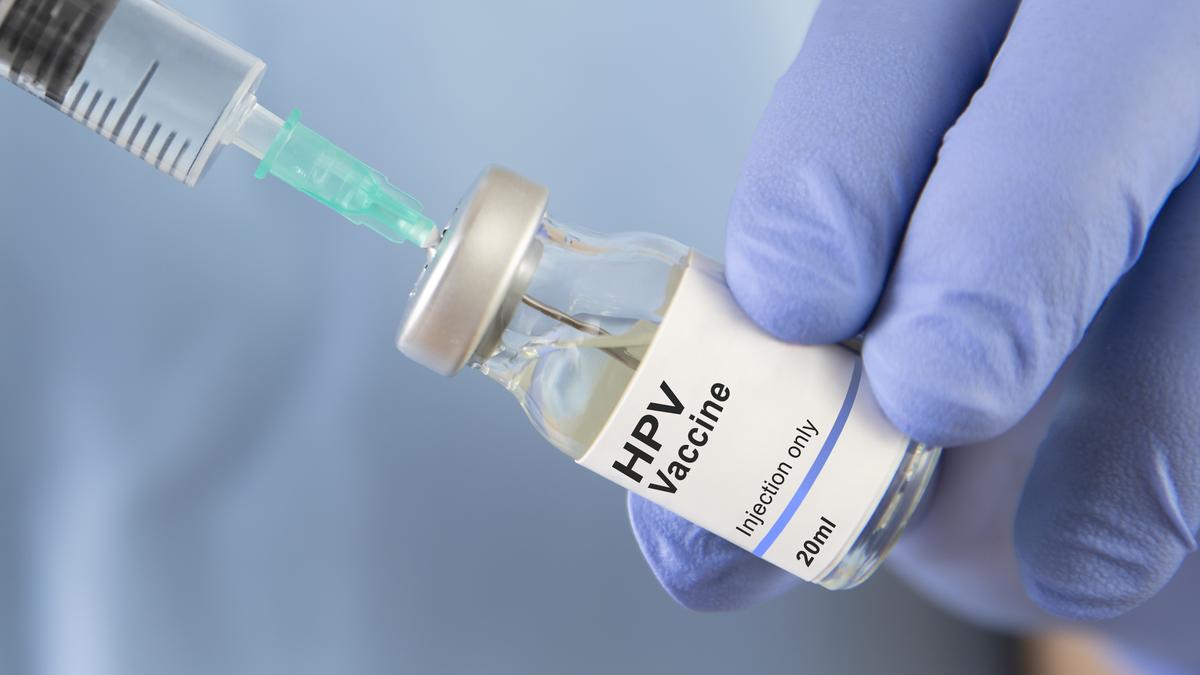
The Union Health Ministry of India is set to initiate a nationwide Human Papillomavirus (HPV) vaccination program, targeting 14-year-old girls. The program aims to provide voluntary and free vaccinations, ensuring equitable access across all socio-economic groups. India will utilize Gardasil, a quadrivalent HPV vaccine, to protect against HPV types 16 and 18 (which cause cervical cancer) as well as types 6 and 11. The program will be conducted at designated government health facilities.
Key Points:
- The nationwide HPV vaccination program will target girls aged 14 years.
- Vaccination will be voluntary and free of cost.
- India will use Gardasil, a quadrivalent HPV vaccine, protecting against HPV types 16, 18, 6, and 11.
- Vaccines are procured through a transparent, globally supported procurement mechanism under India’s partnership with Gavi, the Vaccine Alliance.
- Vaccination will occur exclusively at designated government health facilities.
- Cervical cancer is the second most common cancer among women in India, with nearly 80,000 new cases and over 42,000 deaths annually.
- HPV vaccines have demonstrated 93–100% effectiveness in preventing cervical cancer caused by vaccine-covered HPV types.
Key Takeaways:
- India is taking proactive measures to combat cervical cancer, a significant health burden among women.
- The program prioritizes accessibility and affordability by providing free vaccinations through government facilities.
- The use of Gardasil and procurement through Gavi reflect a commitment to internationally recognized standards and quality control.
- The focus on 14-year-old girls aligns with scientific evidence indicating maximum preventive benefit before potential exposure to HPV.
Impact Analysis:
- Reduced Cervical Cancer Incidence: Widespread HPV vaccination has the potential to significantly reduce the incidence of cervical cancer in India, leading to improved women’s health outcomes and reduced healthcare costs.
- Increased Awareness and Screening: The vaccination program could raise awareness about cervical cancer prevention, encouraging more women to undergo regular screening.
- Global Health Leadership: India’s commitment to HPV vaccination strengthens its position as a leader in global health initiatives and demonstrates its dedication to preventive healthcare.
- Long-Term Economic Benefits: Reducing the burden of cervical cancer can lead to long-term economic benefits by improving workforce participation and reducing healthcare expenditures.
 First Piper