
Tue Feb 24 13:40:57 UTC 2026: # India and Israel Resume Free Trade Agreement Negotiations
The Story:
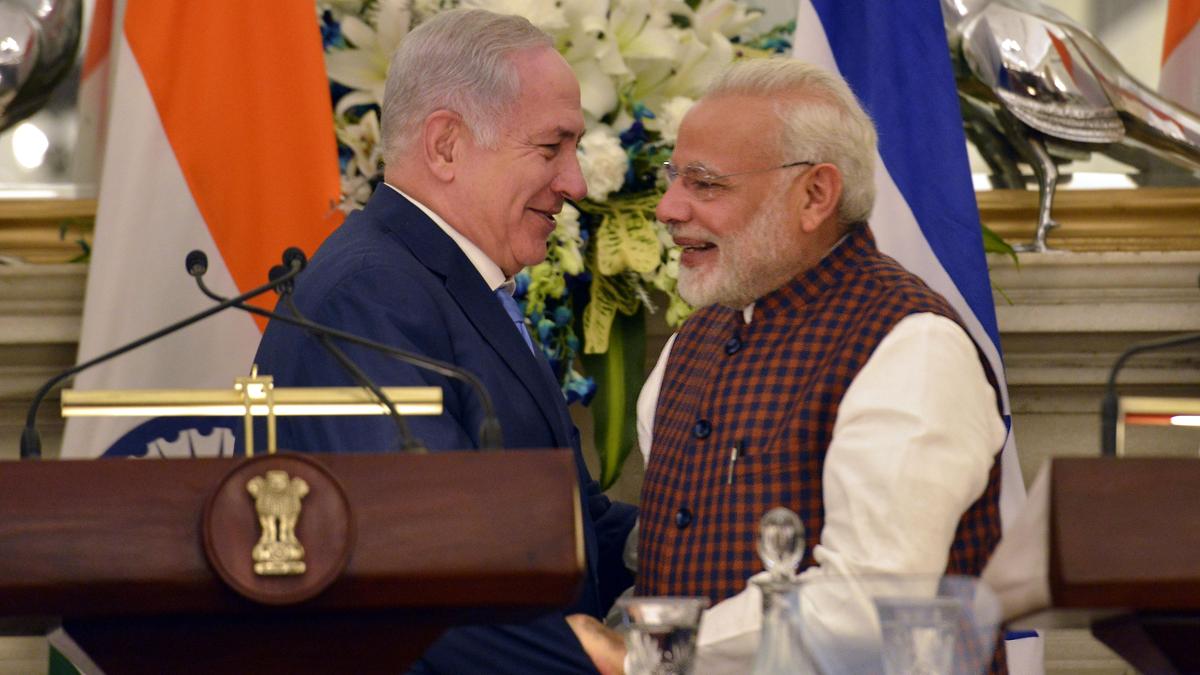
India and Israel have commenced the first round of negotiations for a Free Trade Agreement (FTA) in New Delhi on February 24, 2026, aiming to strengthen commercial ties and boost investments. These four-day talks follow the signing of the Terms of Reference (ToR) in November 2025, which outlined the framework for the negotiations. The FTA seeks to reduce or eliminate import duties, ease trade norms for services, and promote investments between the two nations. This round of talks is particularly significant as it coincides with Prime Minister Narendra Modi’s visit to Israel on February 25-26.
Key Points:
- FTA negotiations resumed after being stalled since October 2021, with eight rounds previously held.
- India’s exports to Israel decreased by 52% from $4.52 billion in 2023-24 to $2.14 billion in 2024-25.
- Imports from Israel also fell by 26.2% to $1.48 billion in the last fiscal year, resulting in bilateral trade of $3.62 billion.
- The ToR include eliminating tariff and non-tariff barriers, investment facilitation, simplified customs procedures, increased cooperation for innovation and technology transfer, and eased norms for trade in services.
- India is Israel’s second-largest trading partner in Asia.
- A Bilateral Investment Agreement (BIA) was signed in September 2025, reducing the local remedies exhaustion period for Israeli investors from 5 to 3 years.
- India received USD 337.77 million in Foreign Direct Investment (FDI) from Israel between April 2000 and June 2025.
Critical Analysis:
The timing of the FTA negotiations alongside Prime Minister Modi’s visit to Israel suggests a strong political commitment to revitalizing the trade relationship. The significant drop in trade volume between 2023-24 and 2024-25 likely acted as a catalyst for restarting the stalled negotiations. The focus on technology transfer and innovation aligns with India’s push for technological advancement, as highlighted by the “Standing Committee passes resolution on commending India AI Summit” from the related historical context.
Key Takeaways:
- The resumption of FTA talks indicates a renewed effort to strengthen economic ties between India and Israel.
- Addressing the recent decline in bilateral trade is a key objective of the negotiations.
- The FTA aims to facilitate investment and cooperation in technology and innovation.
- Prime Minister Modi’s visit underscores the high-level political support for the agreement.
- The agreement could potentially unlock greater market access and predictability for businesses in both countries.
Impact Analysis:
The successful implementation of the FTA could have significant long-term implications for both economies. It could lead to:
- Increased Trade Diversification: Moving beyond traditional goods like diamonds and petroleum products to include more electronic machinery, high-tech products, and medical equipment.
- Enhanced Investment Flows: Attracting more FDI from Israel into key sectors in India, particularly technology and manufacturing.
- Technological Advancement: Facilitating the transfer of Israeli technology and innovation to India, contributing to the country’s technological development.
- Geopolitical Significance: Strengthening the strategic partnership between India and Israel, further solidifying their relationship in the global arena.
 First Piper