
Tue Feb 24 08:05:06 UTC 2026: ### Anandamath and Vande Mataram: A Deep Dive into Nationalism, Controversy, and Historical Context
The Story:
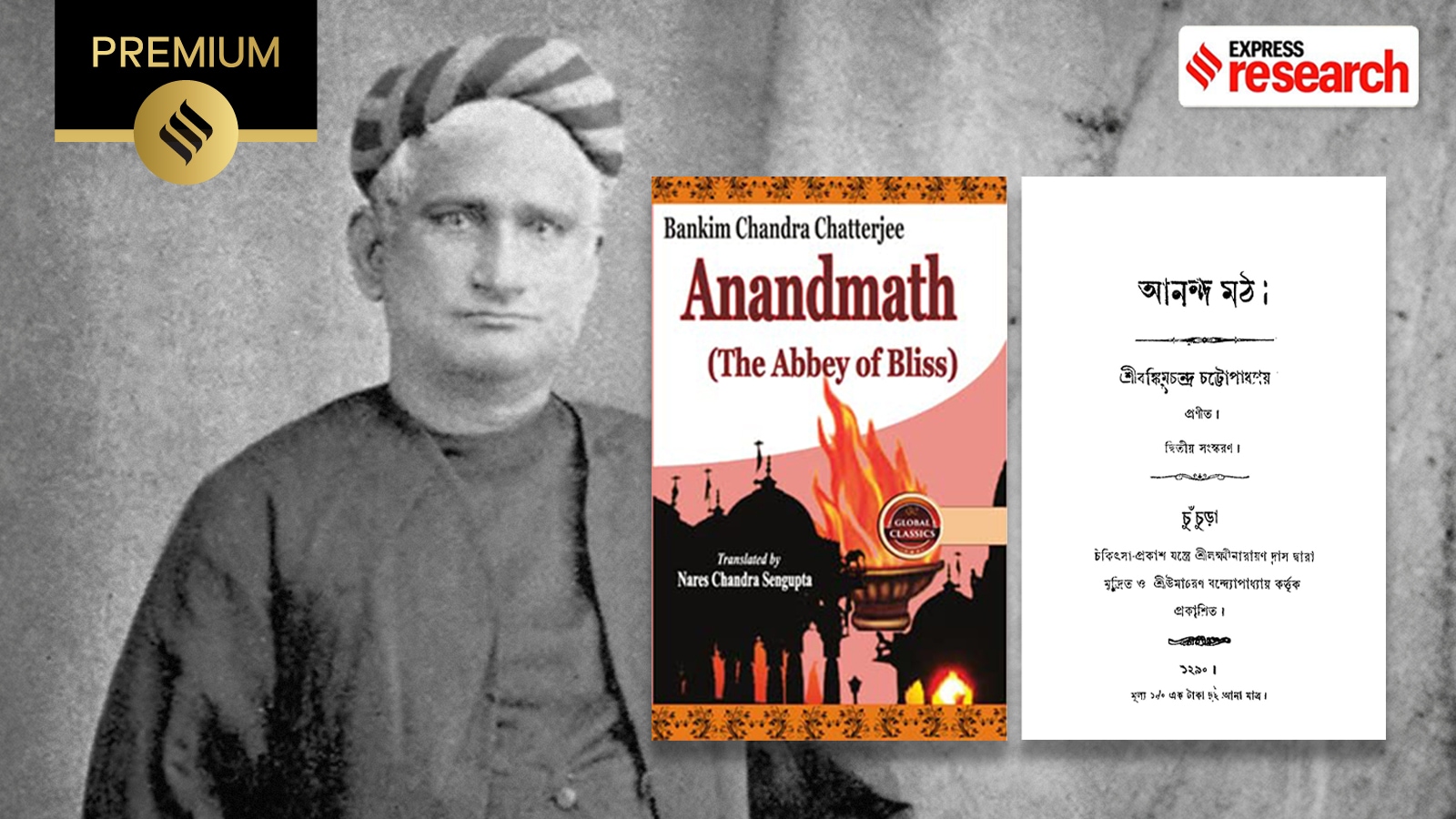
A resurgence of political controversy surrounds the song “Vande Mataram” and its source, Bankim Chandra Chattopadhyay’s novel “Anandamath” (1881-82). The novel, set against the backdrop of the Sanyasi Rebellion of the late 18th century, is considered by some scholars as India’s first political novel. The article explores the novel’s impact on Indian nationalism, its complex reception, and the enduring debates around its communal overtones. It examines the historical context of the novel, Bankim Chandra’s life and literary career, and the varied responses to “Anandamath” and “Vande Mataram” from nationalist leaders and critics.
Key Points:
- “Anandamath” is regarded by some as India’s first political novel, set against the Sanyasi Rebellion.
- Bankim Chandra Chattopadhyay was a prominent figure in the emerging English-educated middle class in 19th-century India.
- “Vande Mataram,” composed before the novel, was later incorporated into “Anandamath.”
- The novel sparked renewed interest in Indian history and played a crucial role in the rise of nationalism in Bengal.
- The novel depicts the Sanyasi Rebellion against the Nawab of Bengal and the East India Company.
- Criticism of “Anandamath” focuses on its portrayal of Muslims and its alleged communal overtones.
- Nationalist leaders had varied responses, with some, like Sri Aurobindo, considering it foundational, while others, like Mahatma Gandhi, expressed reservations about its communal aspects.
- Scholars note Bankim Chandra’s evolving political ideology from embracing European thought to advocating for a revived Hindu religion.
- Debates around “Anandamath” and “Vande Mataram” continue to persist, requiring historical contextualization.
Key Takeaways:
- “Anandamath” and “Vande Mataram” are deeply intertwined with the history of Indian nationalism and have been subject to varied interpretations and controversies.
- The novel reflects the socio-political context of 19th-century Bengal and the rise of nationalist sentiments.
- The communal overtones in “Anandamath” have been a point of contention, raising questions about its inclusivity and representation of different communities.
- The legacy of “Anandamath” and “Vande Mataram” remains complex, requiring a nuanced understanding of the historical, political, and social factors at play.
- Understanding the historical context is crucial to interpreting “Anandamath” and avoiding ahistorical readings.
 First Piper