
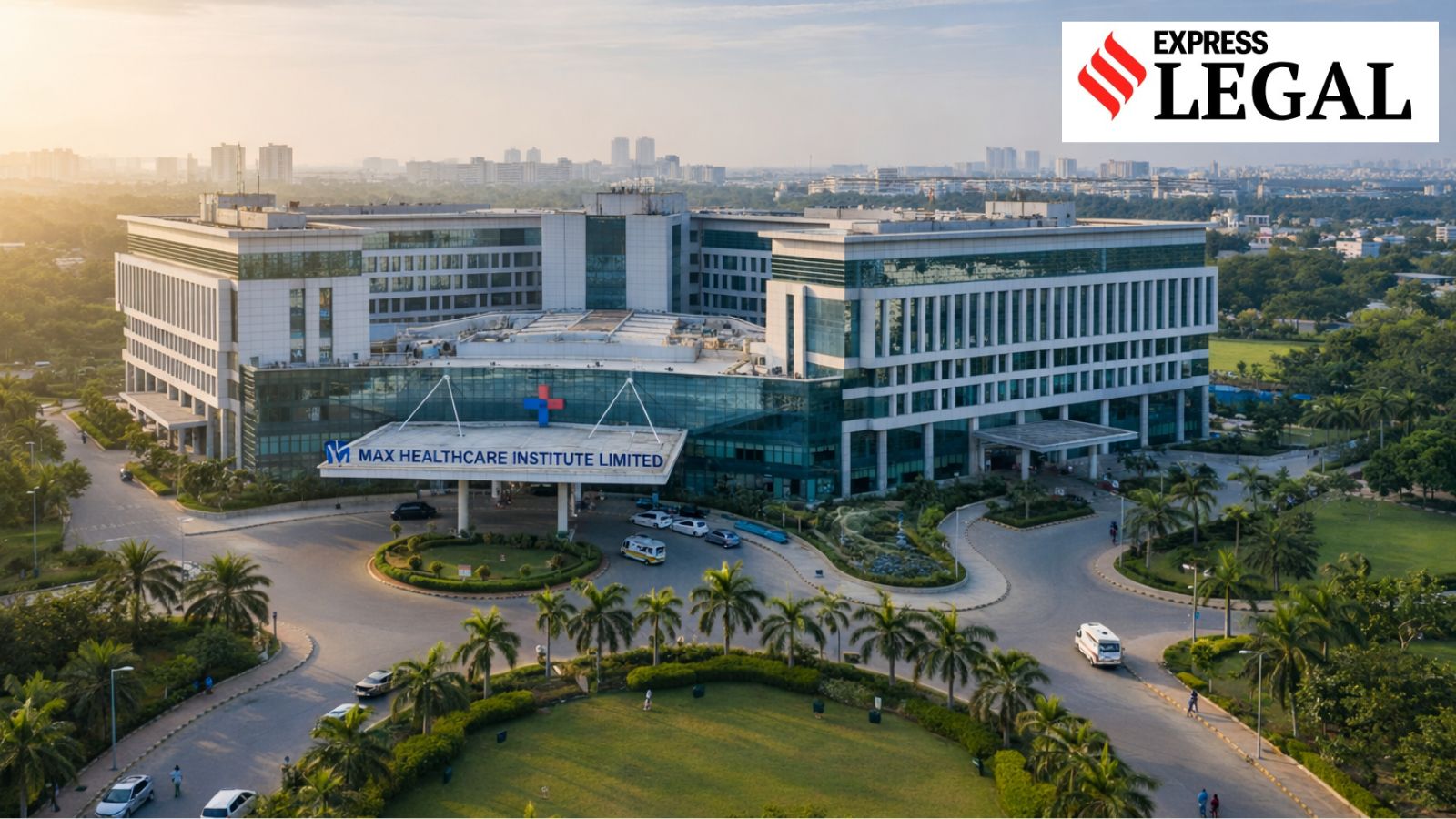
Mon Feb 23 11:12:01 UTC 2026: ### High Court Refuses Interim Protection to Max Healthcare in Negligence Case
The Story:
The Uttarakhand High Court has denied Max Healthcare Institute Limited interim protection from a Rs 10 lakh compensation order issued by the Uttarakhand Medical Council. The order stems from a medical negligence case. Justice Pankaj Purohit rejected the hospital’s appeal for interim relief, asserting that large hospitals cannot evade responsibility for negligence committed by doctors they employ.
The court emphasized on February 19, that hospitals engaging doctors for public treatment must be held accountable for negligence, signaling a shift in how hospital liability is viewed in India.
Key Points:
- Uttarakhand High Court refused interim protection to Max Healthcare.
- The case involves a Rs 10 lakh compensation order from the Uttarakhand Medical Council.
- The court stated that hospitals cannot distance themselves from the negligence of their employed doctors.
- Justice Pankaj Purohit presided over the case.
- The decision was made on February 19.
Critical Analysis:
The historical context provided does not suggest any deliberate strategic events.
Key Takeaways:
- The ruling potentially strengthens the accountability of hospitals for the actions of their medical staff.
- It could lead to increased scrutiny of hospital practices and doctor oversight.
- The decision may encourage patients to pursue legal action in cases of perceived medical negligence.
- Hospitals might need to re-evaluate their risk management strategies and insurance coverage.
- This ruling sets a precedent within Uttarakhand and could influence similar cases in other jurisdictions.
Impact Analysis:
This ruling could significantly impact the healthcare industry in India, specifically concerning hospital liability. In the long term, this decision could lead to:
- Increased insurance premiums for hospitals: Insurers may raise premiums to account for the heightened risk of negligence claims.
- Stricter hiring and monitoring practices: Hospitals may implement more rigorous vetting processes for doctors and enhance their oversight of medical procedures.
- A shift in the power dynamic between hospitals and doctors: Hospitals may exert greater control over doctors’ practices to mitigate the risk of negligence claims.
- Improved patient safety: The increased accountability could drive hospitals to prioritize patient safety measures and improve the quality of care.
- Potential for higher healthcare costs: The increased costs associated with insurance, risk management, and improved patient safety measures could translate to higher healthcare costs for patients.
 First Piper