
Tue Feb 24 13:21:22 UTC 2026: # Karnataka Tobacco Farmers Face Price Crisis, Seek Government Intervention
The Story:
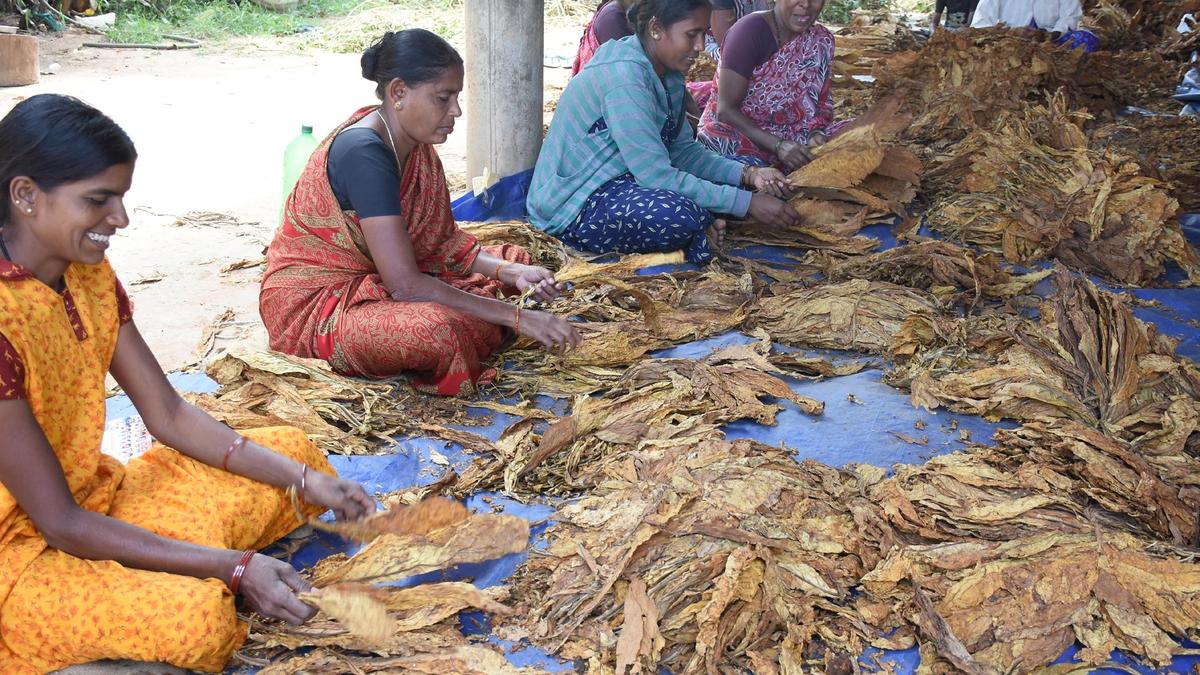
Tobacco farmers in Karnataka are facing a severe price crisis, with prices dropping by ₹50 to ₹70 per kg. Mysuru MP Yaduveer Krishnadatta Chamaraja Wadiyar has appealed to Union Minister for Commerce and Industry Piyush Goyal for immediate intervention. Farmers are demanding fair and remunerative prices for their produce, drawing comparisons to the higher prices fetched in Andhra Pradesh. The crisis is impacting thousands of farmers across several districts in Karnataka.
The situation is further complicated by procurement companies boycotting auctions following recent GST and excise duty changes. Farmers are also calling for the withdrawal of penalties on unauthorized growers, greater transparency in price fixation and export data, and support for those willing to transition to alternative crops.
Key Points:
- Tobacco prices in Karnataka have dropped by ₹50 to ₹70 per kg, leading to significant losses for farmers.
- Farmers are demanding uniform pricing on par with Andhra Pradesh, where high-grade tobacco fetches over ₹400 per kg.
- Production this year is estimated at 70 to 80 million kg, against a Tobacco Board-approved crop size of 100 million kg.
- Procurement companies boycotted auctions for nearly 15 days due to recent GST and excise duty changes.
- Around 53,000 authorized and nearly 20,000 unauthorized growers depend on tobacco cultivation for their livelihood.
- The letter to Piyush Goyal was dated February 23, 2026.
- The article was published on February 24, 2026.
Critical Analysis:
The tobacco price crisis in Karnataka highlights the vulnerability of farmers to market fluctuations and policy changes. The disparity in prices between Karnataka and Andhra Pradesh suggests regional imbalances in procurement and pricing mechanisms. The boycott by procurement companies indicates a potential breakdown in communication and coordination between the government, companies, and farmers. The unauthorized growers are particularly vulnerable, lacking the protections afforded to authorized cultivators.
Key Takeaways:
- The Karnataka tobacco industry is facing a significant crisis due to falling prices.
- Government intervention is crucial to stabilize prices and protect farmers’ livelihoods.
- Greater transparency and coordination are needed in price fixation and procurement processes.
- Support for farmers transitioning to alternative crops is essential for long-term sustainability.
- GST and excise duty changes can have significant unintended consequences on agricultural markets.
Impact Analysis:
The tobacco price crisis has the potential to significantly impact the livelihoods of thousands of farmers and their families in Karnataka. If the government does not intervene effectively, it could lead to increased rural poverty, social unrest, and migration. The crisis also underscores the need for a comprehensive agricultural policy that promotes diversification, sustainable farming practices, and market access for farmers. The long-term impact could include a decline in tobacco production in Karnataka and a shift towards alternative crops, provided adequate support and incentives are offered to farmers.
 First Piper