
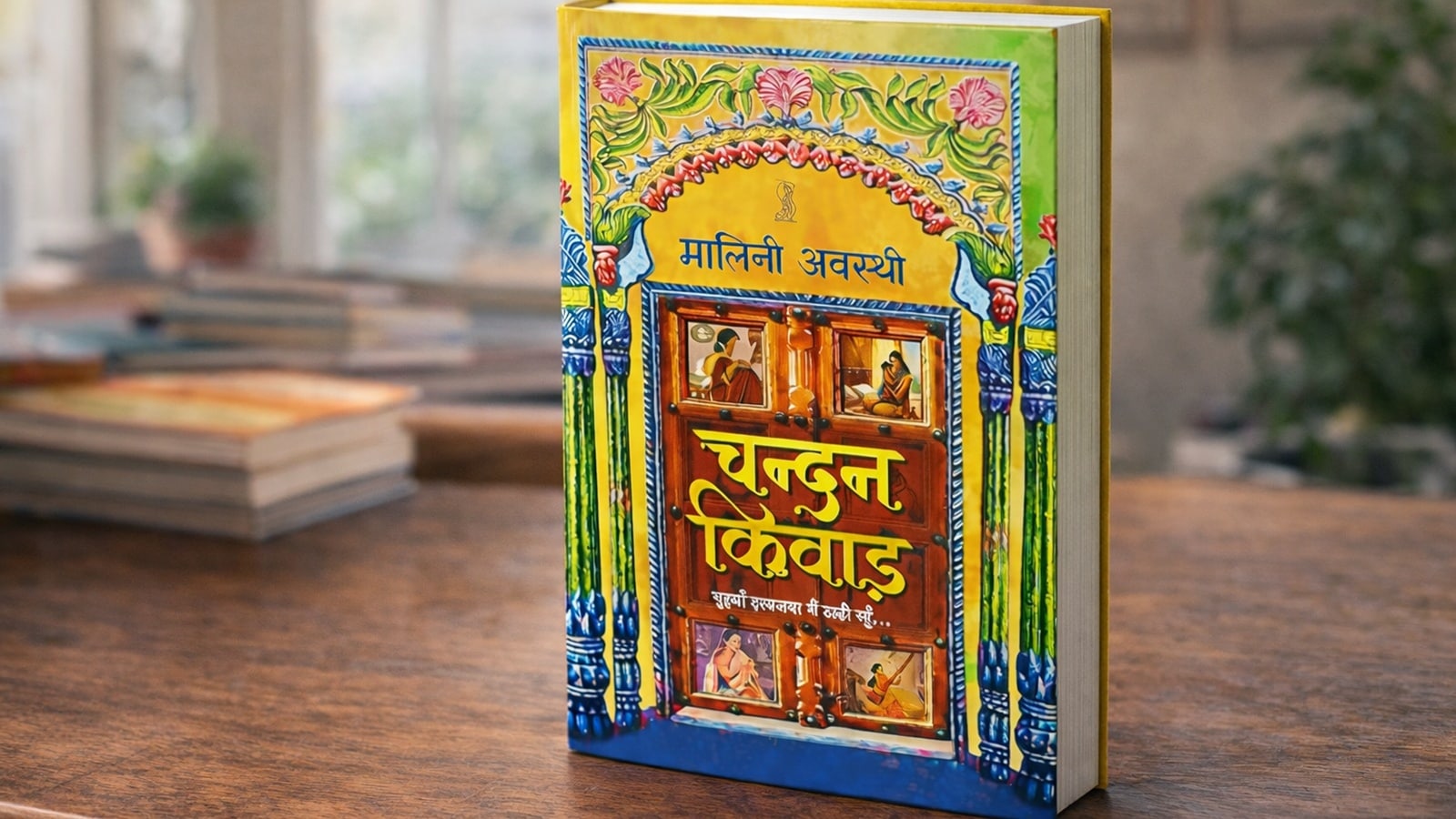
Mon Feb 23 15:04:52 UTC 2026: ### Malini Awasthi’s “Chandan Kiwad”: A Journey into Folk Music and Memory
The Story:
Ashutosh Kumar Thakur reviews Malini Awasthi’s autobiography, “Chandan Kiwad,” highlighting its unique approach to folk music. Unlike a conventional biography, the book delves into the collective consciousness behind the songs, exploring the stories, struggles, and silences of women encoded in folk lyrics. Awasthi, a celebrated folk singer, uses the book to illuminate the cultural meanings and emotional depth of folk traditions, emphasizing their continuity and relevance in contemporary society.
Key Points:
* Malini Awasthi is a renowned Indian folk singer known for her renditions of Thumri, Kajri, Chaiti, Sohar, and Birha.
* “Chandan Kiwad” is not a typical autobiography but a narrative exploring the collective consciousness within folk music.
* The book unveils the stories behind the songs, focusing on the experiences and struggles of women.
* Awasthi emphasizes that folk music is not merely a profession but an integral part of her being and a dialogue with ancestors.
* The review highlights Awasthi’s ability to preserve the essence of folk traditions while performing on national and international stages.
* The book discusses the ethical complexity within folk consciousness, as seen in songs like “Chhapak ped chhiyuliya.”
* Awasthi’s literary and artistic voice is rooted in the Hindustani music tradition, blending folk tenderness with classical rigor.
* The book portrays the lives of women like Danno Bua Damayanti and Chhunnee, highlighting their contributions and struggles.
* “Chandan Kiwad” is described as a “fragrant ledger of memory,” recording a life lived in music and music lived as memory.
Key Takeaways:
* “Chandan Kiwad” offers a profound exploration of folk music as a repository of cultural memory and lived experiences.
* Malini Awasthi bridges the gap between folk and classical music, preserving the authenticity of folk traditions while showcasing her classical training.
* The book sheds light on the often-unheard voices of women within folk traditions, restoring them to narrative visibility.
* Folk music is portrayed as a living tradition that adapts and evolves while retaining its emotional core.
* Awasthi’s work emphasizes the importance of cultural continuity and the role of music in anchoring identity across generations and geographies.
 First Piper