
Mon Feb 23 22:28:23 UTC 2026: # Air Ambulance Crash in Jharkhand Claims Seven Lives
The Story:
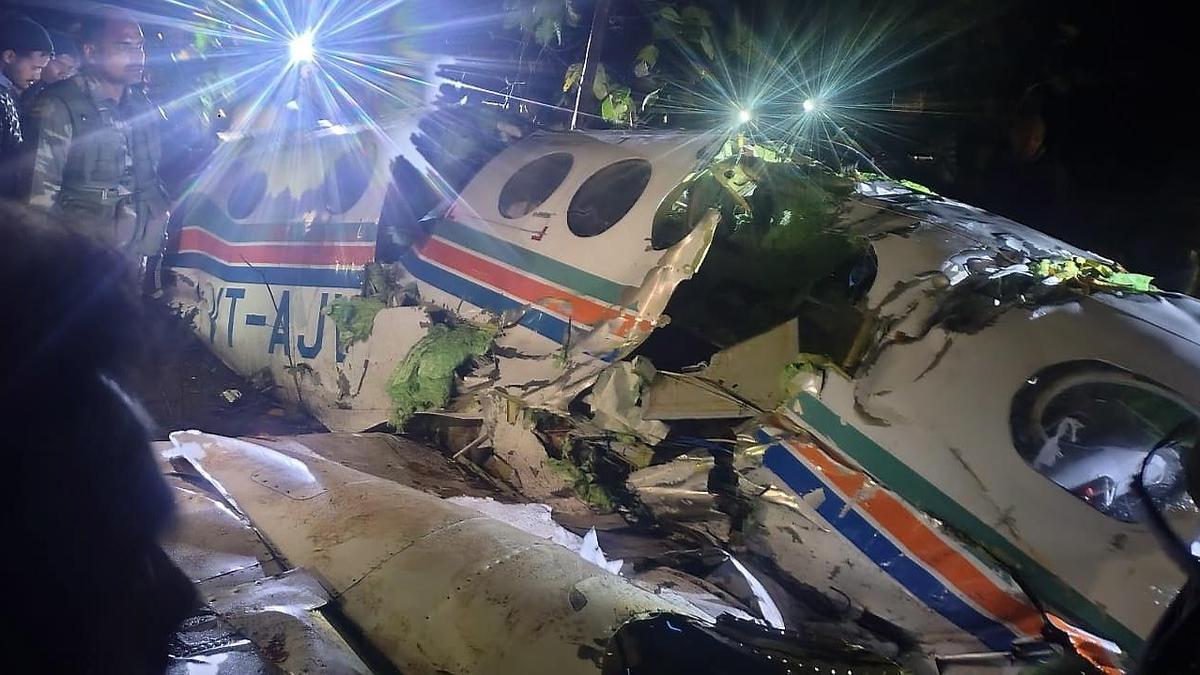
A Redbird Airways air ambulance crashed in the Chatra district of Jharkhand on Monday, February 23, 2026, killing all seven people on board. The Beechcraft C90 aircraft, operating a medical evacuation flight from Ranchi to Delhi, went down shortly after takeoff. The incident occurred at approximately 7:30 p.m. IST in a forested area near Simaria. Authorities have retrieved the bodies of the deceased, and an investigation into the cause of the crash is underway. Inclement weather is being considered as a possible contributing factor.
Key Points:
- The crash occurred on February 23, 2026, near Simaria in Chatra district, Jharkhand.
- The aircraft was a Redbird Airways Pvt Ltd Beechcraft C90 (VT-AJV) operating a medical evacuation flight from Ranchi to Delhi.
- All seven people on board, including two pilots and a patient with burn injuries, were killed.
- The deceased have been identified as Captain Vivek Vikas Bhagat, Captain Savrajdeep Singh, Sanjay Kumar, Dr Vikas Kumar Gupta, Sachin Kumar Mishra, Archana Devi, and Dhuru Kumar.
- The aircraft lost contact with air traffic control approximately 20 minutes after takeoff.
- Inclement weather is being considered as a potential cause of the crash.
- An Aircraft Accident Investigation Bureau (AAIB) team has been dispatched to investigate.
- Redbird Airways has six aircraft in its fleet, according to the DGCA website.
Key Takeaways:
- This incident highlights the risks associated with air ambulance operations, particularly in challenging weather conditions.
- The crash underscores the need for thorough investigations into aviation accidents to determine the root causes and prevent future occurrences.
- The loss of life is a tragedy for the families of the deceased and the communities they served.
Impact Analysis:
This air ambulance crash is likely to lead to increased scrutiny of safety protocols for medical evacuation flights in India. The AAIB investigation will be critical in identifying any systemic issues that need to be addressed. Potential future impacts could include:
- Stricter regulations: The DGCA may implement more stringent regulations for air ambulance operations, including weather-related restrictions and maintenance requirements.
- Enhanced training: Pilot training programs may be revised to emphasize skills for flying in adverse weather conditions and managing emergency situations.
- Infrastructure improvements: Airports and air traffic control systems may be upgraded to improve communication and radar coverage, particularly in remote areas.
- Increased insurance costs: Air ambulance operators may face higher insurance premiums due to the increased risk profile.
 First Piper