
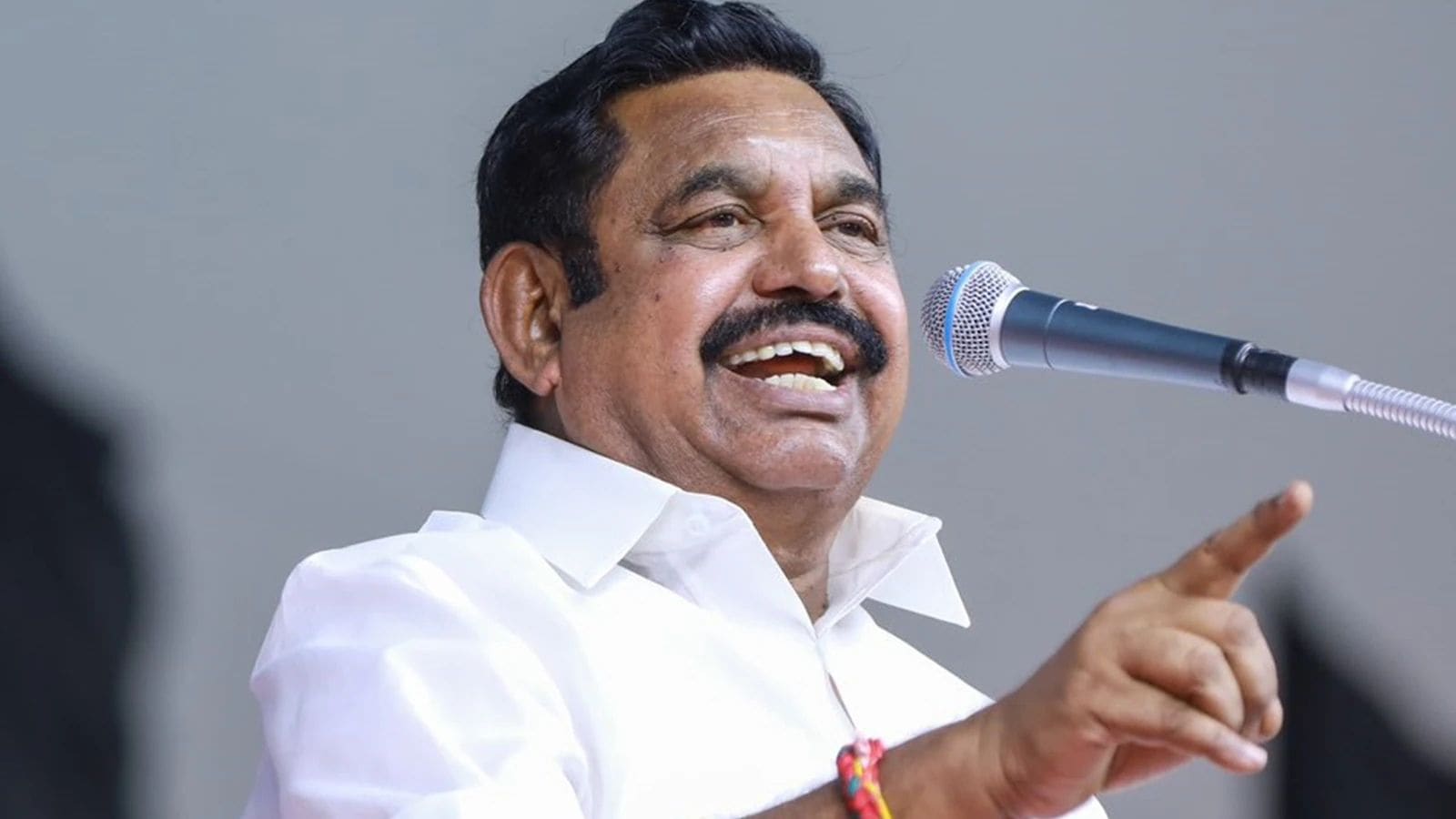
Tue Feb 24 11:08:10 UTC 2026: Headline: AIADMK’s Palaniswami Promises Rs 10,000 to Every Household in Tamil Nadu Ahead of Elections
The Story:
Edappadi K. Palaniswami, the General Secretary of the AIADMK and former Chief Minister of Tamil Nadu, has announced a comprehensive set of welfare promises, highlighted by a one-time payment of Rs 10,000 to every household in the state. This announcement, framed as relief from rising property tax, house tax, and electricity charges under the current DMK government, is part of the AIADMK’s third phase of election assurances, promoted under the banners #EdappadiyarPromises and #EPSfor2026. Palaniswami also pledged stipends for unemployed youth and increased financial assistance for fishermen during the fishing ban period.
The welfare package extends beyond the household payment, including monthly stipends of Rs 2,000 for graduates registered with employment exchanges and Rs 1,000 for those educated up to Plus Two. Coastal communities were promised an increase in fishing ban-period relief from Rs 8,000 to Rs 12,000. Furthermore, the party proposed expanding free electricity benefits for weavers and waiving cooperative bank loans for roadside vendors.
Key Points:
* Rs 10,000 one-time payment promised to every household in Tamil Nadu.
* Announced as relief from rising taxes and utility charges under the DMK government.
* Monthly stipend of Rs 2,000 for unemployed graduates and Rs 1,000 for those educated up to Plus Two.
* Increase in fishing ban-period relief from Rs 8,000 to Rs 12,000.
* Expanded free electricity benefits for weavers and waiver of cooperative bank loans for roadside vendors.
* Additional Rs 1,000 cash gift to families along with the customary Pongal hamper.
Critical Analysis:
The AIADMK’s announcement of welfare promises, specifically the Rs 10,000 payment to every household, aligns with their previous strategy of offering financial assistance during key festivals like Pongal, as evidenced by the news articles from February 24, 2026, which mention a promise of Rs 1,000 to ration cardholders during Pongal. This suggests a consistent approach of using direct financial incentives to appeal to voters, particularly during festive seasons, to gain electoral advantage.
Key Takeaways:
* The AIADMK is employing a strategy of direct financial assistance to households as a key component of its election campaign.
* The announcement is timed to address concerns about rising taxes and utility costs under the current DMK government.
* The welfare package targets various demographics, including unemployed youth, fishermen, weavers, and small traders, indicating a broad appeal strategy.
* The AIADMK is attempting to position itself as a champion of the economically disadvantaged.
* This strategy builds on past promises of financial assistance during festivals, indicating a consistent approach to voter engagement.
Impact Analysis:
The AIADMK’s promises have the potential to significantly influence voter behavior in the upcoming elections. The direct financial incentives, particularly the Rs 10,000 household payment, could sway voters facing economic hardship. However, the long-term impact will depend on the AIADMK’s ability to effectively communicate these promises and convince voters of their feasibility and commitment to implementation. The DMK’s response to these promises will also be crucial in determining the overall impact on the electoral landscape.
 First Piper