
Mon Feb 23 13:45:16 UTC 2026: Headline: Bangladesh President Shahabuddin Accuses Nobel Laureate Yunus of Constitutional Violations During Interim Government Rule
The Story:
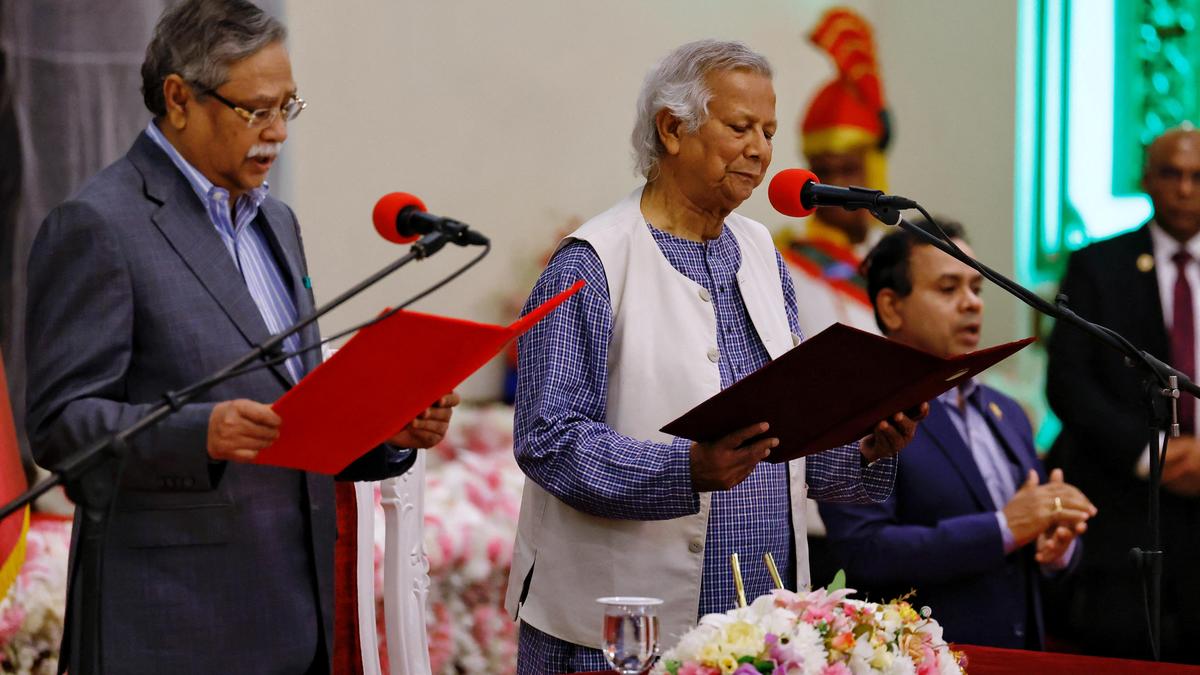
In a scathing interview published on February 23, 2026, Bangladesh President Mohammed Shahabuddin accused Muhammad Yunus, who led the interim government from August 2024 until the February 2026 elections, of violating the constitution and undermining his authority. Shahabuddin claims that Yunus, a Nobel laureate, failed to brief him on crucial decisions, including a trade agreement with the United States, and deliberately sidelined him during his 18-month tenure. The President alleges conspiracies to depose him and expresses his disappointment with Yunus’s lack of coordination and communication.
Key Points:
- President Shahabuddin accuses Muhammad Yunus of not adhering to the constitution during his time as head of the interim government.
- Yunus allegedly failed to brief the President on key decisions, including a trade agreement with the United States.
- The President claims there were attempts to “destroy the law and order situation” and create a constitutional crisis during Yunus’s administration.
- Shahabuddin alleges Yunus did not consult him on foreign trips or keep him informed about discussions held overseas.
- He accuses the Yunus administration of preventing him from traveling abroad and attending events within Bangladesh.
- The President claims portraits of the President were removed from Bangladesh consulates and high commissions worldwide under Yunus’s leadership.
- Tarique Rahman, a leader of the Bangladesh National Party (BNP), and the armed forces are credited with supporting Shahabuddin during the alleged crisis.
Critical Analysis:
The historical context reveals a recent US Supreme Court Order regarding the end of tariffs, which are mentioned as one of the things Yunus did not brief Shahabuddin on. This timeline indicates that the US-Bangladesh trade deal, shrouded in secrecy, may have been influenced by these changing trade dynamics, making it a point of contention between the President and the interim leader.
Key Takeaways:
- The relationship between the President and the head of the interim government was severely strained.
- The allegations raise serious questions about the transparency and legitimacy of the interim government’s actions.
- The involvement of the BNP and the armed forces suggests a potential power struggle and political maneuvering within Bangladesh.
- The accusations could damage the reputation of Muhammad Yunus, a Nobel laureate.
- This event highlights the fragility of political transitions and the potential for conflict, even within interim administrations.
Impact Analysis:
The accusations made by President Shahabuddin against Muhammad Yunus have significant long-term implications for Bangladesh:
- Political Instability: The public airing of these grievances could further polarize Bangladeshi politics, potentially leading to social unrest and instability. The fact that the BNP leader stood by the President during the alleged crisis indicates that the situation is highly politicized.
- International Relations: Accusations surrounding the US-Bangladesh trade agreement could strain relations with the United States, especially if the agreement is perceived as having been negotiated without proper transparency or adherence to constitutional protocols.
- Economic Impact: Uncertainty regarding the US-Bangladesh trade agreement could negatively impact the Bangladeshi economy, especially if the agreement is reviewed or renegotiated as a result of these allegations.
- Reputational Damage: The accusations against Muhammad Yunus, a Nobel laureate, could tarnish Bangladesh’s international reputation and damage its standing in the global community.
- Constitutional Review: The situation may prompt a review of the constitutional provisions governing interim governments to ensure greater transparency, accountability, and coordination between the President and the chief advisor.
 First Piper