
Mon Feb 23 05:54:24 UTC 2026: # Delhi’s Women-Only Parks: A Crumbling Sanctuary?
The Story:
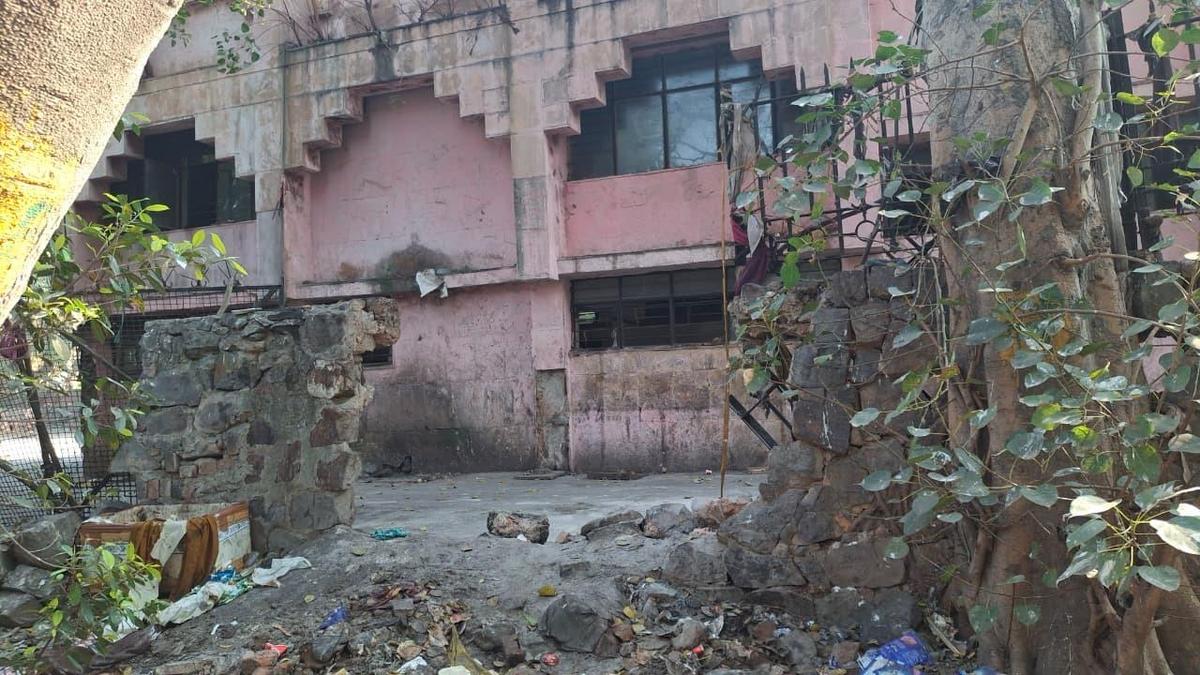
In Delhi, where safe public spaces for women are scarce, “Mahila Parks” offer a vital refuge, though many suffer from neglect and lack of security. Despite promises of improvement and dedicated funding, many of these parks are in disrepair, with broken facilities and a shortage of caretakers. Women like Vidya Devi and Durga Devi, rely on these parks for companionship and relaxation, highlighting their social importance. However, issues like damaged boundary walls and lack of security, as evidenced in Purdah Bagh, compromise the safety and intended exclusivity of these spaces.
Key Points:
- There are 23 women-only parks across 18 municipal wards in Delhi, according to the Municipal Corporation of Delhi (MCD).
- The MCD plans to allocate ₹2 crore in the coming financial year for these parks, with ₹5 lakh earmarked for the maintenance of each park.
- A 2023 proposal by the Aam Aadmi Party to identify “pink parks” in all 250 wards, promising toilets, CCTV cameras, and gym facilities, remains largely unfulfilled.
- Purdah Bagh, a historical women’s park, suffers from a damaged boundary wall, lack of security guards, and the presence of stray dogs.
- The horticulture department faces a severe manpower crunch, with over one-third of caretaker posts vacant, affecting park maintenance.
- Public participation is encouraged, with the MCD offering ₹13,500 per month to NGOs or RWAs that manage a park, while the Delhi government gives ₹16,000.
Critical Analysis:
The historical context provided doesn’t directly influence the events surrounding the state of the Delhi women’s park.
Key Takeaways:
- Women-only parks in Delhi are essential spaces for women’s social interaction and relaxation, but they are often poorly maintained.
- Despite allocated funding and proposed initiatives, improvements to these parks are slow and often unfulfilled.
- Manpower shortages and lack of security compromise the safety and intended exclusivity of the parks.
- Public participation is seen as a potential solution to improve park maintenance.
- The situation highlights a disconnect between stated priorities and actual implementation regarding women’s safety and public spaces in Delhi.
Impact Analysis:
- The continued neglect of women-only parks could lead to a decline in their usage and a loss of safe public spaces for women in Delhi.
- The unfulfilled promises of the “pink parks” initiative could erode public trust in the government’s commitment to women’s welfare.
- The lack of security and maintenance in these parks could increase the risk of incidents and further discourage women from using them.
- If public participation initiatives are successful, they could serve as a model for improving other public spaces in the city.
- The situation underscores the need for greater accountability and transparency in the allocation and utilization of funds for public amenities.
 First Piper