
Mon Feb 23 13:26:34 UTC 2026: ### Headline: Mullaperiyar and Vaigai Dam Levels Reported Amidst Drinking Water Concerns in Tamil Nadu
The Story:
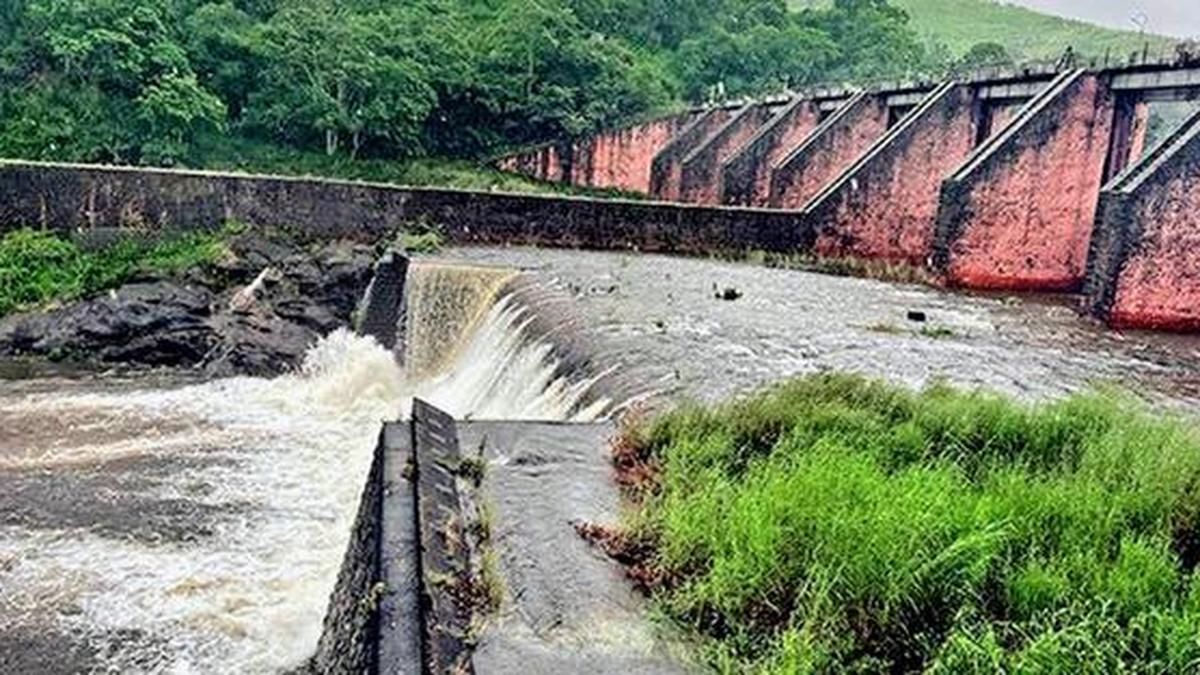
On February 23, 2026, The Hindu reported the water levels in the Mullaperiyar and Vaigai dams. The Mullaperiyar dam’s water level stood at 117.60 feet (maximum permissible level 142 ft) with an inflow of 89 cusecs and a discharge of 467 cusecs. The Vaigai dam’s level was at 42.36 ft (maximum level 71 ft) with an inflow of 250 cusecs and a discharge of 969 cusecs. The combined storage in Periyar credit was 3,029.38 mcft. Rainfall recorded in the 24 hours ending at 6 a.m. on Monday was minimal, with Elumalai recording 16.4 mm, Sothupparai dam 1 mm, and Vaigai dam 0.2 mm.
Key Points:
- Mullaperiyar Dam level: 117.60 feet (max 142 ft), inflow 89 cusecs, discharge 467 cusecs.
- Vaigai Dam level: 42.36 ft (max 71 ft), inflow 250 cusecs, discharge 969 cusecs.
- Combined storage in Periyar credit: 3,029.38 mcft.
- Minimal rainfall recorded across the region in the preceding 24 hours.
Critical Analysis:
The context reveals a concerning pattern. While the dam levels are reported, other news items from the same day highlight issues with drinking water supply in various parts of Tamil Nadu, including allegations of irregularities in ward-level maintenance in AIADMK councils and demands for regular supply in Erode villages. The high discharge from the Vaigai dam (969 cusecs) compared to its low inflow (250 cusecs) suggests a deliberate release of water, potentially to address immediate drinking water needs downstream. The low rainfall further exacerbates the situation, making efficient water management crucial.
Key Takeaways:
- Dam levels, while within permissible limits, are being actively managed.
- Drinking water supply remains a significant concern across Tamil Nadu.
- The high discharge from the Vaigai dam indicates potential efforts to alleviate water scarcity.
- Minimal rainfall underscores the need for sustainable water management strategies.
Impact Analysis:
The situation highlights the ongoing challenges of water resource management in Tamil Nadu. The immediate impact is the potential strain on water resources to meet drinking water demands. Long-term, this event series underscores the need for:
* Improved infrastructure for water distribution to reduce irregularities and ensure equitable access.
* Comprehensive water conservation strategies to mitigate the impact of low rainfall periods.
* Transparent and accountable water management practices to address allegations of irregularities and build public trust.
* Investments in alternative water sources and water harvesting techniques to enhance water security.
 First Piper