
Mon Feb 23 12:56:38 UTC 2026: Okay, I’m ready to analyze these news articles and provide critical reasoning for the unfolding events. I’ll focus on identifying the key issues, connecting them to past events, and explaining the potential implications.
Analysis of India-US Trade Talks Delay
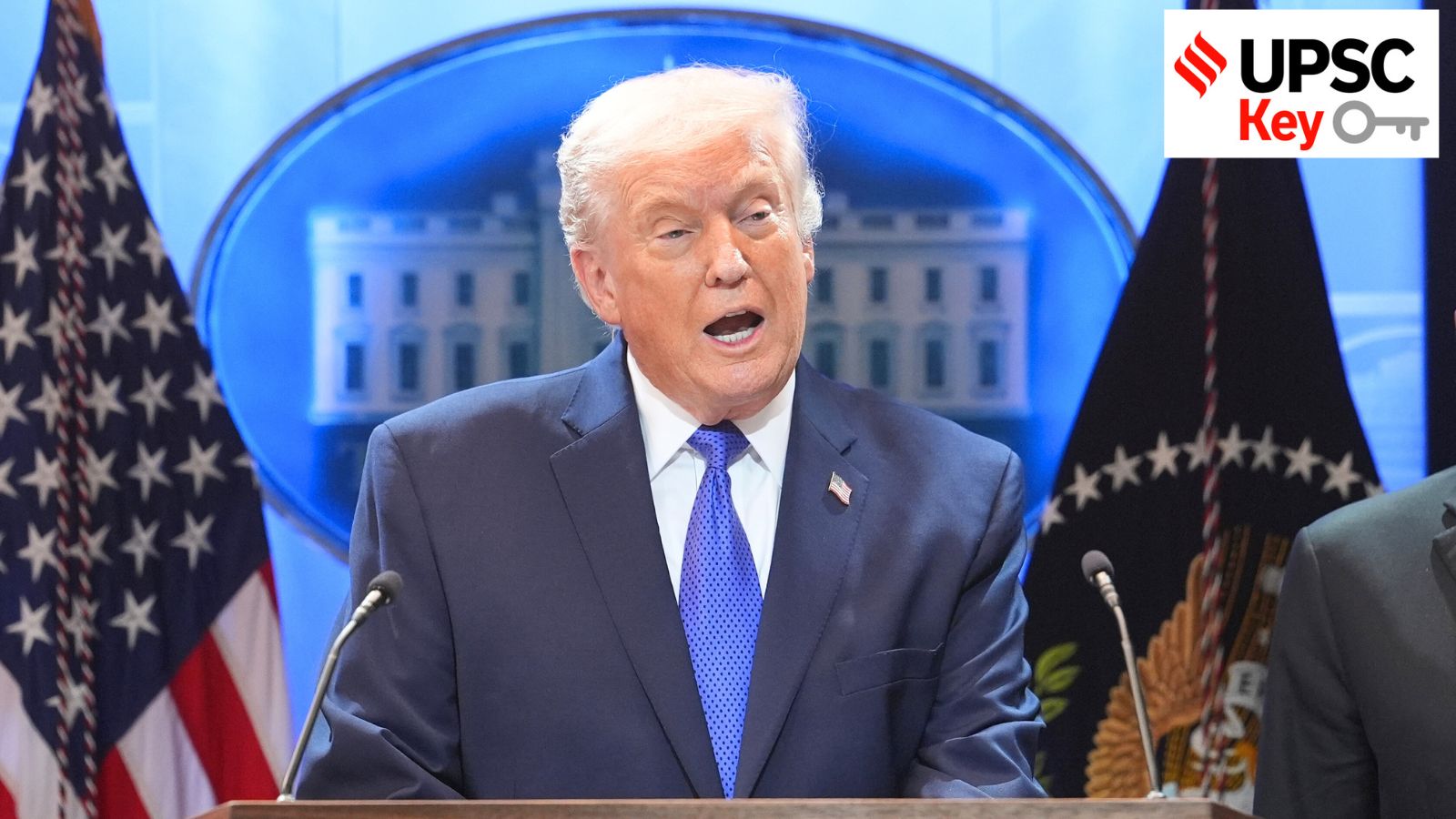
- Key Issue: The postponement of India-US trade talks following a US Supreme Court ruling against President Trump’s use of the International Emergency Economic Powers Act (IEEPA) to impose tariffs. Trump then switched to Section 122 of the Trade Act of 1974 to impose new tariffs.
-
Historical Context & Critical Reasoning:
- Trump’s Trade Policy: This situation is a direct consequence of President Trump’s protectionist trade policies, characterized by the use of tariffs as a negotiating tool. The historical context includes the trade war with China and other instances where Trump unilaterally imposed tariffs, often circumventing traditional trade mechanisms.
- IEEPA Overreach: The Supreme Court’s ruling highlights a check on executive power, specifically limiting the President’s ability to use emergency powers for trade purposes. This is significant because it challenges Trump’s approach of using tariffs as leverage without Congressional approval.
- Section 122 as a Workaround: Trump’s move to use Section 122 of the Trade Act of 1974 demonstrates his determination to continue his tariff-based strategy. However, this is a temporary measure (150 days), requiring Congressional approval for long-term implementation.
- Impact on India: The delay in trade talks creates uncertainty for India. While initially it might seem beneficial to avoid immediate market access concessions, the long-term implications are less clear. The potential for a trade deal, albeit unconventional, is now in question, and India may need to re-evaluate its negotiation strategy.
- WTO Implications: The article notes that Trump’s deals were unconventional and could fall outside WTO norms. This underscores a broader trend of questioning the relevance and effectiveness of the WTO in the face of unilateral trade actions.
- Economic impact on India: India has been facing a cumulative tariff of 50% into the US since August 2025 (reciprocal tariff plus additional tariffs for import of Russian oil). After the framework for a trade deal was agreed upon by both sides earlier this month, the rate currently being levied on Indian goods is 25%, given that the Russian oil penalty has been removed. This was further slated to come down to 18% — the ‘reciprocal tariff’ decided after the deal was to kick in.
- Potential Implications:
- Re-evaluation of Trade Agreements: Other countries may reconsider agreements negotiated under tariff pressure, as suggested by the Delhi-based trade think-tank GTRI.
- Focus on Targeted Concessions: India might shift its focus to negotiating targeted concessions for labor-intensive exports, aligning with potential agreements with the EU.
- Revival of Trade Multilateralism: The Supreme Court ruling could potentially lead to a renewed emphasis on rules-based global trade frameworks and a stronger WTO. However, this is an optimistic scenario, and the immediate future is likely to be turbulent.
- Geopolitical considerations: The article highlights that trade agreements also serve a diplomatic function, particularly in the context of the emerging economic Cold War.
- Congressional Approval: The need for Trump to seek Congressional approval for long-term tariffs could lead to political battles and potentially weaken his negotiating position.
Analysis of Pakistan-Afghanistan Border Strikes
- Key Issue: Pakistan’s military strikes along its border with Afghanistan, targeting alleged militant camps, and the subsequent condemnation from the Afghan government.
-
Historical Context & Critical Reasoning:
- **
 First Piper