
Sun Feb 22 16:49:45 UTC 2026: ### South Korea Protests Japan’s Claim to Disputed Islands
The Story:
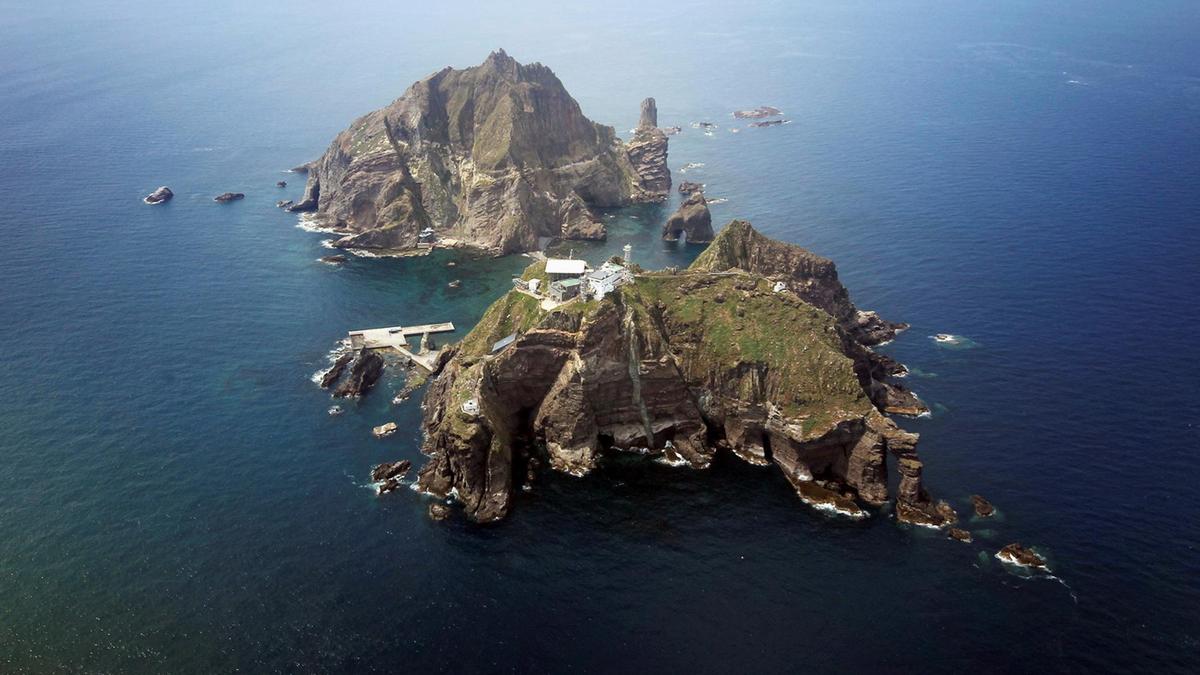
On February 22, 2026, South Korea lodged a strong protest against Japan’s annual “Takeshima Day” event, which commemorates Japan’s claim to a cluster of disputed islands known as Dokdo in Korean and Takeshima in Japanese. The protest included summoning a top Japanese diplomat to Seoul. The islands, currently controlled by South Korea, have long been a point of contention between the two nations, with tensions exacerbated by historical grievances stemming from Japan’s colonial rule over the Korean peninsula from 1910 to 1945.
Key Points:
- South Korea protested Japan’s “Takeshima Day” event held by Shimane prefecture.
- The protest included summoning a Japanese diplomat to the Foreign Ministry in Seoul.
- South Korea asserts that Dokdo is “clearly South Korea’s sovereign territory historically, geographically and under international law.”
- The disputed islands are believed to be located in fertile fishing grounds and may contain significant deposits of natural gas hydrate.
- Japan sent a Vice-Minister from the Cabinet Office to the ceremony.
Critical Analysis:
The event underscores the persistent tensions between South Korea and Japan, rooted in unresolved historical issues. Japan’s continued assertion of sovereignty over the islands, despite South Korea’s control and strong objections, suggests a calculated strategy to maintain its territorial claims, potentially influenced by the islands’ strategic location and potential resource wealth. South Korea’s equally firm stance demonstrates its determination to defend what it considers its sovereign territory, hinting at a long-term stalemate unless diplomatic breakthroughs occur.
Key Takeaways:
- The territorial dispute over the Dokdo/Takeshima islands remains a significant irritant in South Korea-Japan relations.
- Historical grievances continue to fuel contemporary geopolitical tensions in East Asia.
- The potential economic value of the islands, due to fishing grounds and natural gas deposits, adds another layer of complexity to the dispute.
- Both nations are firmly entrenched in their positions, making a resolution difficult to achieve.
Impact Analysis:
This ongoing dispute has the potential to further strain diplomatic relations between South Korea and Japan, impacting regional stability and cooperation. The issue could also be exploited by other actors in the region to advance their own geopolitical agendas. A failure to address this issue constructively could lead to increased militarization in the area and hinder efforts to promote peace and security in Northeast Asia.
 First Piper