
Mon Feb 23 10:29:24 UTC 2026: Headline: Andhra Pradesh Government Responds to Adulterated Milk Tragedy in Rajamahendravaram
The Story:
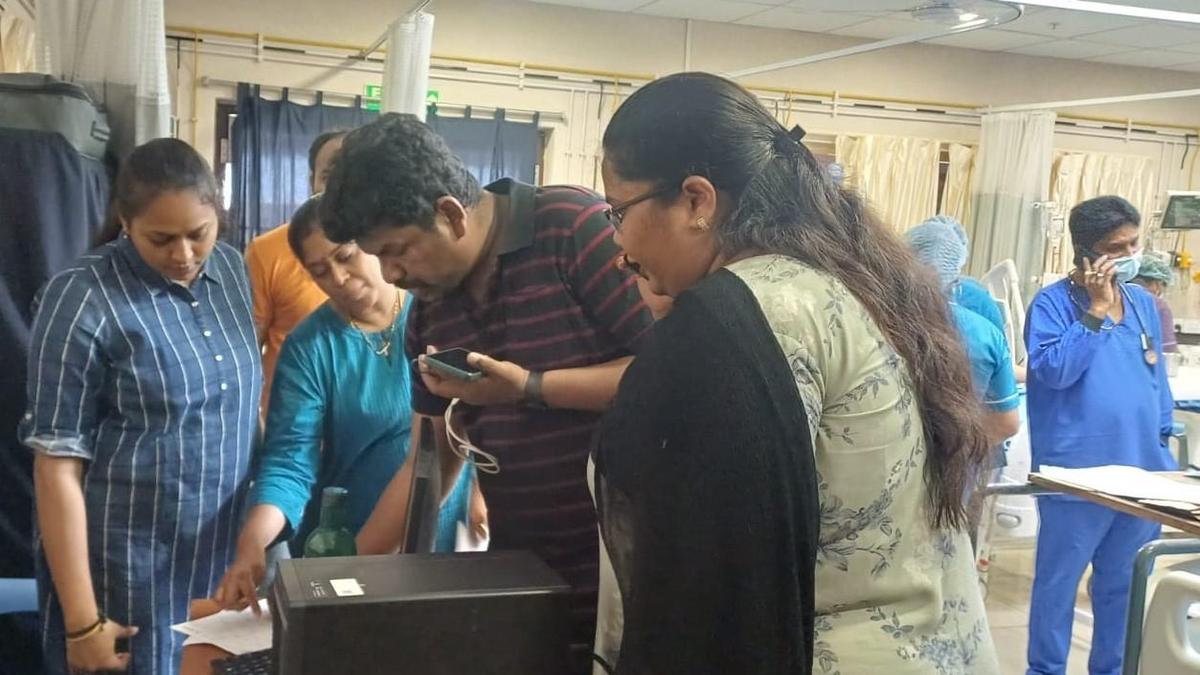
In a tragic incident in Rajamahendravaram, Andhra Pradesh, at least four people have died and several others are hospitalized after allegedly consuming adulterated milk. The incident, which occurred in the Choudeshwari Nagar and Swaroop Nagar areas, prompted a swift response from Chief Minister N. Chandrababu Naidu, who announced an ex-gratia of ₹10 lakh each to the families of the deceased. Preliminary inquiries point to Varalakshmi Milk Dairy as the source of the contaminated milk, leading to the arrest and questioning of the dairy operator, Addala Ganeswara Rao.
Key Points:
- Four deaths and several hospitalizations occurred due to suspected adulterated milk consumption in Rajamahendravaram.
- Chief Minister N. Chandrababu Naidu announced ₹10 lakh ex-gratia for the families of the deceased.
- Symptoms included vomiting, abdominal pain, and kidney-related complications.
- Varalakshmi Milk Dairy in Korukonda mandal’s Narasapuram village is suspected to be the source.
- Dairy operator Addala Ganeswara Rao is in custody.
- Samples have been sent to laboratories in Hyderabad and Visakhapatnam for analysis.
- The government has promised strict action against those found guilty of food adulteration.
Key Takeaways:
- Food adulteration remains a serious public health concern in Andhra Pradesh.
- The government’s response indicates a commitment to addressing such incidents swiftly and decisively.
- The incident highlights the need for stricter regulations and enforcement in the dairy industry.
- The advanced age of most of the deceased suggests increased vulnerability of elderly populations to foodborne illnesses.
- Rapid laboratory analysis and investigation are crucial for identifying the adulterant and preventing further harm.
Impact Analysis:
- Short-term: Increased scrutiny of milk suppliers and dairy farms in the Rajamahendravaram region. Potential temporary disruption of milk supply.
- Medium-term: Review and strengthening of food safety regulations and enforcement mechanisms. Increased public awareness about the risks of food adulteration.
- Long-term: Potential for policy changes aimed at preventing future incidents, including stricter licensing requirements, regular inspections, and harsher penalties for offenders. Could also lead to greater investment in food safety infrastructure and technology.
 First Piper