
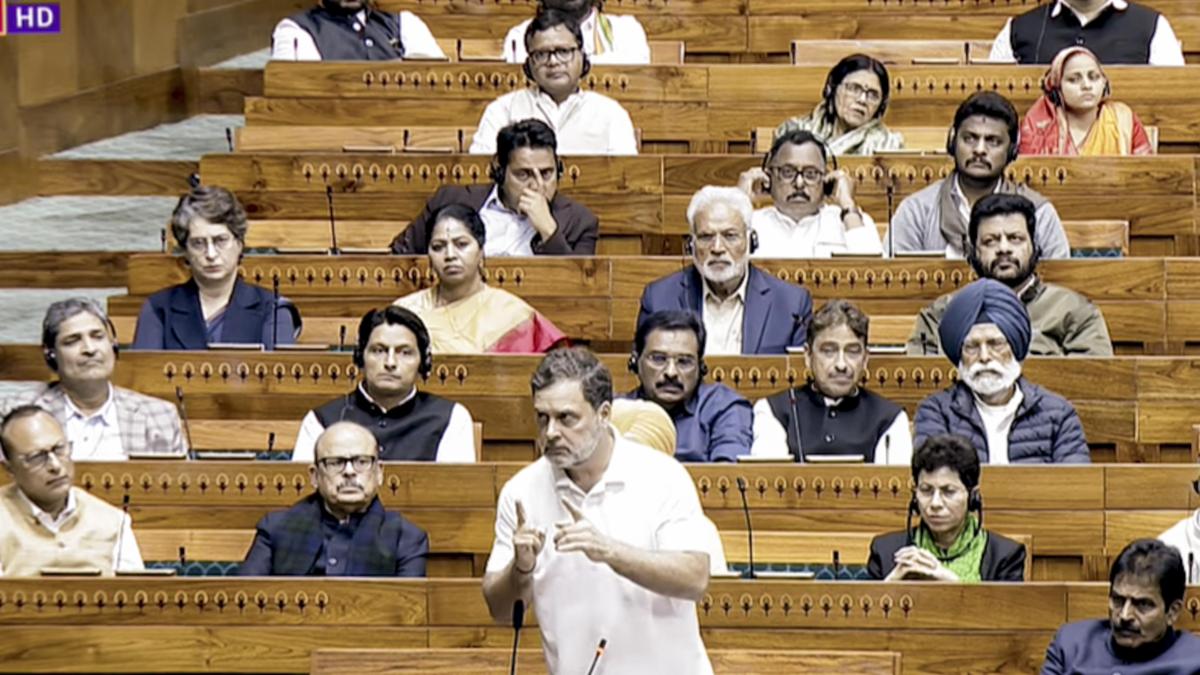
Mon Feb 23 06:56:18 UTC 2026: # Parliament’s Freedom of Speech Under Scrutiny Amidst Opposition Claims of Restrictions
The Story: Recent parliamentary proceedings in India have ignited a debate regarding the freedom of speech afforded to Members of Parliament (MPs), particularly those in the Opposition. Concerns have been raised that the application of parliamentary rules, specifically those concerning the expunction of remarks, may be infringing upon the constitutional rights guaranteed under Article 105. The Leader of the Opposition in the Rajya Sabha, Mallikarjun Kharge, has reportedly complained about the extensive removal of portions of his speeches, rendering them incoherent. A motion is also being considered to disqualify Rahul Gandhi for life.
Key Points:
- Article 105 of the Constitution guarantees freedom of speech in Parliament, subject to constitutional provisions and the rules of the Houses.
- The Supreme Court has emphasized that restrictions on rights should not eclipse the rights themselves.
- Rule 380 allows the Speaker to expunge unparliamentary, defamatory, indecent, or undignified words, but only the offending word, not entire sentences or paragraphs.
- The article highlights Jawaharlal Nehru’s practice of attending question hour and listening to Opposition speeches to ensure Parliament received accurate information and to understand different perspectives.
- There is a concern that the relationship between the government and the Opposition is deteriorating, with the potential stifling of dissenting voices.
- A motion is being considered to disqualify Rahul Gandhi for life.
Critical Analysis:
The article highlights a growing concern that the ruling party is misusing parliamentary rules to silence the opposition. The reference to Nehru’s practices underscores a historical precedent of valuing opposition voices as crucial for a functioning democracy. The mention of the motion to disqualify Rahul Gandhi suggests a deliberate attempt to weaken the opposition.
Key Takeaways:
- The freedom of speech in Parliament is a cornerstone of Indian democracy, but its interpretation and application are under contention.
- The balance between maintaining order in the House and protecting the rights of MPs is crucial.
- The relationship between the government and the Opposition is vital for a healthy parliamentary system.
- The expunction of remarks should be carefully considered to avoid stifling dissenting voices.
- Any attempts to disqualify members of the opposition should be viewed with scrutiny.
Impact Analysis:
The ongoing debate over freedom of speech in Parliament has significant long-term implications for Indian democracy. If the Opposition’s ability to voice concerns is curtailed, it could lead to a weakening of accountability and a decline in the quality of parliamentary debate. This could erode public trust in the democratic process and potentially lead to increased social and political unrest. The outcome of the motion to disqualify Rahul Gandhi will set a precedent for future interactions between the ruling party and the opposition.
 First Piper