
Mon Feb 23 15:10:08 UTC 2026: ### India Strengthens Global Parliamentary Ties Through Friendship Groups
The Story:
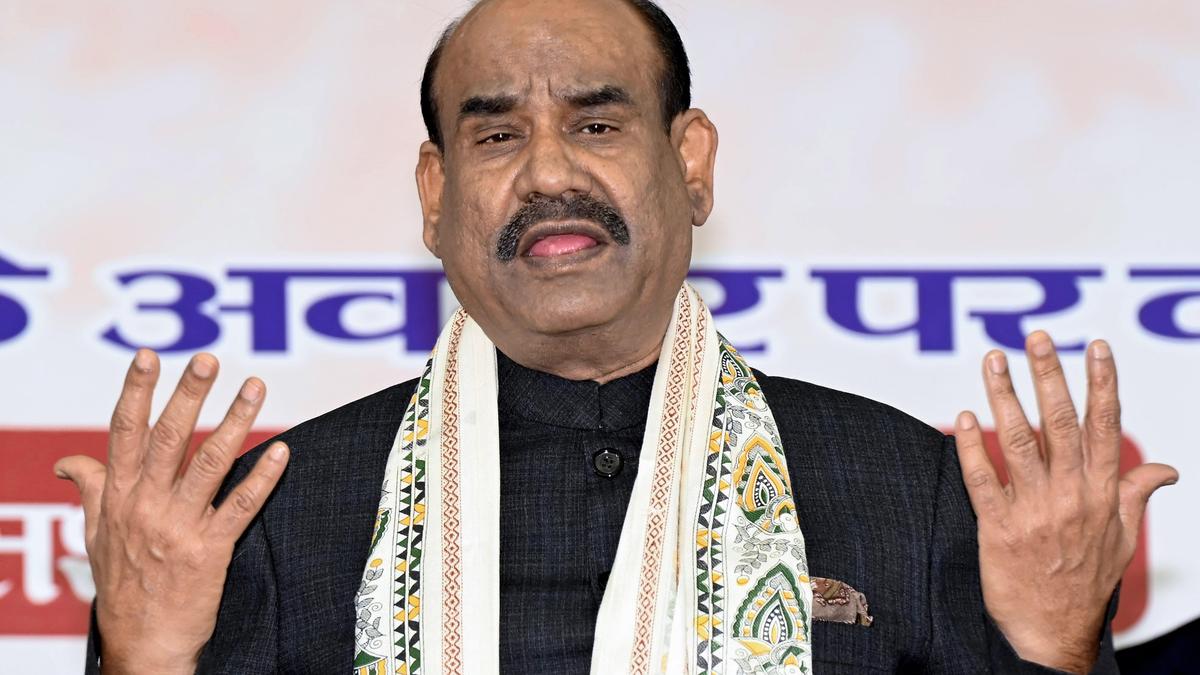
Lok Sabha Speaker Om Birla has established ‘Parliamentary Friendship Groups’ with over 60 countries, signaling a major initiative to deepen India’s parliamentary engagement worldwide. This move aims to foster inter-parliamentary cooperation and legislative dialogue. The groups comprise a wide range of political leaders from across the political spectrum, demonstrating a united front in promoting India’s interests on the global stage.
The initial phase will focus on engagements with countries including Sri Lanka, Germany, New Zealand, Switzerland, South Africa, Bhutan, Saudi Arabia, Israel, the Maldives, the U.S., Russia, members of the European Parliament, South Korea, Nepal, the U.K., France, Japan, Italy, Australia, Greece, Singapore, Brazil, Vietnam, Mexico, Iran, and the UAE. These groups will facilitate discussions on legislative practices, trade, technology, culture, and shared global challenges.
Key Points:
- Lok Sabha Speaker Om Birla formed ‘Parliamentary Friendship Groups’ with over 60 countries.
- The initiative aims to strengthen inter-parliamentary cooperation and legislative dialogue.
- Senior political leaders from various parties will lead these groups, including Ravi Shankar Prasad, P. Chidambaram, Asaduddin Owaisi, and Shashi Tharoor.
- The first phase includes engagement with countries such as the U.S., Russia, UK, France, Japan, and Australia.
- The groups will facilitate dialogue on trade, technology, culture, and shared global challenges.
- The initiative builds on the post-Operation Sindoor outreach.
Critical Analysis:
The formation of these Parliamentary Friendship Groups, following the “post-Operation Sindoor outreach,” suggests a deliberate strategy to present a unified Indian front on issues of national interest internationally. The inclusion of leaders from diverse political backgrounds highlights an attempt to build consensus and project an image of national unity on the global stage. The timing of this initiative, coupled with the ongoing Rajya Sabha elections and internal political maneuvering (as indicated in the related historical context regarding Bihar Rajya Sabha polls and Congress MLA resignation), suggests a desire to reinforce India’s position and influence amid domestic political dynamics.
Key Takeaways:
- India is actively pursuing a strategy of enhanced parliamentary diplomacy.
- The initiative reflects a desire to project a unified national image on the global stage, transcending domestic political differences.
- The focus on trade, technology, and culture underscores India’s priorities in its international engagements.
- The move could potentially strengthen India’s relationships with key partner countries.
- The initiative could be partly motivated by the need to solidify India’s global standing amidst internal political dynamics.
Impact Analysis:
This initiative has the potential for significant long-term impact on India’s foreign relations. By fostering closer ties between parliamentarians, India can build stronger relationships with other countries, leading to increased cooperation on trade, technology, and other areas of mutual interest. The exchange of legislative practices can also help India improve its own governance and policymaking. Furthermore, the unified front presented by the diverse group of political leaders can enhance India’s credibility and influence in international forums.
 First Piper