
Mon Feb 23 05:20:14 UTC 2026: ### Modi’s Overt Pro-Israel Policy Undermines India’s Moral Standing Amidst Gaza War
The Story:
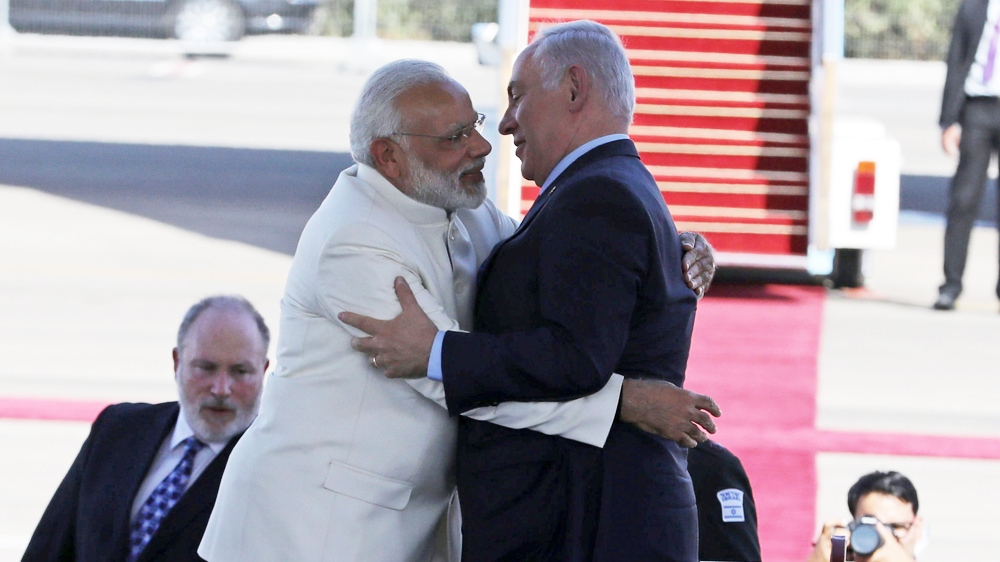
As Prime Minister Narendra Modi prepares for his second visit to Israel on February 25, analysts note the significant shift in India’s foreign policy under his leadership. What was once a clandestine relationship between India and Israel has become a public friendship, even as the International Criminal Court issued an arrest warrant for Israeli Prime Minister Benjamin Netanyahu. This shift, driven by perceived pragmatic benefits in tech and military expertise, is viewed by some as undermining India’s longstanding support for Palestine and its moral credibility in the Global South.
Key Points:
- Modi’s visit in 2017 was the first by an Indian Prime Minister to Israel.
- India has become Israel’s largest weapons buyer under Modi.
- A memorandum of understanding aims to deepen defense ties, including joint development of anti-ballistic missile defense.
- Modi’s visit boosts Netanyahu’s image amidst domestic political challenges in Israel.
- India’s historical support for Palestine is rooted in its role in the non-alignment movement.
- Trade between India and Israel has grown from $200 million in 1992 to over $6 billion in 2024.
- Modi condemned the October 7, 2023, Hamas-led attack and supports Israel’s stance on terrorism.
Critical Analysis:
The historical context reveals a multi-faceted approach by PM Modi encompassing domestic political outreach (“Joy Maa Kali”: PM Modi’s Big Voter Outreach Before Bengal Election), personal engagement (‘Your worth isn’t defined by marks,’: PM Modi cheers exam warriors at Mann Ki Baat), and strategic international relations (From Knesset Speech To Bilateral Pacts: What’s On PM Modi’s Israel Agenda). The article about BJP leader refusing blankets to Muslim women highlights the internal tensions that exist in India, and the Modi’s party leaning towards more Hindu nationalist ideologies, which mirrors Israel’s self-identification as a Jewish homeland. This suggests a calculated effort to consolidate support both domestically and internationally by aligning with shared ideological viewpoints and strategic interests.
Key Takeaways:
- India’s foreign policy has undergone a significant shift under Modi, prioritizing relations with Israel over traditional support for Palestine.
- The pursuit of strategic and economic benefits from Israel is seen by some as compromising India’s moral authority.
- Modi’s visit to Israel provides a political boost to Netanyahu amidst domestic challenges.
- The growing ties between India and Israel reflect shared concerns about “Islamic terrorism” and strategic interests.
- India’s shift towards “strategic autonomy” has allowed it to maintain relations with various Middle Eastern powers, but potentially at the cost of alienating some.
Impact Analysis:
The deepening relationship between India and Israel has several long-term implications:
- Regional Geopolitics: India’s increasing alignment with Israel could reshape regional alliances and potentially impact its relations with Arab nations and Iran.
- Global South Relations: India’s shift may alienate some countries in the Global South that traditionally supported Palestine.
- Domestic Politics: The pro-Israel stance could solidify support among Hindu nationalist voters but may also create divisions within India’s diverse population.
- Defense and Security: The strengthened defense ties with Israel could enhance India’s military capabilities and contribute to its security strategy.
- Economic Ties: Continued growth in trade and investment between India and Israel is likely, fostering further economic cooperation.
 First Piper