
Mon Feb 23 11:51:04 UTC 2026: ### Awami League Activists Re-emerge in Bangladesh Amidst Political Turmoil
The Story:
Following the February 12, 2026 parliamentary election that resulted in a landslide victory for the Bangladesh Nationalist Party (BNP), Awami League (AL) activists have begun to re-emerge in Bangladesh. Despite the party remaining officially banned since the 2024 uprising, activists have been reopening closed party offices across at least 15 districts, raising flags, and displaying portraits of prominent leaders. These actions are taking place against a backdrop of political uncertainty, with Awami League leaders in exile or facing legal proceedings.
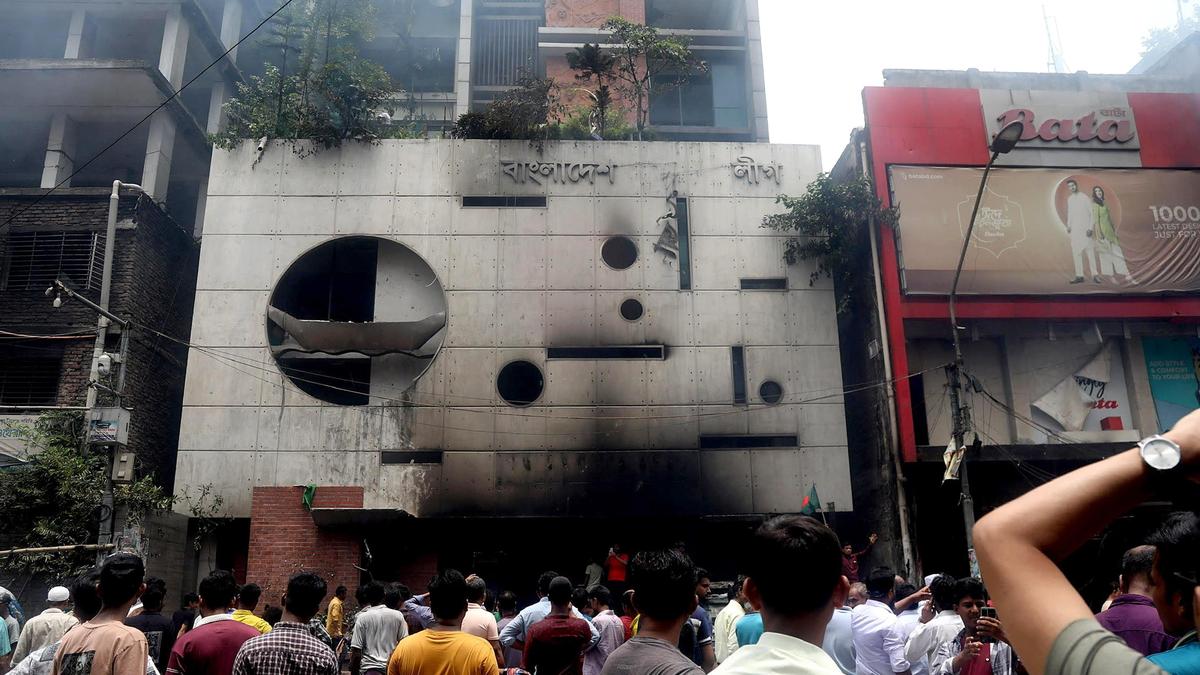
The reopenings have been met with mixed reactions. While some areas have seen AL activists proceed without obstruction, others have witnessed resistance from BNP affiliates and student activists, leading to vandalism and even arson. The BNP, under the leadership of Tarique Rahman, is navigating a complex political landscape, with some analysts suggesting a degree of tacit tolerance towards the AL’s activities, while others emphasize the ongoing legal challenges facing AL leaders.
Key Points:
- The Awami League remains officially banned following the 2024 uprising.
- Awami League activists have reopened party offices in at least 15 districts after the February 12, 2026 election.
- Reactions to the reopenings have varied, ranging from no obstruction to vandalism and arson.
- Sheikh Hasina, in exile in India, has challenged the legitimacy of the February 12 election.
- As of November 19, 2025, 1,785 cases had been filed against Awami League leaders and supporters.
- The BNP is likely to prioritize its Truth and Healing Commission and legal accountability processes.
Critical Analysis:
The reopening of Awami League offices, despite the official ban, suggests a calculated risk by AL activists, potentially emboldened by perceived leniency from the new BNP administration or a belief that the BNP’s post-election confidence might create openings. The fact that India and China are stepping up outreach to Tarique Rahman’s government indicates a broader geopolitical interest in the stability and direction of Bangladesh under the new leadership. The reshuffling of the Bangladesh Army by the Tarique government further signifies a consolidation of power and potentially a shift in the country’s security and foreign policy alignment. The charges against Yunus, accusing him of plotting to “overthrow, destabilise Dhaka”, indicate an ongoing effort to suppress dissent and solidify the government’s control.
Key Takeaways:
- The political situation in Bangladesh remains volatile following the 2026 election.
- The Awami League’s future is uncertain, with its leadership fractured and facing legal challenges.
- The BNP government faces the challenge of balancing its consolidation of power with managing potential unrest and dissent.
- The reopening of AL offices is a symbolic act that tests the limits of the new political order.
- External actors, including India and China, are actively engaging with the new Bangladeshi government, highlighting the regional significance of the political transition.
Impact Analysis:
The ongoing political turmoil in Bangladesh has potentially far-reaching consequences. The actions taken by the BNP government in the coming months will determine the long-term trajectory of Bangladeshi democracy. The treatment of the Awami League, the response to dissent, and the country’s foreign policy alignment will all shape the future of the nation. The willingness of the BNP to engage in genuine reconciliation and address the underlying issues that led to the 2024 uprising will be critical in preventing further instability. The long-term impact will depend on whether the BNP can foster a more inclusive and stable political environment or if the country will descend further into authoritarianism.
 First Piper