
Mon Feb 23 04:33:53 UTC 2026: # Hong Kong Court Upholds National Security Law Convictions, Crushing Pro-Democracy Hopes
The Story
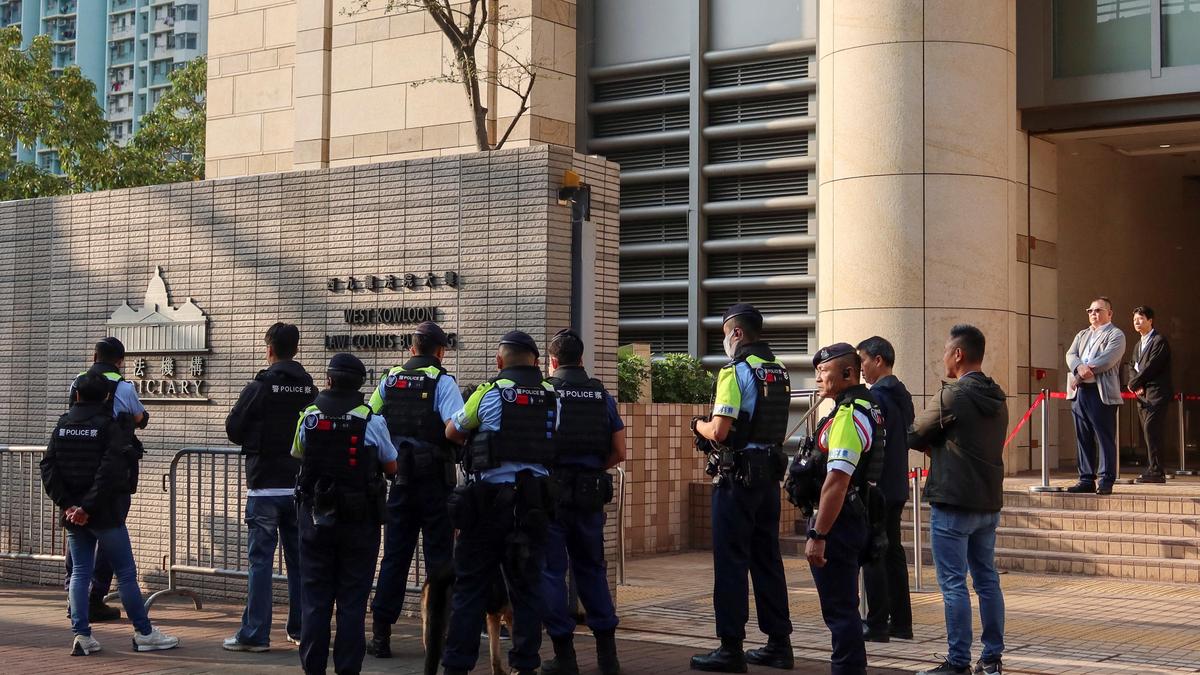
On February 23, 2026, a Hong Kong court dismissed all appeals in the city’s largest case brought under the Beijing-imposed national security law. This ruling effectively upheld the convictions and sentences of 45 pro-democracy activists, who were initially charged in 2021 with conspiracy to commit subversion for their involvement in an unofficial primary election in 2020. The mass prosecution has been criticized as a move to suppress the pro-democracy movement that gained momentum during the 2019 anti-government protests. The international community has voiced concerns over the erosion of civil liberties in Hong Kong.
Key Points
- Hong Kong court dismissed all appeals in the largest national security law case.
- 45 pro-democracy activists’ convictions and sentences upheld.
- Activists were charged in 2021 for involvement in a 2020 unofficial primary election.
- The case stems from the 2019 anti-government protests.
- Eleven activists who appealed their convictions lost their bids, including former lawmakers Leung Kwok-hung, Lam Cheuk-ting, Raymond Chan, and Helena Wong.
- Lawrence Lau, a pro-democracy former district councilor, was acquitted, with judges upholding his acquittal.
- Critics argue the convictions demonstrate the crushing of dissent following the 2019 protests.
- The Beijing and Hong Kong governments maintain the national security law is necessary for stability.
- Activists like Benny Tai and Joshua Wong received significant prison sentences.
Critical Analysis
The timing of this decision, amidst other Supreme Court rulings in India, and a ruling on Trump tariffs, highlights a global trend of legal and political actions with potentially destabilizing effects. While seemingly unrelated, the Hong Kong decision reinforces concerns about authoritarian overreach, while the Trump tariff ruling introduces economic uncertainty. The contrast is stark.
Key Takeaways
- The ruling solidifies the Beijing-imposed national security law’s impact on Hong Kong’s political landscape.
- It further diminishes the pro-democracy movement’s ability to operate effectively within the existing legal framework.
- International criticism is likely to intensify, potentially leading to further diplomatic tensions.
- The case serves as a cautionary tale about the erosion of political freedoms and the suppression of dissent.
- The ruling could potentially inspire similar actions in other regions facing internal dissent.
Impact Analysis
The long-term implications of this ruling are significant. It signals a further consolidation of power by Beijing in Hong Kong, potentially leading to a continued exodus of residents and a decline in the city’s reputation as a global financial hub. The suppression of pro-democracy voices may also fuel underground resistance movements, leading to further instability. The international community will likely re-evaluate its relationship with Hong Kong, potentially impacting trade and investment. The ruling will serve as a precedent for future national security cases, further chilling political expression in the city.
 First Piper