
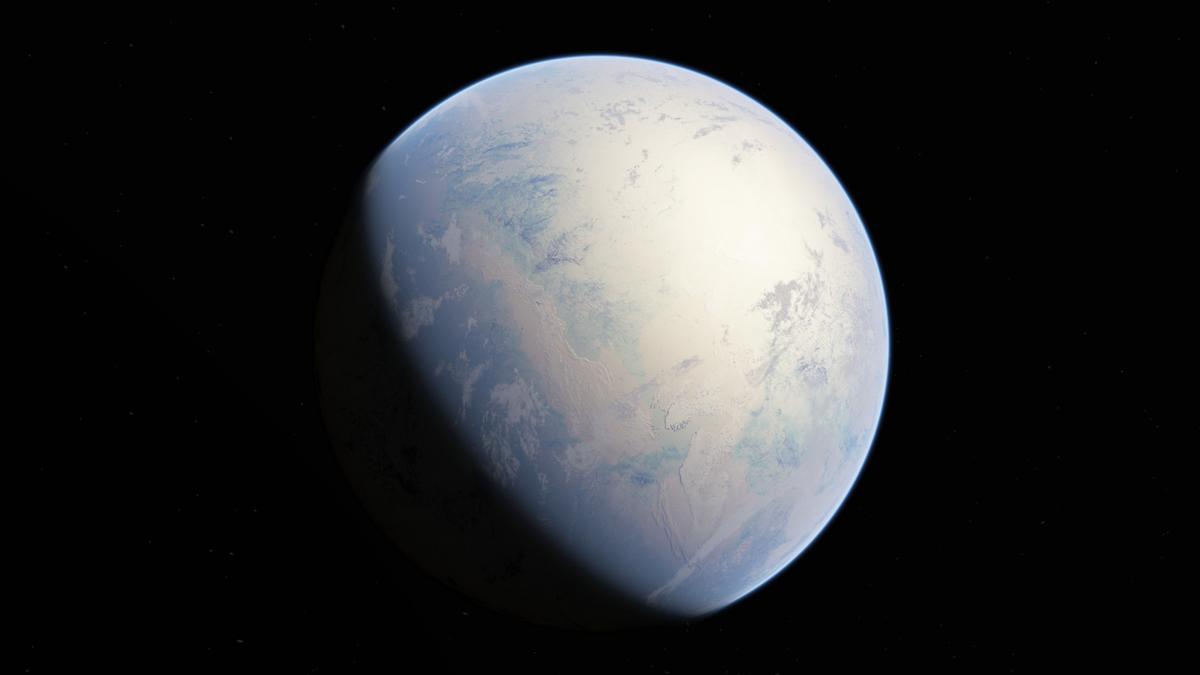
Tue Feb 17 09:55:40 UTC 2026: Headline: “Snowball Earth” Climate Cycles Uncovered: New Study Reveals Surprising Variability
The Story:
A new study published in Earth and Planetary Science Letters sheds light on the climate dynamics of the Cryogenian Period (720-635 million years ago), a time when Earth may have experienced “snowball earth” conditions with ice covering even tropical latitudes. Researchers analyzed 2,640 thin layers of sediment from the Port Askaig Formation in Scotland, identifying them as annual varves. Their analysis revealed climate cycles, including those matching known solar cycles (roughly 9-11 years and about 60-150 years) and shorter variabilities similar to modern El Nino events.
Key Points:
* Study analyzes 2,640 sediment layers in the Port Askaig Formation in Scotland.
* Evidence suggests climate cycles existed during “snowball earth” periods.
* Identified cycles match solar cycles of roughly 9-11 years (sunspot cycle) and 60-150 years (Gleissberg cycle).
* Data shows variability of 2-5 years, similar to modern El Nino.
* Climate simulations support the presence of 2-3 year variability even with significant sea ice.
Key Takeaways:
* Even during extreme ice ages, Earth’s climate exhibited dynamic variability.
* Solar cycles and other climate patterns may have persisted despite “snowball earth” conditions.
* The study challenges the idea of a static climate during the Cryogenian Period.
 First Piper