
Sat Feb 21 16:22:24 UTC 2026: ### Trump Defies Supreme Court, Imposes New Global Tariffs After Setback
The Story:
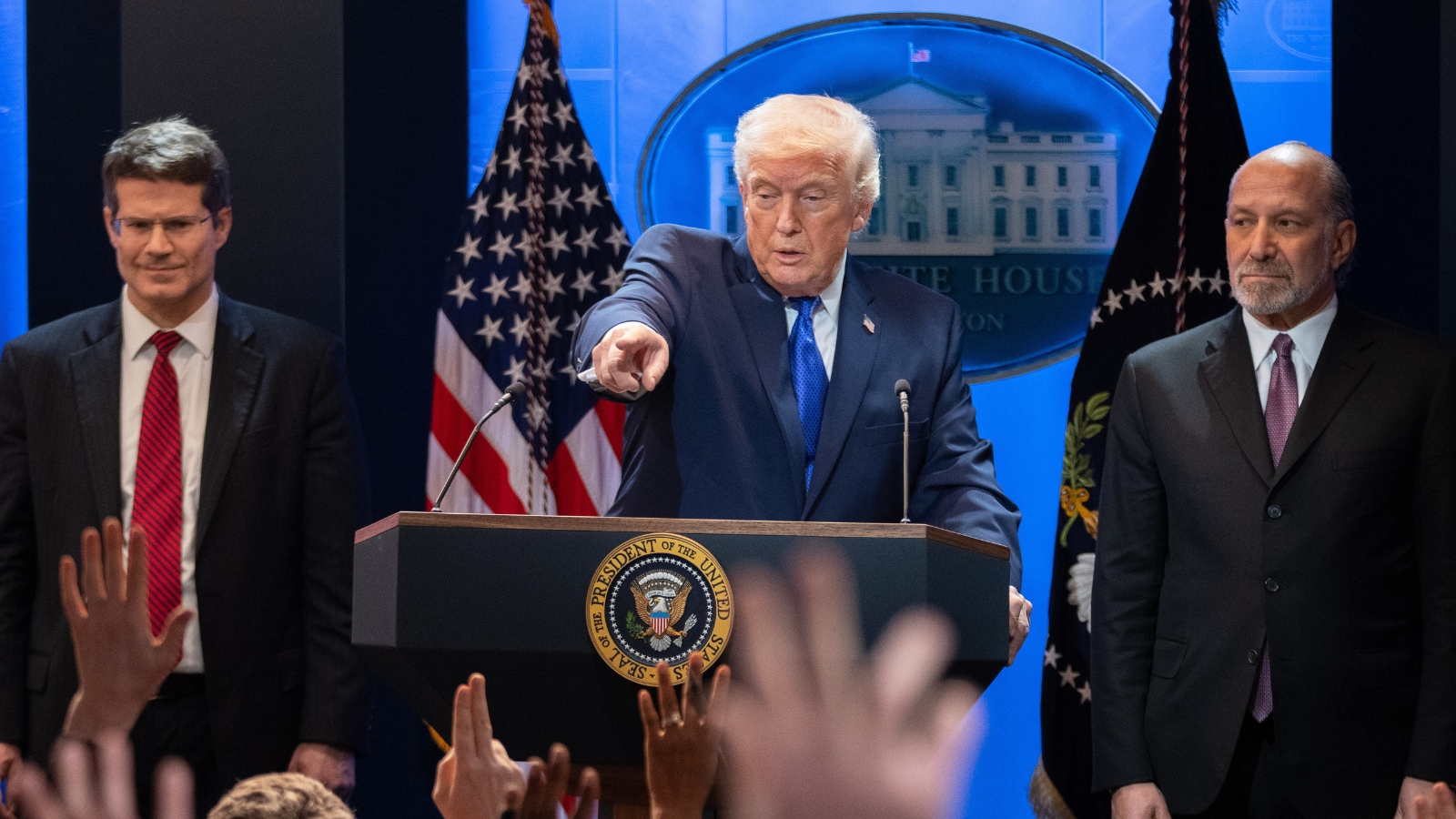
Following a setback in the US Supreme Court, which struck down his previous tariff impositions, President Donald Trump announced a new blanket 15% tariff on goods imported into the US from around the world for 150 days. This move, framed as addressing “fundamental international payments problems,” drew immediate scrutiny and concern from global trade partners, including India, whose Commerce Ministry stated it was “studying” the implications. Trump defended the action as necessary to “Make America Great Again,” citing Section 122 of the Trade Act of 1974 as his authority.
Key Points:
- Supreme Court Rejection: The US Supreme Court invalidated President Trump’s prior tariff policies.
- New Tariffs Imposed: President Trump announced a 15% tariff on goods imported into the US for 150 days, initially set at 10% before being raised.
- India’s Response: The Indian Commerce Ministry is “studying” the implications of the new US tariffs.
- Legal Justification: The White House cited Section 122 of the Trade Act of 1974 as the legal basis for the tariffs.
- Exempted Goods: Certain critical minerals, metals, energy products, agricultural products, pharmaceuticals, electronics, vehicles, and aerospace products are exempt from the new tariffs.
- Trade Deal Implications: The dynamics of the ongoing India-US trade deal are set to change.
- Global Impact: Global Trade Alert (GTA) estimates the removal of previous tariffs would have significantly reshaped competitive conditions for exporters to the US.
Critical Analysis:
The historical context reveals a pattern of President Trump’s reactions to setbacks regarding his tariff policies. The headlines showcase his initial meetings during the Supreme Court’s tariff setback, the praise he gave to a judge supporting his tariffs, and the reactions from other political entities. This pattern indicates a tendency to double down on his trade policies despite legal challenges, suggesting a strong conviction in his approach to international trade and a willingness to use executive power to achieve his desired outcomes.
Key Takeaways:
- Executive Power Assertion: The action demonstrates a willingness by the President to use executive power to implement trade policies, even after judicial challenges.
- Trade War Escalation: The imposition of new tariffs suggests a potential escalation of trade tensions with multiple countries.
- India-US Trade Uncertainty: The future of the India-US trade deal is now uncertain, potentially requiring renegotiation.
- Global Trade Disruption: The tariffs could disrupt global supply chains and alter competitive landscapes for exporters.
- Legal Challenges Likely: The new tariffs are likely to face further legal challenges, given the Supreme Court’s previous ruling.
Impact Analysis:
This event carries significant long-term implications. The imposition of global tariffs can lead to retaliatory measures from affected countries, potentially triggering a wider trade war. Businesses will need to adapt to higher import costs, which could be passed on to consumers, impacting inflation and economic growth. The legal challenges that are anticipated could create further uncertainty for businesses and investors. Furthermore, this event highlights the potential for executive actions to rapidly reshape international trade relations, requiring businesses and governments to remain agile and responsive to policy changes.
 First Piper