
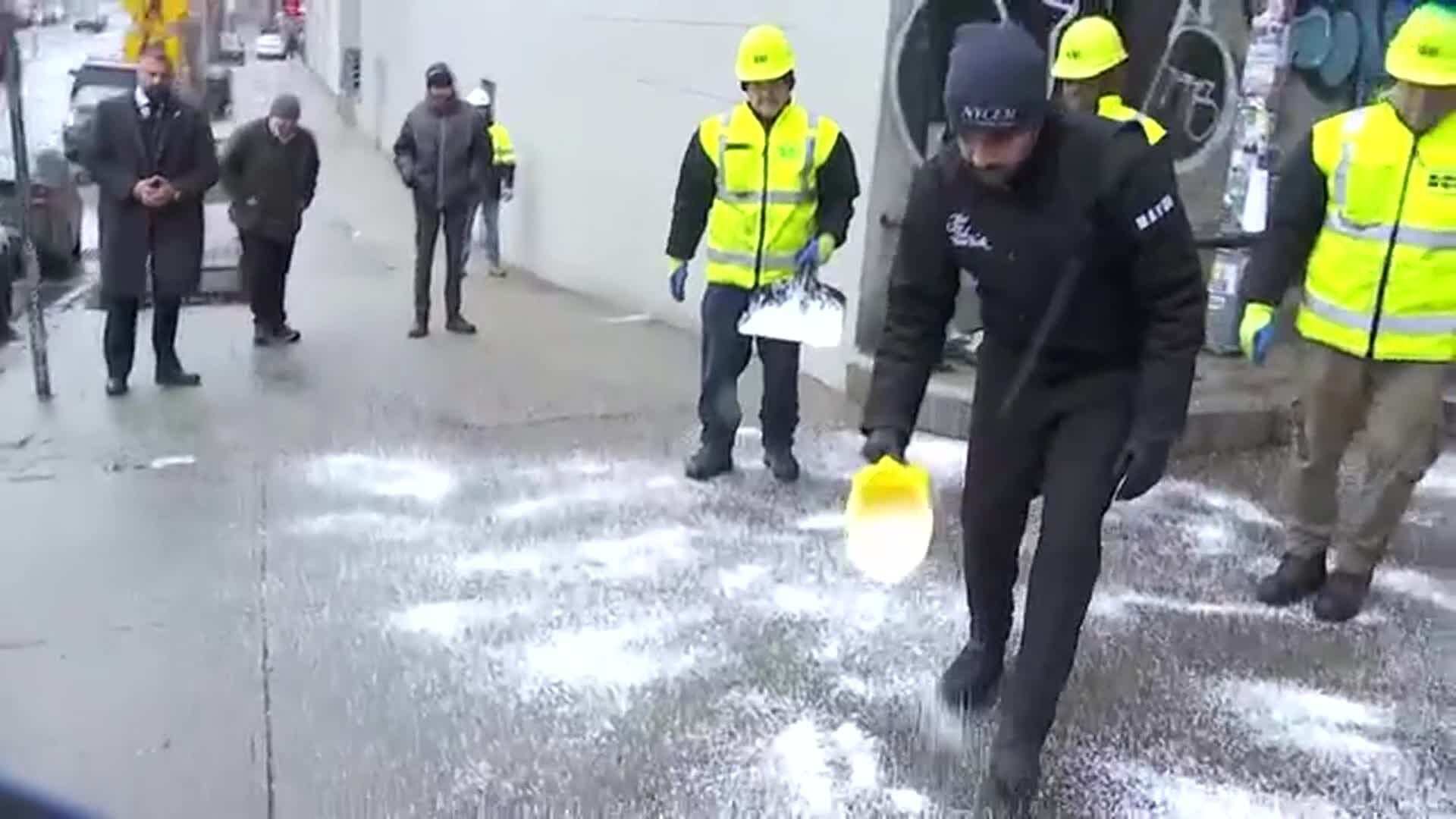
Sun Feb 22 17:30:00 UTC 2026: # Mayor Mamdani Urges Immediate Preparation for Potentially Historic Winter Storm
The Story:
New York City Mayor Zohran Mamdani has issued an urgent call for residents to prepare for what could be the city’s most significant winter storm in years. This announcement comes as the city braces for a massive nor’easter predicted to bring substantial snowfall and potentially disruptive conditions. The mayor’s office is emphasizing the need for immediate action to ensure public safety and minimize the impact of the impending weather event.
Key Points:
- Mayor Zohran Mamdani has urged NYC residents to prepare for a potentially historic winter storm.
- The storm is predicted to be one of the most significant in recent years.
- Residents are advised to begin preparations immediately.
Critical Analysis:
The historical context reveals that Mayor Mamdani previously managed a major snowstorm in February 2026, during which he enacted a travel ban. The fact that he is now proactively urging preparation suggests a lessons-learned approach. The previous storm likely provided valuable experience in anticipating and mitigating the effects of severe winter weather. The emphasis on “immediate” preparation indicates a higher level of concern, possibly based on updated weather forecasts or a desire to avoid the need for drastic measures like travel bans.
Key Takeaways:
- Mayor Mamdani is taking a proactive approach to winter storm management, likely informed by his experience with a significant storm in 2026.
- The emphasis on immediate preparation suggests a high level of concern regarding the potential impact of the storm.
- The city is prioritizing public safety and aiming to minimize disruption through early preparedness.
- The previous travel ban enacted in February 2026 may be a contingency plan if preparations prove insufficient.
Impact Analysis:
The Mayor’s proactive stance can significantly impact public perception and preparedness. By emphasizing early action, Mayor Mamdani aims to reduce the strain on emergency services and infrastructure during the storm. A well-prepared populace is less likely to require assistance, allowing city resources to focus on critical needs. This approach could also improve public confidence in the city’s ability to handle severe weather events, leading to better compliance with future advisories and directives. The long-term impact could include reduced economic losses due to business closures and disruptions, as well as fewer weather-related injuries and fatalities.
 First Piper