
Sun Feb 22 01:56:27 UTC 2026: # Pakistan Retaliates with Airstrikes in Afghanistan, Raising Regional Tensions
The Story:
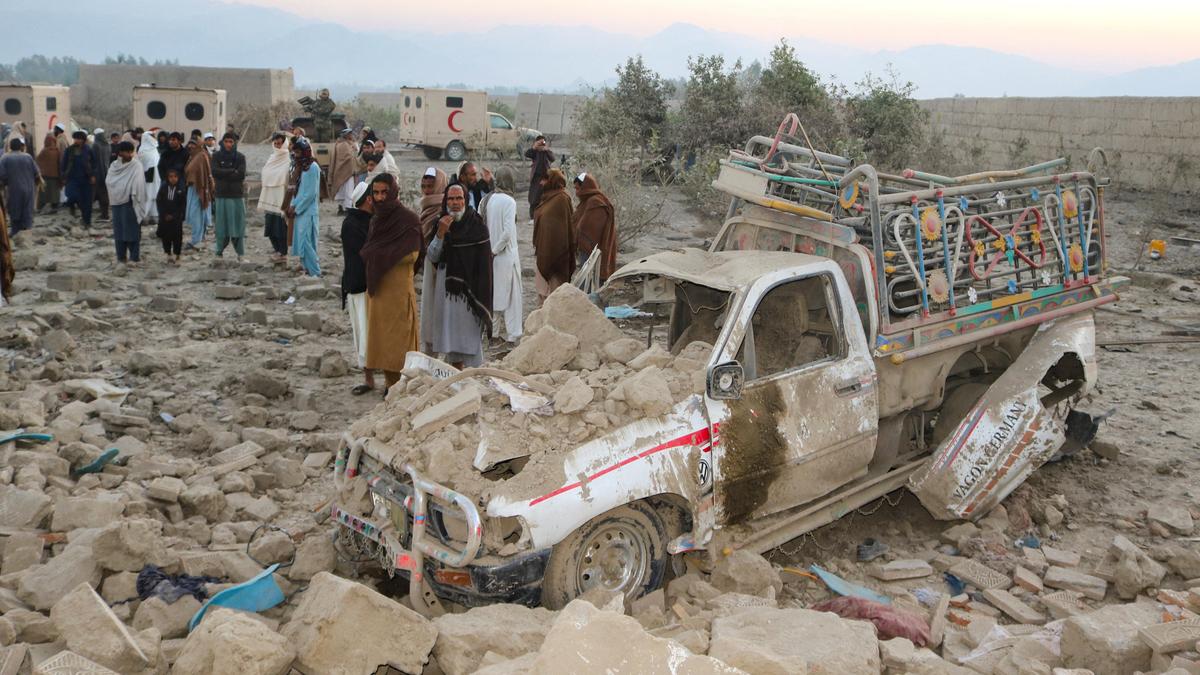
On February 22, 2026, Pakistan conducted airstrikes targeting at least seven alleged terrorist hideouts within Afghanistan, claiming the action was in response to recent attacks on Pakistani soil. These attacks included a suicide bombing in the Bannu area of Khyber Pakhtunkhwa province that killed an army lieutenant colonel and a soldier, as well as previous incidents targeting a Shiite mosque in Islamabad and other locations. Pakistan attributes these attacks to Khwarij, operating under the leadership of the Afghanistan-based Tehreek-e-Taliban Pakistan (TTP), referred to as Fitna-al-Khwarij (FAK), and the Islamic State of Khorsan Province (ISKP). Afghanistan has condemned the strikes as a violation of its sovereignty and warned of a “necessary and measured response.”
Key Points:
- Pakistan claims responsibility for airstrikes on at least seven terrorist hideouts in Afghanistan.
- The strikes are a response to recent terrorist attacks in Pakistan, including a suicide bombing in Bannu.
- Pakistan attributes the attacks to Fitna-al-Khwarij (FAK/TTP) and ISKP, allegedly operating from Afghan territory.
- Afghanistan condemns the strikes as a violation of its sovereignty and threatens retaliation.
- Pakistan urges the Afghan Taliban to adhere to the Doha Agreement and prevent the use of Afghan soil for attacks against other countries.
- Relations between Pakistan and the Afghan Taliban have deteriorated due to alleged inaction against terrorists operating within Afghanistan.
Critical Analysis:
The escalation between Pakistan and Afghanistan reflects a failure in diplomatic efforts and a breakdown in trust. Pakistan’s decision to take unilateral military action underscores its frustration with the Afghan Taliban’s perceived inability or unwillingness to control cross-border terrorist activities. This situation is further complicated by the presence of various militant groups operating in the region, making it difficult to pinpoint responsibility and implement effective counter-terrorism measures.
Key Takeaways:
- The security situation along the Pakistan-Afghanistan border is deteriorating, with increased cross-border attacks and military responses.
- The Afghan Taliban’s control over its territory is being questioned, particularly regarding its ability to prevent terrorist groups from operating within its borders.
- Regional stability is threatened by the escalating tensions between Pakistan and Afghanistan.
- The international community is urged to play a role in de-escalating the conflict and encouraging cooperation between the two countries.
Impact Analysis:
The airstrikes and subsequent threats of retaliation could lead to a further escalation of violence, potentially destabilizing the entire region. This could result in increased cross-border movement of militants, further straining relations between Pakistan and Afghanistan and potentially triggering a wider conflict. The international community will likely face increased pressure to intervene diplomatically and provide humanitarian assistance to address the consequences of the escalating conflict. The situation also raises concerns about the future of counter-terrorism efforts in the region and the potential for a resurgence of extremist groups.
 First Piper