
Sat Feb 21 05:57:16 UTC 2026: # NASA Report Blasts Boeing’s Starliner Mission, Cites “Unprofessional Behavior” and Technical Failures
The Story:
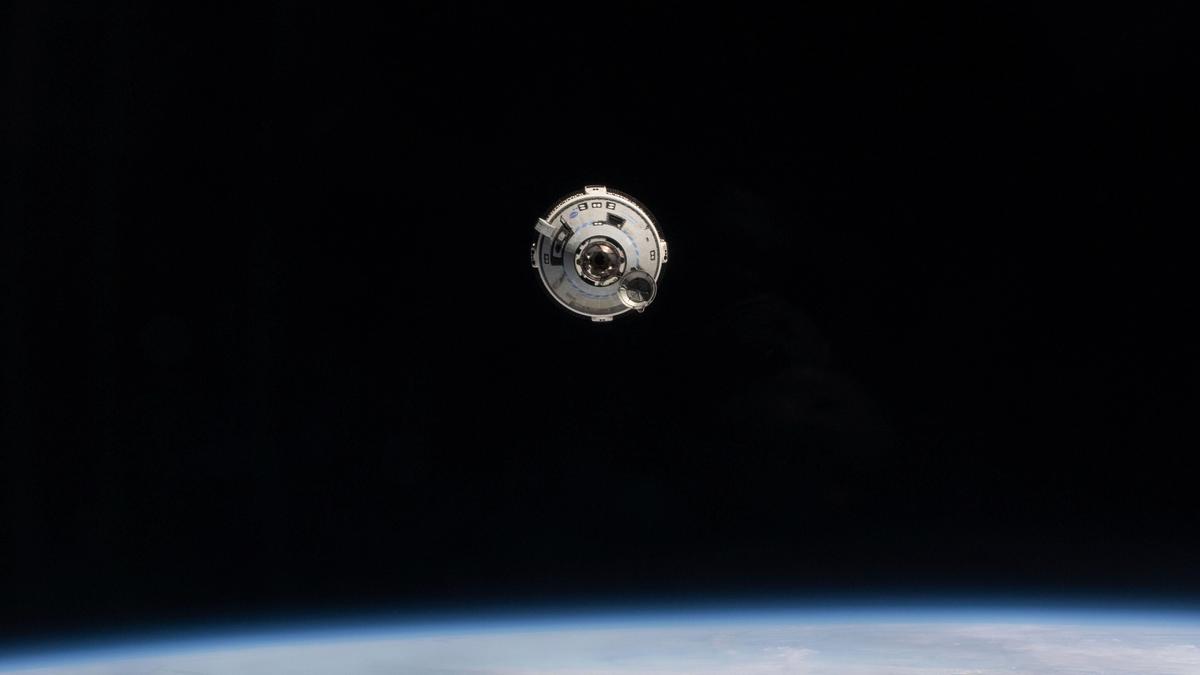
A scathing report released by NASA on February 19, 2026, details a litany of failures in Boeing’s Starliner mission, which stranded astronauts Butch Wilmore and Suni Williams on the International Space Station (ISS) for nearly a year. The report, triggered by the botched mission, highlights communication breakdowns, unprofessional conduct, and technical deficiencies that plagued the program. NASA Administrator Jared Isaacman publicly criticized both Boeing and agency leadership for their handling of the crisis, emphasizing that the most troubling failure was not hardware-related, but stemmed from flawed decision-making and leadership.
Key Points:
- NASA released a 300-page report detailing technical and oversight failures in the Starliner mission.
- Astronauts Butch Wilmore and Suni Williams were stuck on the ISS for nine months, far exceeding the initial plan of roughly a week.
- The report cites “unprofessional behavior” and yelling matches between Boeing and NASA officials during tense meetings regarding the astronauts’ return.
- A “fragile partnership dynamic” existed between NASA and Boeing, with concerns that Boeing might withdraw from the Commercial Crew Program influencing critical mission decisions.
- NASA retroactively classified the Starliner mission as a “Type A” mishap, its most severe category of mission failure.
- Boeing has incurred roughly $2 billion in charges on the program since 2016, and the total value of their NASA contract was reduced to $3.7 billion.
- The number of planned Starliner flights was cut from six to four.
- Wilmore and Williams returned to Earth on a SpaceX craft after their faulty Starliner capsule returned empty.
Critical Analysis:
The historical context shows parallel issues with space exploration programs as the Artemis mission faces delays due to technical issues. This suggests a broader challenge within NASA in ensuring the reliability and safety of space missions, whether through in-house projects or partnerships with private entities. The article emphasizes cultural and organizational issues, highlighting the importance of effective leadership and decision-making in high-stakes environments.
Key Takeaways:
- The Starliner mission failure underscores the critical importance of effective communication and collaboration between NASA and its private contractors.
- The report reveals deep-seated organizational and cultural issues within both NASA and Boeing that contributed to the mission’s failures.
- The reliance on private companies for space travel introduces complexities related to accountability, oversight, and risk management.
- The incident highlights the need for robust conflict resolution mechanisms and a culture of open communication to address technical disagreements effectively.
Impact Analysis:
The Starliner debacle will likely have a significant impact on NASA’s future partnerships with private space companies. The agency may implement stricter oversight and accountability measures to prevent similar failures. Boeing’s reputation has been severely damaged, potentially affecting its ability to secure future contracts with NASA. The reduction in planned Starliner flights indicates a potential shift towards greater reliance on SpaceX for crewed missions to the ISS. This situation may also lead to increased scrutiny of the Commercial Crew Program and a reevaluation of the balance between cost-efficiency and safety in space exploration.
 First Piper