
Sun Feb 22 12:45:48 UTC 2026: ### Headline: Israeli Opposition Threatens Boycott of Modi’s Knesset Address Amid Judicial Overhaul Dispute
The Story:
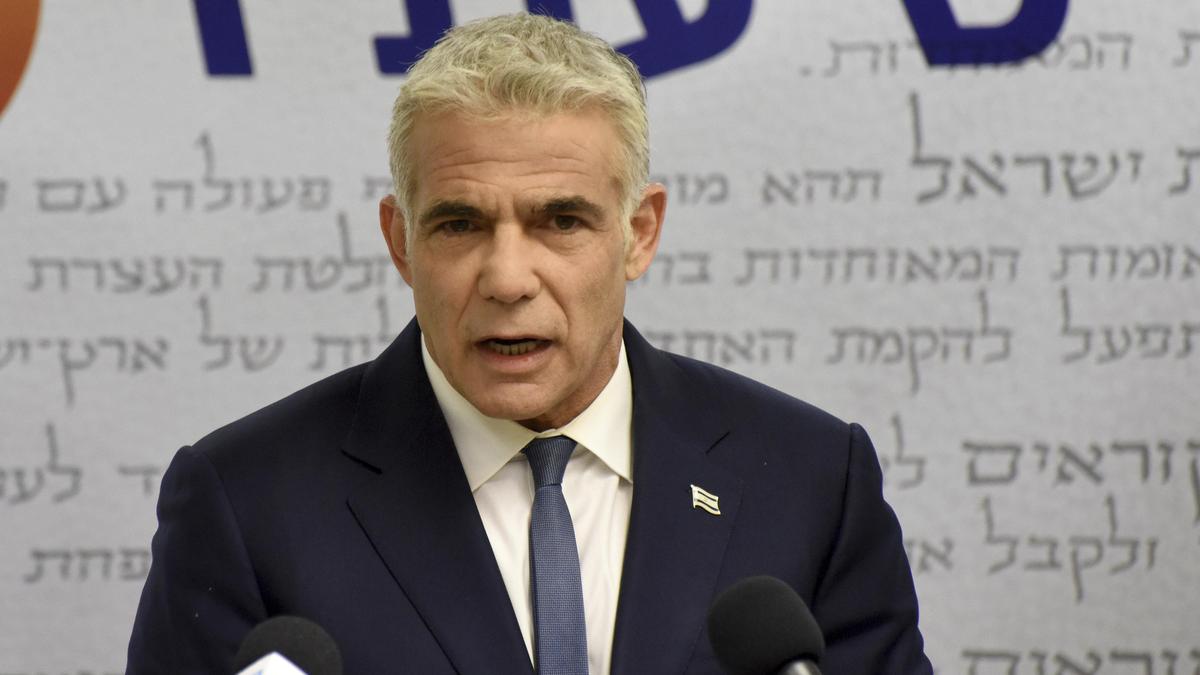
Prime Minister Narendra Modi‘s upcoming visit to Israel, scheduled for February 25, 2026, has become entangled in Israeli domestic politics. Opposition leader Yair Lapid, Chairman of the Yesh Atid Party, is threatening to boycott Modi’s address to the Knesset unless the Supreme Court President Yitzhak Amit is also invited, adhering to traditional protocol. The conflict stems from an ongoing dispute over judicial overhaul in Israel, which has deeply divided the nation for over two years. The government, particularly Justice Minister Yariv Levin, has refused to recognize Amit’s authority since his election in January 2025.
Key Points:
- Prime Minister Modi is expected to visit Israel on February 25, 2026, for a two-day visit.
- Opposition leader Yair Lapid is threatening to boycott Modi‘s Knesset address if Supreme Court President Yitzhak Amit is not invited.
- Justice Minister Yariv Levin has refused to recognize Amit’s authority since his election in January 2025.
- Knesset Speaker Amir Ohana has accused Lapid of harming Indo-Israel relations for political gain.
- The dispute revolves around a contentious judicial overhaul that has caused significant division within Israel.
Critical Analysis:
The situation reveals the extent to which domestic political struggles can intersect with international relations. Lapid’s threat is a calculated move to pressure the government on the judicial overhaul issue, using the high-profile visit of Prime Minister Modi as leverage. The government’s refusal to acknowledge the Supreme Court President, and Lapid’s reaction, highlight the deep divisions within Israeli society and its political system. The reference to previous boycotts during visits by President Trump and President Milei show this is not a new issue.
Key Takeaways:
- Internal political conflicts can significantly impact diplomatic relations.
- High-profile international visits can be exploited for domestic political leverage.
- The judicial overhaul in Israel remains a deeply divisive issue.
- The incident reveals the fragility of political consensus in Israel and the willingness of political actors to use unconventional tactics.
- Indo-Israel relations are being tested by internal Israeli political dynamics.
Impact Analysis:
The immediate impact is potential embarrassment for both India and Israel if the boycott proceeds. A half-empty Knesset during Prime Minister Modi’s address would be a significant diplomatic faux pas. Longer-term, the incident could strain Indo-Israel relations if not handled carefully. India values its relationship with Israel, but it also seeks to avoid being drawn into Israel’s internal political battles. The way this situation is resolved will likely set a precedent for how future international visits are handled amidst domestic political turmoil in Israel.
 First Piper