
Sun Feb 22 04:13:44 UTC 2026: ### Headline: India Among Top Contributors to Global Pesticide Toxicity, UN Goals Off Track
The Story:
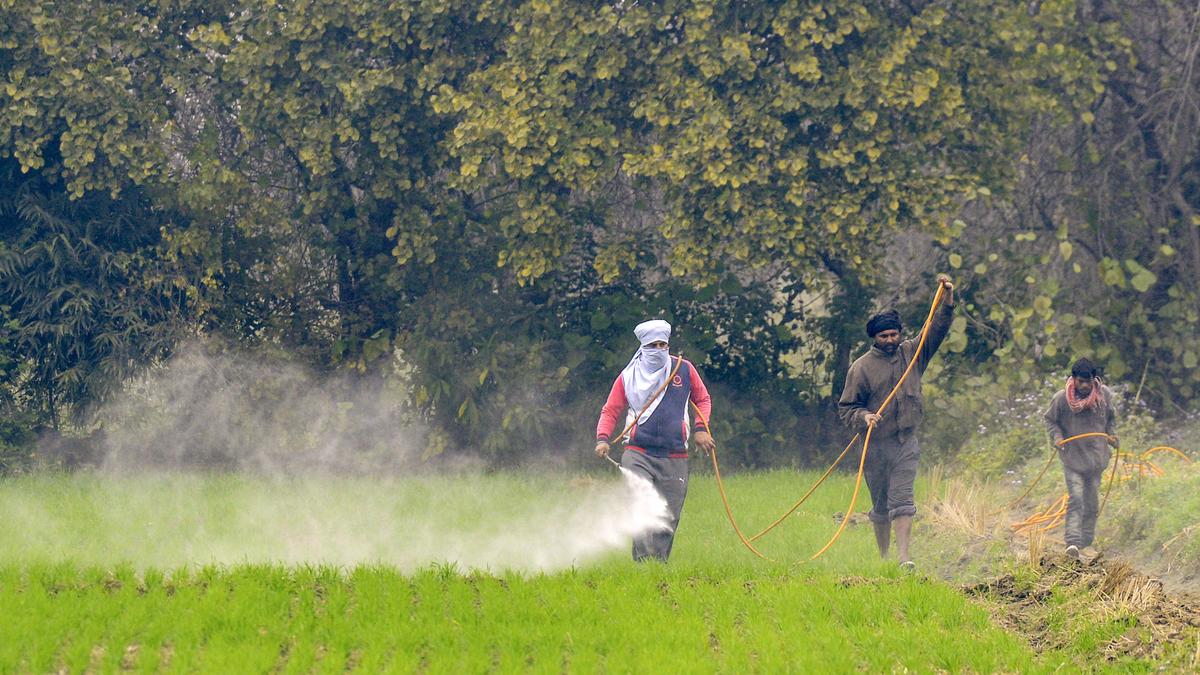
A new study published in Science reveals that India, along with China, Brazil, and the U.S., accounts for nearly 70% of the world’s total applied toxicity (TAT) from pesticides. This poses a significant threat to biodiversity and human health. The study examined pesticide use from 2013-2019 across 65 countries and found that overall toxicity has increased, despite a 2022 UN commitment to reduce pesticide risk by 50% by 2030. The report highlights the overuse of pesticides in agriculture, particularly on fruits, vegetables, and cereals, leading to collateral damage among non-target species.
Key Points:
- India, China, Brazil, and the U.S. contribute almost 70% of global pesticide toxicity.
- Pesticide toxicity increased between 2013 and 2019, with terrestrial arthropods, soil organisms, and fish being most affected.
- Chile is the only country on track to meet the UN’s 2030 pesticide risk reduction target.
- India uses at least 66 pesticides that are banned elsewhere, including paraquat.
- The new Pesticides Management Bill 2025, expected to pass in March 2026, may not adequately address the issue.
Key Takeaways:
- Global pesticide use is unsustainable and threatens biodiversity, despite international agreements.
- India’s current pesticide regulations are outdated and require urgent reform.
- A shift towards organic agriculture and less toxic pesticides is necessary to meet UN targets.
- Increased monitoring and reporting of pesticide use are crucial for tracking progress.
- Pesticide contamination is affecting not only the environment but also human health, necessitating a comprehensive approach to pesticide management.
Impact Analysis:
The continued high levels of pesticide toxicity in India and other major agricultural nations have long-term implications for food security, ecosystem health, and public health. The failure to meet the UN’s 2030 target could lead to further biodiversity loss, increased health risks associated with pesticide exposure, and potential trade barriers, as seen with the EU’s rejection of Indian basmati rice. The passage and effective implementation of the Pesticides Management Bill 2025 is crucial, but requires incorporating expert suggestions and a long-term vision for sustainable agriculture, including liability provisions for pesticide misuse. The future of Indian agriculture hinges on a transition away from pesticide-intensive practices towards more sustainable and environmentally friendly alternatives.
 First Piper