
Sun Feb 22 12:40:00 UTC 2026: Headline: All J&K Shia Association Collaborates with IMD for Ramzan Moon Sighting, Promoting Local Observance
The Story:
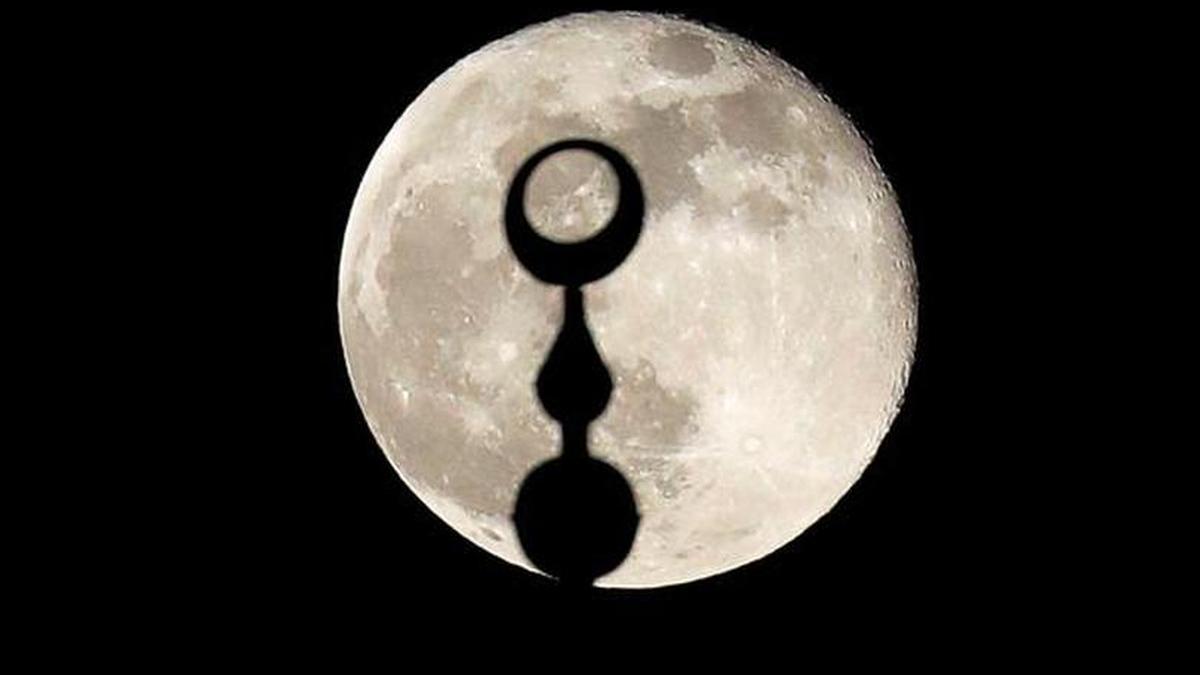
The All J&K Shia Association has partnered with the India Meteorological Department (IMD) to determine the start of Ramzan, marking the first collaboration between a Muslim body and the IMD in the Union Territory for this purpose. This initiative aims to ensure local, credible, and timely confirmation of the lunar crescent, reducing reliance on moon sighting reports from other regions, including Pakistan and Iran, which Kashmir has historically followed.
The Association’s Ruet-e-Hilal Committee will operate continuously to observe the lunar moon every Islamic month. Following the moon sighting, the Association announced that the first day of Ramzan would be observed from February 19, 2026, aligning with reports from other Indian regions like Kargil and Lucknow.
Key Points:
* The All J&K Shia Association is the first Muslim body in the Union Territory to collaborate with the IMD for Ramzan moon sighting.
* The Ruet-e-Hilal Committee will function permanently to observe the lunar moon every Islamic month.
* The initiative aims to end dependency on moon sighting reports from other places, particularly Pakistan and Iran.
* The first day of Ramzan was announced as February 19, 2026, based on moon sighting reports from Kargil and Lucknow.
* The Association aims to foster unity, transparency, and collective participation in religious observances.
Critical Analysis:
The collaboration between the All J&K Shia Association and the IMD is a strategic move towards greater autonomy in religious observances within the Union Territory. Historically, Kashmir has often aligned its Ramzan start dates with announcements from Pakistan and Iran. This new initiative, supported by the Indian government through the IMD, signifies an effort to assert local control and potentially reduce external religious influence. The timing of this collaboration, given the broader context of India’s efforts to integrate Jammu and Kashmir more fully into the nation, suggests a deliberate strategy to promote localized decision-making in religious matters.
Key Takeaways:
* The collaboration represents a shift towards localized religious authority in Jammu and Kashmir.
* The IMD’s involvement signifies government support for local religious observances.
* The initiative aims to reduce reliance on external sources for religious decision-making.
* This event highlights the intersection of religious practice, regional politics, and national integration efforts.
Impact Analysis:
This collaboration could have a lasting impact on religious practices in Jammu and Kashmir. By establishing a local, credible source for moon sighting, the initiative may foster a stronger sense of community and ownership over religious observances. Over time, this could lead to greater religious cohesion within the Union Territory and a reduced susceptibility to external influences. Furthermore, the success of this collaboration could serve as a model for other regions with diverse religious communities seeking greater autonomy in religious affairs. The long-term implications include a potential shift in the dynamics of religious influence and a consolidation of local religious leadership.
 First Piper