
Fri Feb 20 14:22:48 UTC 2026: ### Headline: Iran Warns of Retaliatory Strikes Amid Rising Tensions with U.S.
The Story:
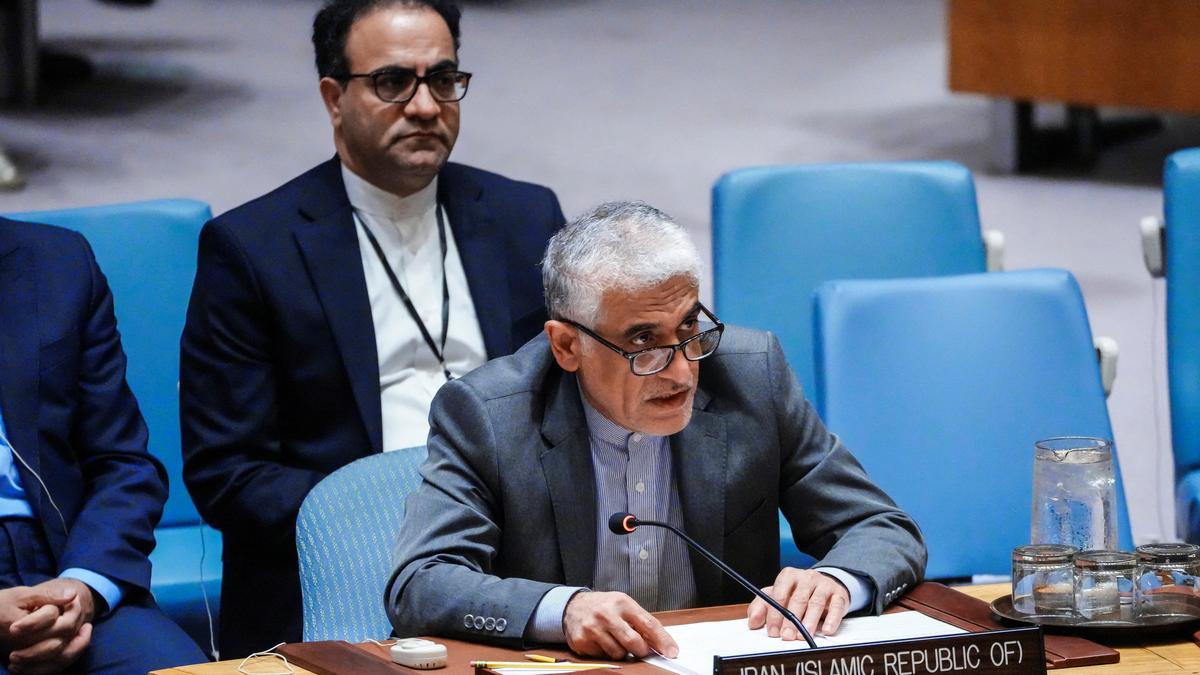
Iran has communicated to the United Nations that it will retaliate against any attack by targeting “hostile forces” regional assets, bases, and facilities. This warning, delivered via a letter from Iran’s UN Ambassador Amir Saeid Iravani on February 19, 2026, accuses the U.S. of issuing explicit threats of force, specifically referencing a social media post by former U.S. President Donald Trump. The communication comes amidst heightened military activity in the region, including U.S. military build-up and Iranian live-fire drills. Iran insists it does not seek war but will exercise its right to self-defense under Article 51 of the UN Charter if attacked.
Key Points:
- Iran warns it will retaliate against any attack by targeting “hostile forces” assets in the region.
- The warning is contained in a letter to the UN from Ambassador Amir Saeid Iravani, dated February 19, 2026.
- Iran cites a social media post by former U.S. President Donald Trump as an “explicit public threat of the use of force”.
- Iran accuses the U.S. of violating Article 2(4) of the UN Charter, which prohibits the threat or use of force.
- The U.S. maintains at least 19 military bases across West Asia.
- The U.S. has deployed advanced fighter jets, jamming aircraft, and naval forces, including two aircraft carriers, to the region.
- Iran and Russia recently concluded a joint live-fire naval drill in the Persian Gulf.
Key Takeaways:
- The situation between the U.S. and Iran is escalating, with both sides engaging in provocative military posturing.
- Iran is clearly signaling its intent to respond forcefully to any perceived aggression.
- The involvement of former U.S. President Donald Trump’s statements, even via social media, are contributing to the heightened tensions.
- The potential for miscalculation and unintended escalation is high, given the concentration of military assets in the region.
- The international community, particularly the UN Security Council, is under pressure to de-escalate the situation.
Impact Analysis:
This event series has significant long-term implications:
- Regional Instability: The threat of retaliatory strikes raises the specter of a broader regional conflict involving multiple actors.
- International Security: A military confrontation between the U.S. and Iran could destabilize global energy markets and disrupt international trade routes.
- Nuclear Proliferation: Increased tensions could incentivize Iran to accelerate its nuclear program.
- Diplomatic Fallout: The crisis could further strain relations between the U.S. and other major powers, including Russia and China.
- Global Economy: Any disruption in the region could send rippling effects throughout the global economy, affecting trade, investment, and energy prices.
 First Piper