
Sun Feb 22 03:11:02 UTC 2026: # Farmer Protests Loom as India-U.S. Trade Deal Nears Finalization
The Story:
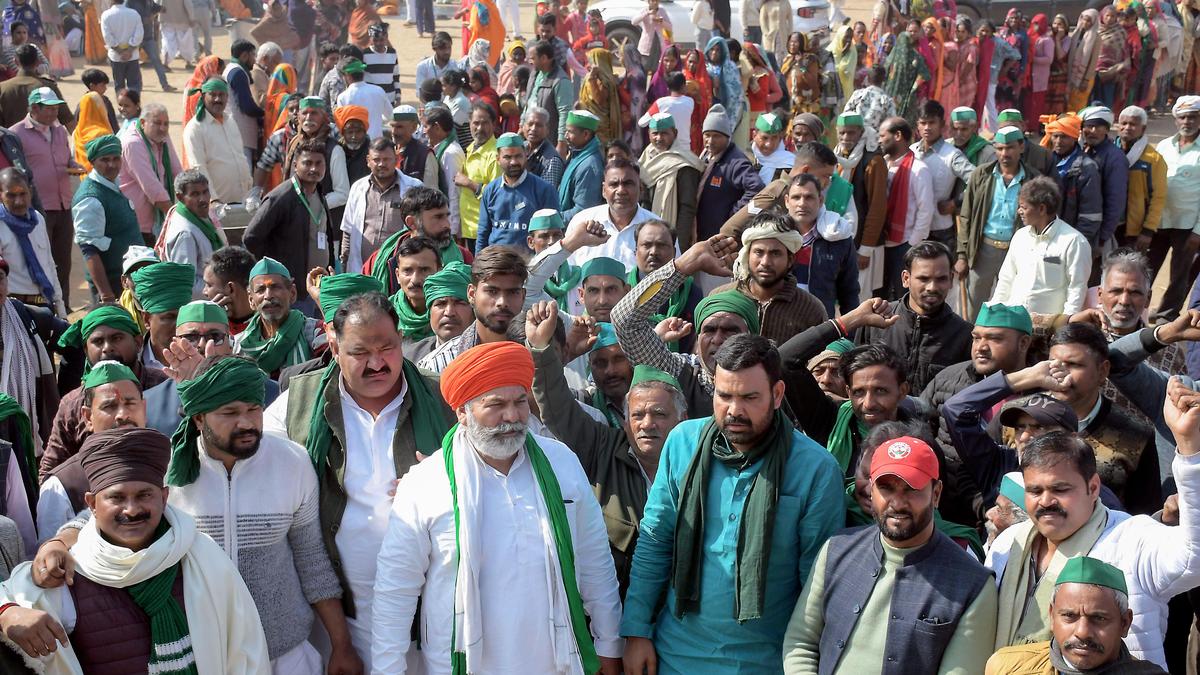
As February 2026 draws to a close, a potential trade deal between India and the United States is facing significant opposition from farmer groups in western Uttar Pradesh. The Bharatiya Kisan Union (BKU), led by Rakesh Tikait, has expressed concerns about the deal’s impact on Indian farmers, demanding clarity and threatening agitation. This comes after the NDA government’s previous reversal on farm laws, making the farming community wary of potential adverse effects. The political dynamics are further complicated by disagreements between the BKU and Rashtriya Lok Dal (RLD) president and Union Minister Jayant Chaudhary, who supports the trade deal.
Key Points:
- The BKU, specifically the Tikait faction, is raising concerns about the India-U.S. trade deal’s potential impact on Indian farmers.
- Rakesh Tikait has described the deal as a “unilateral U.S. declaration” and threatened agitation.
- A scheduled panchayat to discuss the issue has been postponed due to Prime Minister Narendra Modi’s visit to Meerut.
- Naresh Tikait, BKU president, criticized RLD president Jayant Chaudhary for supporting the deal.
- Jayant Chaudhary has defended the deal, arguing that Indian farmers are superior and will not be negatively affected.
- Rakesh Tikait attempted to downplay the rift between BKU and RLD, suggesting the media was exaggerating the disagreement.
- RLD sources claim Rakesh Tikait’s concerns are influenced by “Leftist farmer outfits.”
- The article mentions that officials from India and the U.S. will begin a three-day meet on February 23, 2026, to finalize the legal text for an interim trade pact.
Critical Analysis:
The historical context provided does not offer insights into the unfolding trade deal dispute. Therefore, a critical analysis of the event is not applicable.
Key Takeaways:
- The India-U.S. trade deal is facing resistance from farmer groups in western Uttar Pradesh, specifically the BKU.
- The political dynamics surrounding the deal are complex, involving disagreements within farmer organizations and between them and political parties.
- The concerns of the BKU center on the potential negative impact of the deal on Indian farmers, particularly regarding subsidies and competition from U.S. agricultural products.
- The situation is further complicated by the recent history of farm law reversals, creating a sense of distrust among farmers.
- The finalization of the trade deal hinges on addressing the concerns of farmer groups and navigating the intricate political landscape.
Impact Analysis:
The farmer protests have the potential to significantly disrupt the finalization and implementation of the India-U.S. trade deal. The BKU’s threat of agitation could lead to widespread protests, similar to those seen during the farm law controversy. This could put pressure on the government to reconsider aspects of the deal or offer concessions to appease farmers. The political fallout could also impact the ruling party’s support in key agricultural regions, particularly in Uttar Pradesh. Furthermore, a failure to address farmer concerns could lead to long-term distrust and instability in the agricultural sector. The outcome of this situation will likely set a precedent for future trade negotiations and the government’s approach to agricultural policy.
 First Piper