Sun Feb 22 11:50:00 UTC 2026: # Gangwon Province on High Alert as Dry Conditions and Strong Winds Fuel Wildfire Risk
The Story:
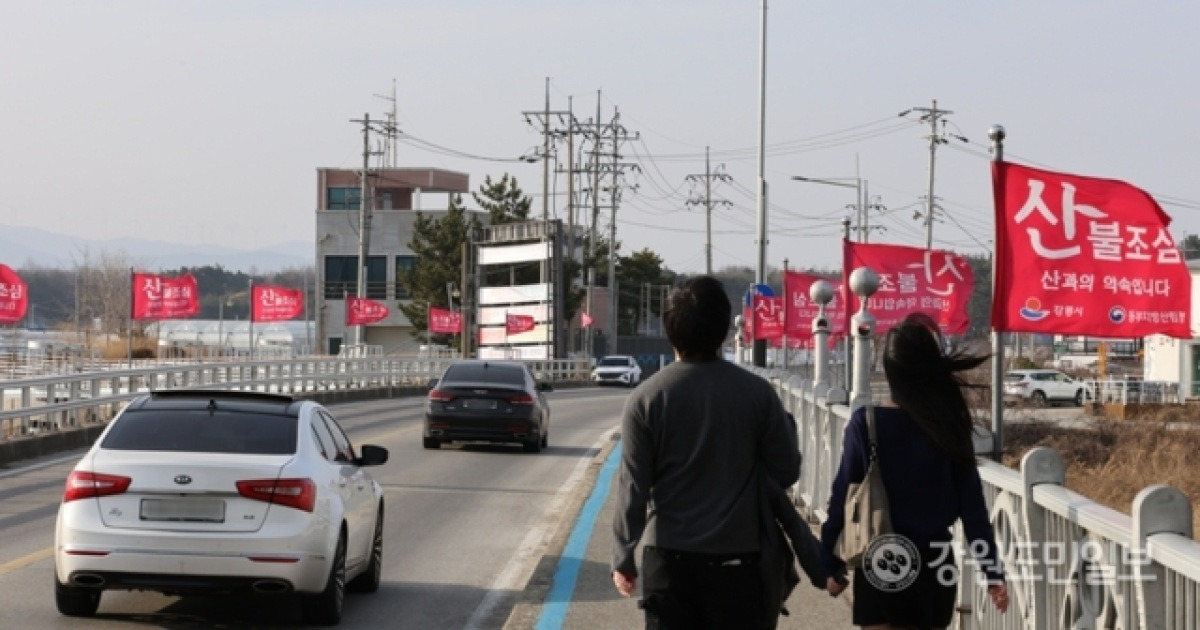
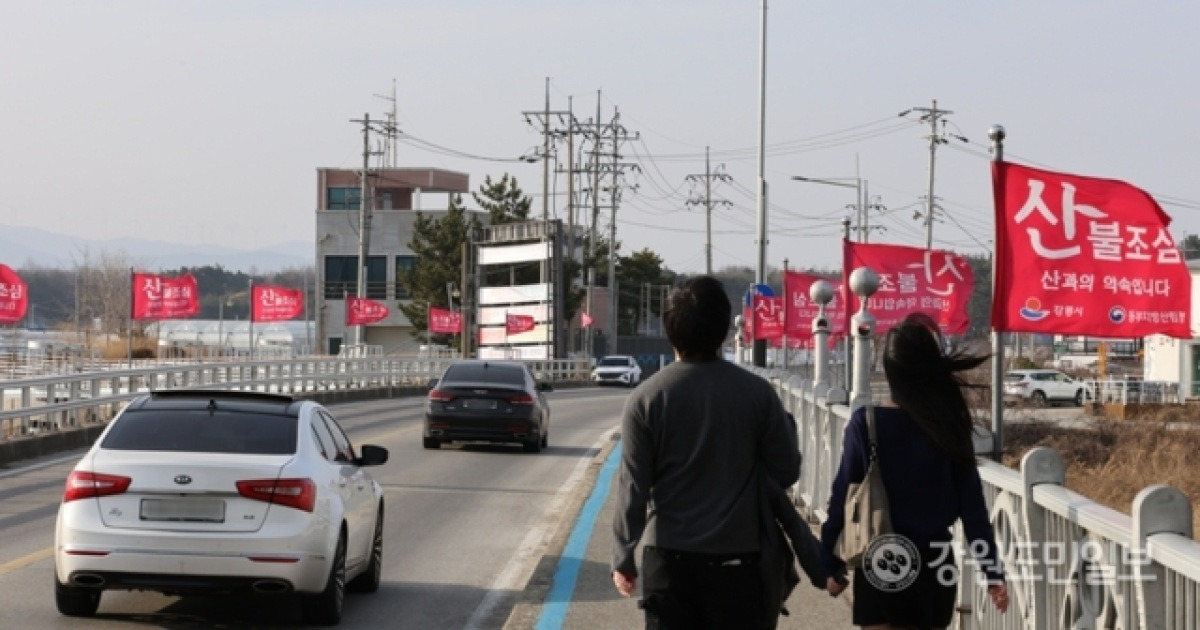
Gangwon Province, particularly the eastern coastal regions including Gangneung, is facing a heightened risk of wildfires due to rapidly drying conditions and strong winds. Despite a brief respite provided by snowfall during the Lunar New Year holiday, the region is experiencing a resurgence of dryness, prompting the re-issuance of dry weather advisories. The combination of dry vegetation and strong winds has created a dangerous environment, leading to heightened vigilance among authorities.
Key Points:
- Dry weather advisories have been issued for six cities and counties along the Gangwon eastern coast since February 20th: Gangneung, Donghae, Samcheok, Sokcho, Goseong, and Yangyang.
- The region experienced a “winter drought” due to low levels of snow and rain.
- A brief period of snowfall on February 16th led to the lifting of dry weather advisories, but they were reinstated only four days later.
- Strong wind warnings are also in effect, exacerbating the fire risk.
- Coastal areas are under a high seas warning, with Gangneung Coast Guard issuing safety advisories.
- The effective humidity is below 35% in several areas, including Samcheok (29%), Gangneung (30%), and Yangyang (30%), indicating severely dry conditions.
- A wildfire broke out in Gangneung on February 22nd at approximately 2:59 AM, but was contained in about 39 minutes.
- Previous wildfires occurred in Gangneung on February 15th and in Yangyang on February 12th, highlighting the ongoing risk.
- The Korea Forest Service is urging the public to avoid burning trash and agricultural byproducts and to exercise extreme caution with any potential ignition sources.
Key Takeaways:
- The rapid transition from temporary relief to extreme dryness highlights the vulnerability of the Gangwon region to wildfire conditions.
- The combination of dry weather and strong winds creates a volatile environment where even small sparks can quickly escalate into large-scale wildfires.
- Continuous monitoring and proactive prevention measures are crucial to mitigate the risk of wildfires in the region.
- Public cooperation in preventing potential ignition sources is essential to protecting lives and property.
- Climate patterns are playing a significant role in the increased frequency and intensity of wildfires in the region.
 First Piper