
Sun Feb 22 15:20:00 UTC 2026: # India Braces for Weather Extremes: South Expects Heavy Rain, North Faces Early Heatwave
The Story:
India is experiencing significant weather shifts as February concludes. While southern India prepares for heavy rainfall, particularly in Tamil Nadu and Kerala due to a low-pressure area in the Bay of Bengal, northern India is witnessing a rapid increase in temperatures. The India Meteorological Department (IMD) has advised fishermen to avoid the southwest Bay of Bengal and Kerala coast. Forecasts indicate a potential heatwave in the north, with temperatures expected to climb significantly above average.
Key Points:
- A low-pressure area in the southwest Bay of Bengal is likely to cause heavy rainfall in south Tamil Nadu and south Kerala around February 22.
- Fishermen are advised against venturing into the southwest Bay of Bengal and along the Kerala coast.
- Maximum temperatures in northwest India are expected to rise by 2-4 degrees Celsius over the next seven days.
- Delhi-NCR and Haryana could see temperatures reaching 33 degrees Celsius, while Rajasthan and Uttar Pradesh may experience temperatures of 35-37 degrees Celsius.
- Early morning and nighttime may still bring light cold conditions to Punjab, Rajasthan, Haryana, Delhi, and Uttar Pradesh.
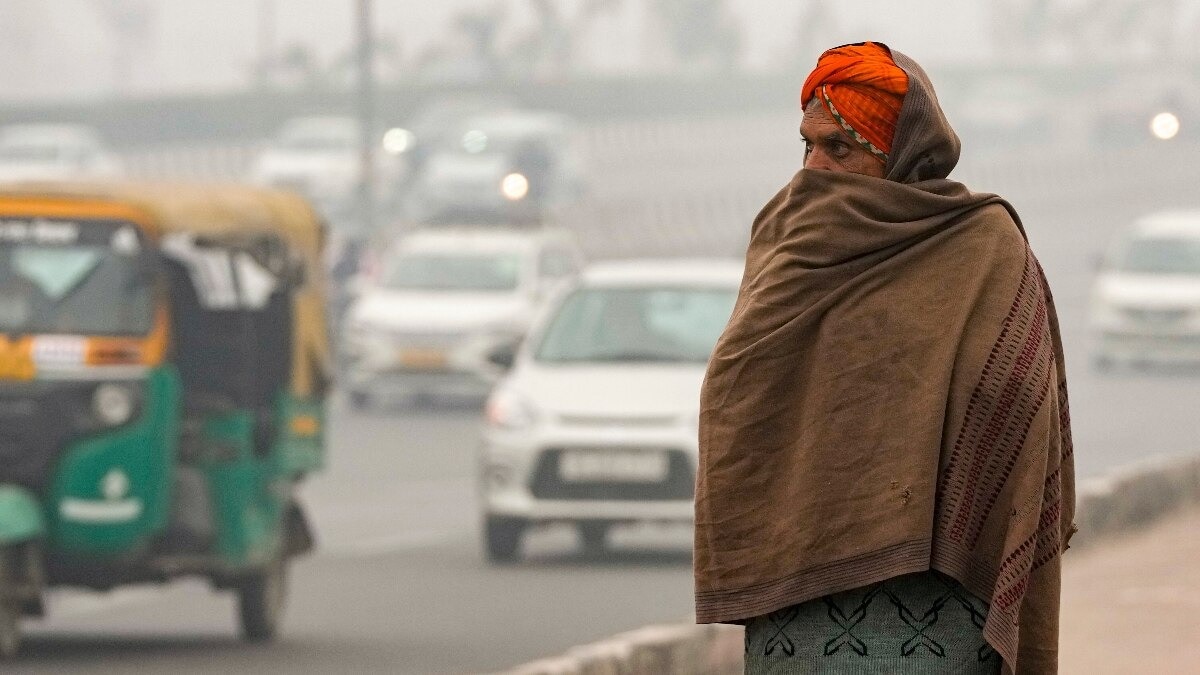
- Dense to very dense fog was recently observed in parts of Haryana and Punjab.
- Skymet Weather reports suggest that El Nino conditions could push global temperatures to record levels this year, potentially affecting India’s weather patterns.
Key Takeaways:
- India is experiencing a stark contrast in weather conditions across its regions.
- The early onset of heat in northern India raises concerns about potential heatwave conditions.
- The impact of El Nino on India’s weather warrants close monitoring.
- Farmers and vulnerable populations in both the north and south need to prepare for these extreme weather events.
- The changing weather patterns highlight the increasing urgency of addressing climate change.
 First Piper