
Sun Feb 15 15:28:39 UTC 2026: Headline: India and US Agree on Trade Deal Framework Amidst Geopolitical Tensions
The Story:
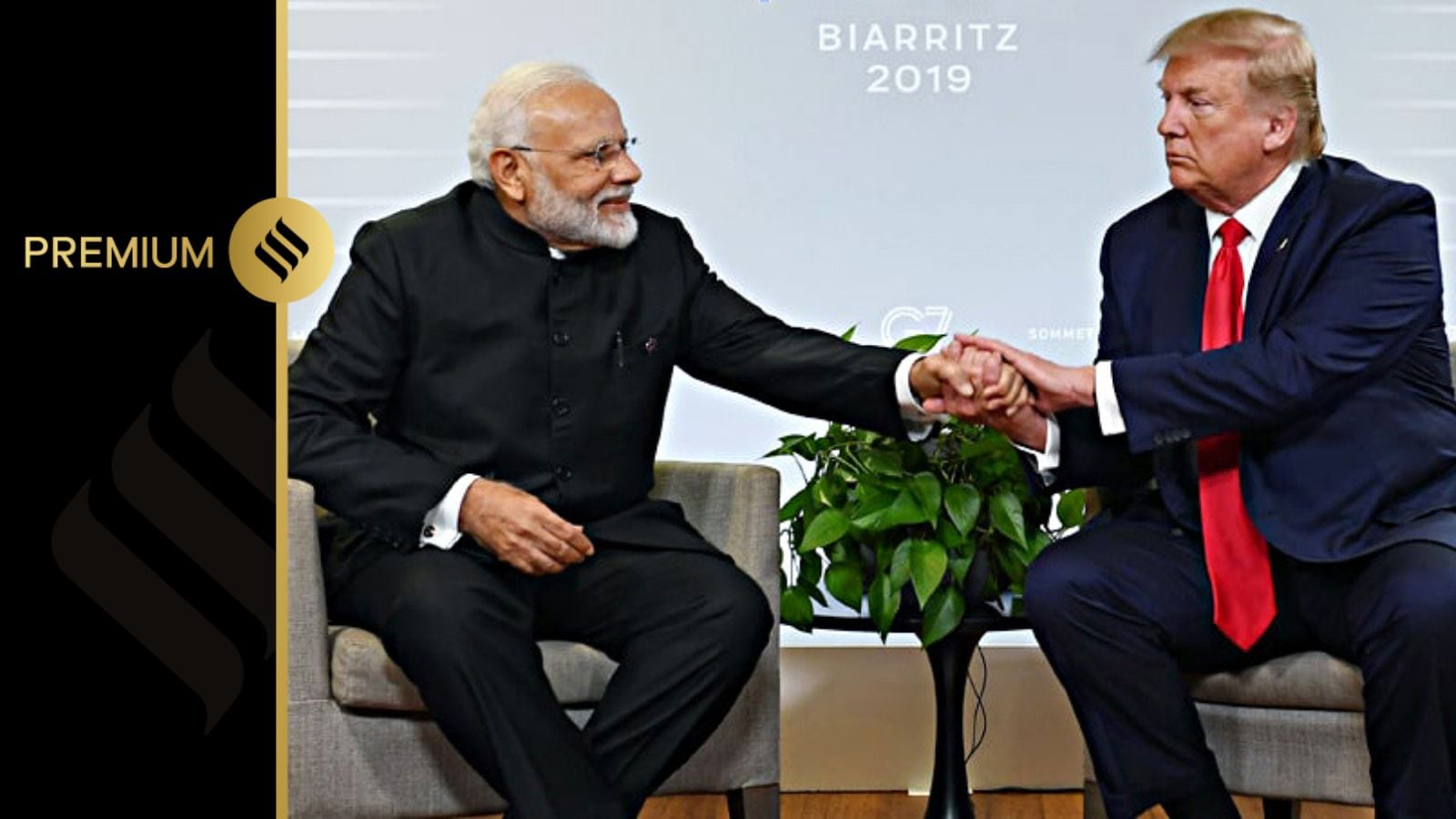
India and the United States have reportedly reached an agreement on the broad framework of a trade deal, signaling closer integration with the Western world alongside similar agreements with the EU and the UK. This development comes amidst a complex geopolitical landscape, particularly concerning India’s relationship with Russia and the ongoing economic rivalry between the US and China. The agreement’s details remain sketchy, and questions persist regarding India’s commitment to the deal, given its historical ties and strategic considerations.
The agreement arrives as India faces internal economic pressures, including a decline in foreign capital flows, a weakening rupee, and concerns about the impact of US policies on its services exports and remittances. The article raises doubts about whether the US will invest in India as heavily as it did in China, considering the lessons learned from that experience and the current focus on resilient supply chains and friendshoring.
Key Points:
- India and the US have agreed on the framework of a trade deal.
- The deal signifies closer integration with the Western world.
- The agreement coincides with India’s ongoing relationship with Russia, particularly regarding crude oil imports.
- The US-China economic clash is a central consideration in the India-US relationship.
- Doubts exist about the level of US investment in India compared to past investments in China.
- India faces internal economic pressures, including a decline in foreign capital flows and a weakening rupee.
Critical Analysis:
- Shifting Geopolitical Landscape: The trade deal is occurring against the backdrop of strained US-China relations, pushing the US to seek alternative partnerships to diversify supply chains and reduce reliance on China.
- Balancing Act: India is navigating a complex geopolitical environment, attempting to balance its relationship with the US while maintaining ties with Russia and improving relations with China.
- Economic Imperatives: India’s domestic economic concerns, such as declining capital flows and currency devaluation, likely played a role in its willingness to pursue the trade deal with the US.
Key Takeaways:
- The India-US trade deal framework represents a strategic shift, aligning India more closely with the Western world.
- The US-China rivalry is a key driver influencing the dynamics of the India-US relationship.
- India’s economic considerations and the need for growth are significant factors in its decision to pursue the trade deal.
- The success of the deal hinges on the extent of US investment and technology transfer to India.
- India’s ability to balance its relationships with the US, Russia, and China will be crucial in navigating the evolving geopolitical landscape.
Impact Analysis:
- Economic Growth: The trade deal has the potential to boost India’s export-oriented growth model and attract foreign investment, but this depends on domestic liberalization and addressing concerns about growth prospects.
- Geopolitical Realignment: The deal could lead to a further realignment of global alliances, with India potentially playing a more prominent role in the US strategy to counter China’s influence.
- Supply Chain Resilience: The agreement could contribute to greater resilience in global supply chains, as companies seek to diversify their manufacturing and sourcing locations.
- Technological Advancement: Increased US investment and technology transfer could accelerate India’s technological advancement and innovation in various sectors.
- Strategic Autonomy: India’s ability to maintain its strategic autonomy while deepening ties with the US will be a key factor in shaping its long-term geopolitical trajectory.
 First Piper