
Sun Feb 15 11:33:21 UTC 2026: # Modi Declines Invitation to Tarique Rahman’s Swearing-In Amidst Diplomatic Reset Overtures
The Story:
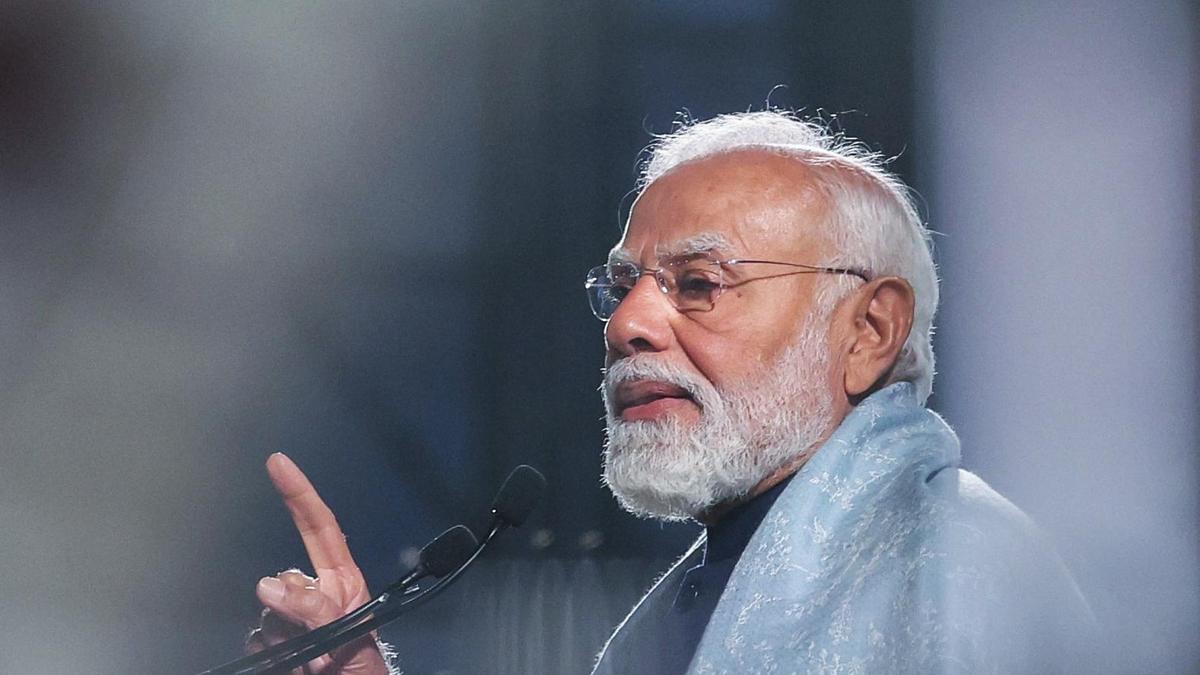
Prime Minister Narendra Modi has declined an invitation to attend the swearing-in ceremony of newly-elected Bangladesh Nationalist Party (BNP) Chief Tarique Rahman on February 17, 2026, citing prior commitments. Modi is scheduled to be in Mumbai for bilateral talks with French President Emmanuel Macron, followed by chairing the AI impact summit in Delhi. He will send Lok Sabha Speaker Om Birla and Foreign Secretary Vikram Misri to Dhaka in his place. The invitation, delivered on Saturday, February 14, 2026, through diplomatic channels by Bangladesh’s Interim advisor Muhammad Yunus, followed a telephone call between Modi and Rahman acknowledging the BNP’s landslide victory.
Key Points:
- Bangladesh invited PM Modi to Tarique Rahman’s swearing-in ceremony on February 17, 2026.
- Modi declined due to prior engagements: bilateral talks with French President Emmanuel Macron in Mumbai and chairing the AI impact summit in Delhi.
- Lok Sabha Speaker Om Birla and Foreign Secretary Vikram Misri will represent India in Dhaka.
- The invitation was delivered by Bangladesh’s Interim advisor Muhammad Yunus on February 14, 2026.
- BNP Foreign Affairs Advisor Humaiun Kobir stated that all “regional leaders” would be invited.
- Bangladesh is seeking a “total reset” in ties with India, according to reports.
Critical Analysis:
The invitation to Modi, and the subsequent high-level but not top-level representation from India, appears to be a carefully calibrated diplomatic dance. The BNP, having secured a significant electoral victory, is signaling its desire for a fresh start in relations with India. Modi’s prior commitments provide a plausible reason for his absence, while sending the Lok Sabha Speaker and Foreign Secretary demonstrates continued engagement, albeit at a level reflecting a degree of caution given the BNP’s past history and the stated desire for a “total reset.” The mention of Muhammad Yunus as the one who delivered the message is also telling; Yunus is viewed by some as being at odds with Bangladesh’s current leadership. Sending Yunus is a signal that the BNP values its relationship with the global community.
Key Takeaways:
- Bangladesh under BNP leadership is prioritizing a reset in relations with India.
- India is responding cautiously but positively by sending high-ranking officials to the inauguration.
- Modi’s absence suggests a wait-and-see approach from India, pending clarity on the BNP’s policies and actions.
- The event showcases the complex dynamics of regional diplomacy and the balancing act required in managing bilateral relations.
Impact Analysis:
The event series has profound implications for regional stability and diplomatic relations between India and Bangladesh. The BNP’s call for a “total reset” indicates a potential shift in Bangladesh’s foreign policy priorities, which could affect cooperation on issues such as border management, trade, and security. India’s response will be crucial in shaping the future trajectory of the relationship. A successful recalibration of ties could unlock new opportunities for economic and strategic partnership, while a failure to address mutual concerns could lead to renewed tensions and instability. The long-term implications depend on the ability of both countries to build trust and address outstanding issues constructively.
 First Piper