
Sun Feb 15 16:32:36 UTC 2026: ### Syria’s Army Takes Control of Shaddadi Base After U.S. Coordination
The Story:
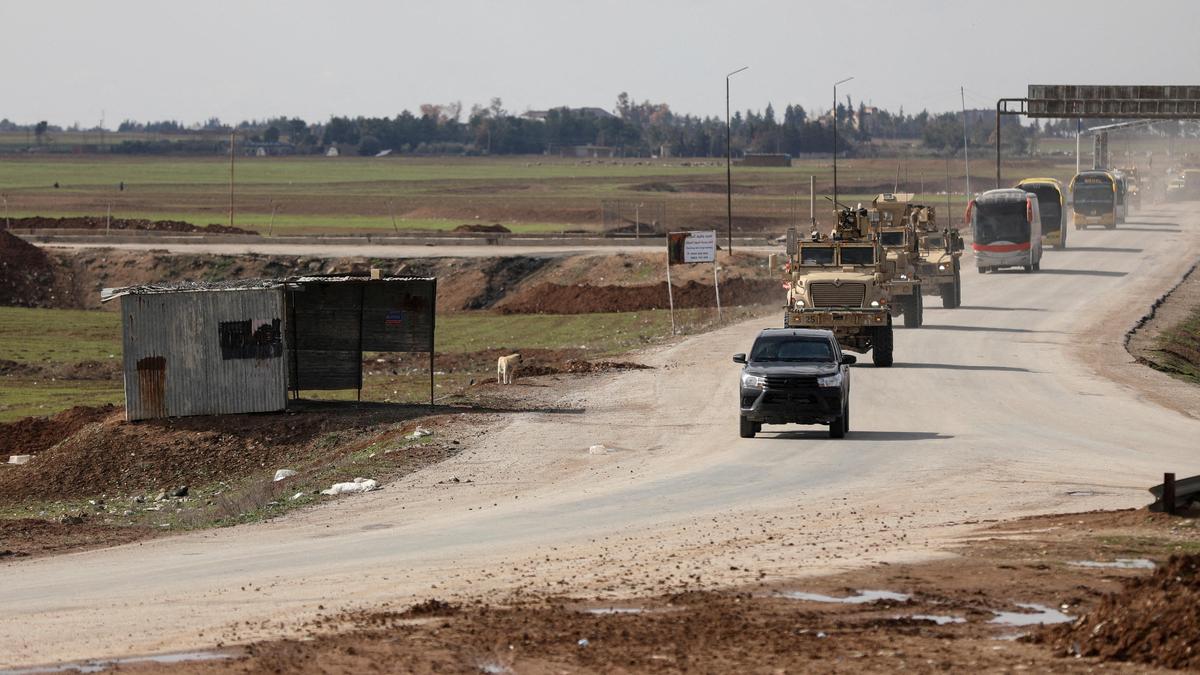
Syrian interim authority forces have assumed control of the Shaddadi military base in the northeastern province of Hasakah, following coordination with the United States. The announcement on February 15, 2026, marks a continuation of the drawdown of U.S.-led coalition forces from various locations within Syria. The Shaddadi base, a strategic site previously utilized by U.S. and coalition forces alongside the Kurdish-led Syrian Democratic Forces (SDF) in the fight against the Islamic State group, is now under the control of pro-Damascus forces.
This transfer of power is occurring amidst broader political and security shifts in northeastern Syria, including ceasefire and integration agreements between the Damascus interim authority and the SDF. While U.S. officials have not publicly commented on the Shaddadi handover, Washington has maintained its focus on preventing a resurgence of ISIS.
Key Points:
- Syrian forces took control of the Shaddadi military base in Hasakah province.
- The handover was coordinated with the United States.
- The base was previously used by U.S. and coalition forces alongside the SDF against ISIS.
- The withdrawal is part of a broader drawdown of U.S.-led coalition forces from Syria.
- Ceasefire and integration agreements between the Damascus authority and the SDF are underway.
Key Takeaways:
- The U.S. continues to strategically withdraw forces from Syria, coordinating with local actors.
- The Syrian government is gradually reasserting control over areas previously held by the SDF and coalition forces.
- The future of northeastern Syria remains complex, with ongoing negotiations and potential for instability.
- The U.S. maintains its stated objective of preventing the resurgence of ISIS.
- The stability of agreements between the interim authority and SDF forces will influence the future of the region.
Impact Analysis:
The handover of the Shaddadi base signifies a notable shift in the balance of power in northeastern Syria. The long-term implications include:
- Increased Syrian Government Influence: The Syrian government’s control over strategic locations like Shaddadi strengthens its position in the region and its ability to influence future political settlements.
- Uncertainty for the SDF: The SDF’s future is uncertain as it navigates integration agreements with the Syrian government and the receding influence of the U.S.
- Regional Power Dynamics: The evolving situation could alter the dynamics between regional actors, including Turkey, Iran, and Russia, each with their own interests in Syria.
- Counter-ISIS Operations: The withdrawal of U.S. forces raises questions about the long-term sustainability of counter-ISIS operations in the region. A potential resurgence of the group remains a threat.
- Future U.S. Role: The U.S. will likely continue to play a role in Syria through diplomatic channels and targeted military operations, but its presence will be significantly reduced compared to previous years.
 First Piper