
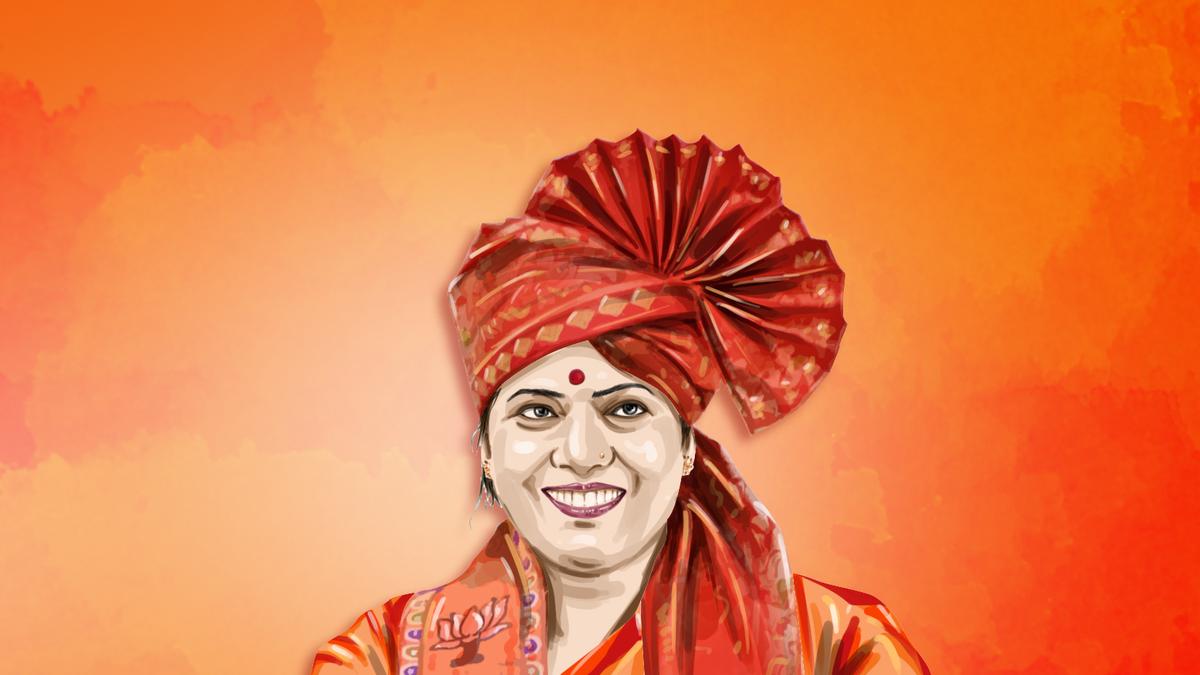
Sun Feb 15 06:39:05 UTC 2026: ### Mumbai Elects Ritu Tawde as Mayor Amidst Political Realignment
The Story:
On February 15, 2026, Mumbai inaugurated its 78th Mayor, Ritu Tawde, marking a significant shift in the city’s political landscape. Tawde, a member of the BJP, assumes office after a four-year gap in corporator representation at the Brihanmumbai Municipal Corporation (BMC) headquarters. The BJP emerged as the largest party in the BMC for the first time, but lacks a majority.
Tawde’s election comes amid a fractured political environment following the 2022 split within the Shiv Sena. The BJP, allied with Eknath Shinde’s Shiv Sena, faces a strong opposition led by Uddhav Thackeray’s Shiv Sena (UBT), which secured 65 seats and includes several experienced former mayors. Tawde’s appointment is viewed as a strategic move by the BJP to aggressively champion Hindutva, address corruption, and navigate the complexities of Mumbai’s administrative system.
Key Points:
- Ritu Tawde is the 78th Mayor of Mumbai and the second BJP mayor.
- She is a two-term corporator representing the Ghatkopar area.
- The BJP holds 89 seats in the 227-member BMC, lacking an outright majority.
- Uddhav Thackeray’s Shiv Sena (UBT) secured 65 seats, becoming the principal opposition.
- Tawde is expected to focus on issues like corruption, illegal hawkers, and improving city infrastructure.
Critical Analysis:
The related historical context reveals several key trends that contextualize Tawde’s election:
- BJP’s Push for Mayoral Control: Bandi Sanjay’s accusations in Karimnagar suggest a wider BJP strategy to secure mayoral positions across different regions, indicating a coordinated effort to expand political influence.
- Factionalism in Shiv Sena: The split in the Shiv Sena in 2022 continues to reverberate, as seen in the contrasting performance of Eknath Shinde’s Shiv Sena (allied with BJP) and Uddhav Thackeray’s Shiv Sena (UBT). This division has opened opportunities for the BJP to gain ground in Mumbai.
- Focus on Illegal Hawkers: Tawde’s pledge to remove illegal Bangladeshi hawkers echoes similar statements made by other mayors, pointing towards a common municipal concern and potentially a broader political agenda regarding immigration and urban space.
Key Takeaways:
- The BJP’s rise to become the largest party in the BMC reflects a significant shift in Mumbai’s political dynamics.
- The fractured political landscape, particularly the division within the Shiv Sena, has created opportunities for the BJP.
- Tawde’s focus on Hindutva and addressing corruption suggests a strategic alignment with the BJP’s broader political goals.
- The mention of targeting “illegal Bangladeshi hawkers” hints at potential policies that could impact the city’s socio-economic fabric.
- Mumbai’s future development will depend on the BJP’s ability to navigate coalition politics and deliver on its promises regarding infrastructure and governance.
Impact Analysis:
Tawde’s tenure has the potential for long-term implications:
- Shift in BMC Policy: The BJP’s control, even without a majority, could lead to significant changes in BMC policies, especially regarding development projects and urban planning.
- Hindutva Agenda: Her aggressive championing of Hindutva could influence cultural and social policies within the city.
- Future Elections: The BJP’s performance under Tawde’s leadership will likely influence the party’s prospects in future state and national elections.
- Infrastructure Development: Her promises to improve clean air, travel, and public transport will be crucial for Mumbai’s long-term sustainability and livability. The extent to which these promises are fulfilled will significantly impact citizen satisfaction and trust in the new administration.
 First Piper