
Sun Feb 15 08:39:59 UTC 2026: # Modi Declines Invitation to BNP Leader’s Swearing-in Ceremony Amidst AI Summit and Bilateral Talks
The Story:
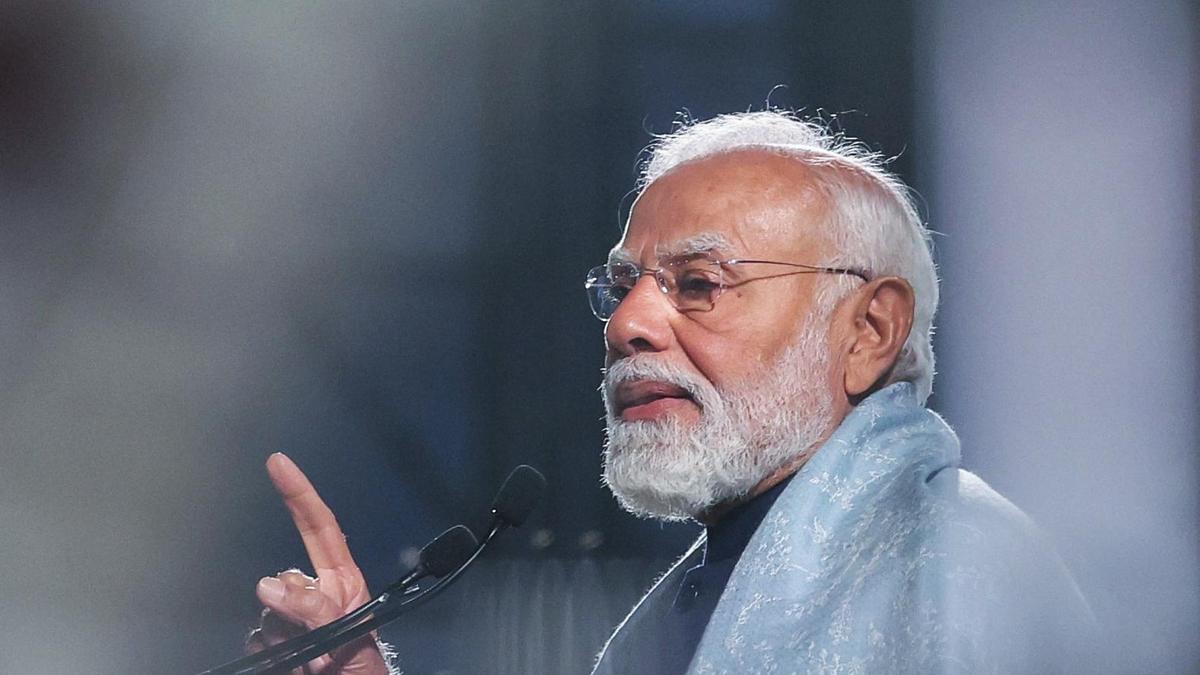
Prime Minister Narendra Modi has declined an invitation to attend the swearing-in ceremony of Bangladesh Nationalist Party (BNP) Chief Tarique Rahman on February 17, 2026, citing prior commitments. These commitments include bilateral talks with French President Emmanuel Macron in Mumbai and chairing the Artificial Intelligence (AI) Impact Summit in Delhi. Speaker of the Lok Sabha, Om Birla, and Foreign Secretary, Vikram Misri, will represent India at the Dhaka ceremony. The invitation was extended by Bangladesh’s Interim Advisor Muhammad Yunus.
Key Points:
- The BNP secured a two-thirds majority in the recent Bangladesh elections.
- PM Modi will meet with President Macron in Mumbai on February 17, 2026, for bilateral talks before both attend the AI summit in Delhi.
- Other nations invited to the swearing-in include SAARC countries and China, Saudi Arabia, Turkiye, UAE, Qatar, Malaysia and Brunei.
- Sri Lankan President Anura Kumara Dissanayake and Bhutan PM Tshering Tobgay are also expected at the Delhi AI summit on February 18, 2026.
- The invitation from Bangladesh was delivered on February 14, 2026, following a phone conversation between PM Modi and Mr. Rahman.
Critical Analysis:
This situation showcases a balancing act of diplomacy and strategic priorities. PM Modi’s commitments to France and the AI Summit demonstrate India’s focus on strengthening ties with Europe and positioning itself as a leader in Artificial Intelligence. The BNP’s landslide victory and the subsequent invitation provide an opportunity for India to engage with the newly formed government in Bangladesh, but the choice to send representatives signals a measured approach. Given the prior context includes an arrest regarding “objectionable remarks” against PM Modi, it is possible there is caution when engaging with a new political landscape.
Key Takeaways:
- India is prioritizing its relationship with France and its agenda on AI over direct high-level representation at the BNP swearing-in.
- Despite declining the invitation, India is maintaining diplomatic engagement with Bangladesh through sending representatives.
- The wide range of countries invited to the ceremony highlights Bangladesh’s desire for broad regional and international support.
- The AI Summit provides a platform for India to engage with key leaders from the region on technology and development.
- India’s approach underscores a nuanced foreign policy strategy, balancing various regional and global interests.
Impact Analysis:
The decision to send representatives instead of PM Modi could potentially impact the early stages of the India-Bangladesh relationship under the new BNP government. While it may be interpreted as a slight, the continued diplomatic engagement through Birla and Misri aims to mitigate any negative perception. Long-term, the success of this approach will depend on the effectiveness of the dialogue established through these representatives and the alignment of interests between the two nations on key issues such as trade, security, and regional stability. The AI summit serves as another opportunity to engage with regional leaders and promote India’s technological prowess, potentially strengthening diplomatic ties with participating nations.
 First Piper