
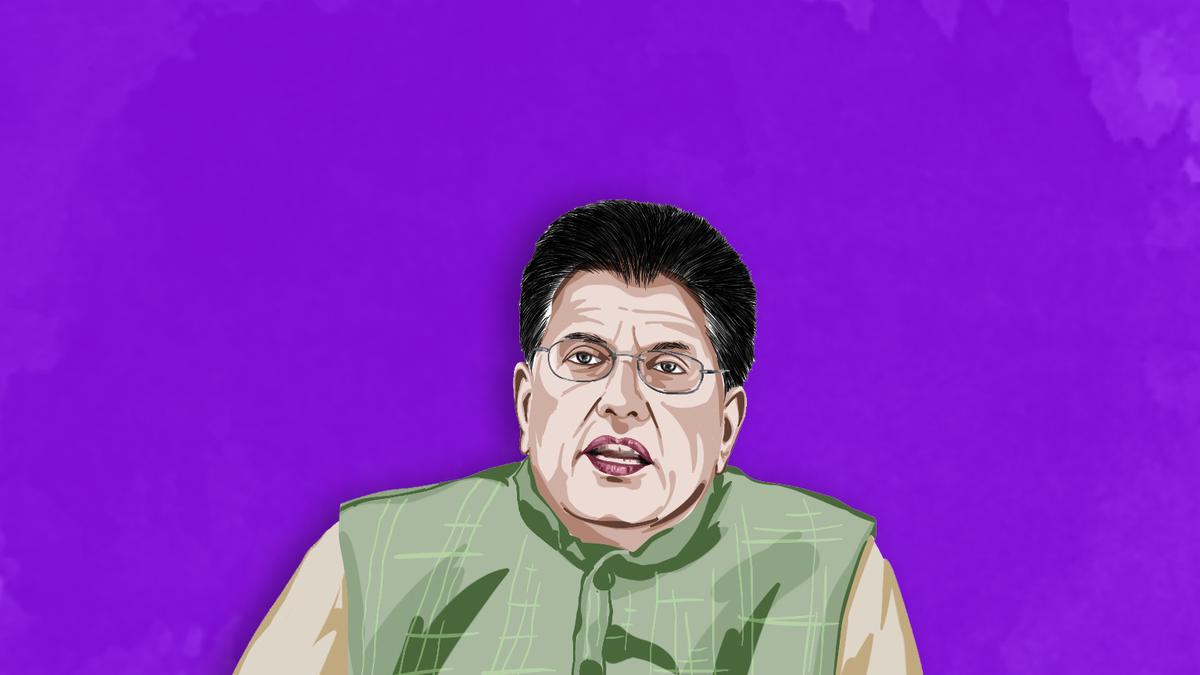
Sun Feb 15 05:46:28 UTC 2026: # India Grapples with U.S. Tariffs and Trade Deal Fallout Amidst Domestic Pressure
The Story:
In February 2026, India faces significant challenges stemming from the U.S.’s unilateral imposition of 50% tariffs. The Commerce Minister, Piyush Goyal, is at the center of the storm, tasked with addressing the economic repercussions and quelling domestic unrest. The timing of the tariffs coincides with a turbulent Monsoon Session of Parliament, where the Opposition demands immediate action. Simultaneously, Goyal must defend a newly forged trade deal with the U.S., facing criticism that it is one-sided, particularly regarding agricultural interests.
Key Points:
- The U.S. imposed 50% tariffs on India.
- The announcement occurred during the Monsoon Session of Parliament, leading to immediate protests.
- Piyush Goyal, the Commerce Minister, is responsible for safeguarding national interests and calming the public.
- Farmers are concerned about the opening up of agriculture to the U.S. under the new trade deal.
- The deal faces criticism for being one-sided, with concerns about India ending Russian oil purchases and buying more American products.
- President Trump is explicitly linked to the demands placed on India under the trade agreement.
- Piyush Goyal previously faced protests as Railway Minister in 2018 over apprenticeship quotas.
- Goyal was part of the delegation that negotiated with protesting farmers seeking repeal of the farm laws in 2020-21.
- He served as Finance Minister in January 2019, presenting an interim budget that broke convention by announcing income support for farmers and tax exemptions.
Critical Analysis:
The historical context provides additional insight. The article “Indian Textile Exports To US To Get Same Benefits As Bangladesh: Piyush Goyal” of February 13, 2026, shows that the trade relationship with the US was seemingly being managed, yet tensions rose quickly. The fact that Gen Z is enraged by a job crisis is also an indicator that new trade deals with the US might not be seen as favorable.
Key Takeaways:
- The U.S. tariffs have created immediate political and economic pressure on India.
- Piyush Goyal is under significant pressure to manage the crisis and defend the trade deal.
- The farmers’ concerns are a major point of contention, reminiscent of the 2020-21 farm law protests.
- U.S. demands regarding Russian oil and American products raise questions about India’s economic sovereignty.
- The political fallout could be significant given the opposition’s response and past experiences with public unrest.
Impact Analysis:
The events described carry significant long-term implications for India.
- Economic Shift: The U.S. tariffs and the conditions of the trade deal could force a significant restructuring of India’s trade relationships and economic policies, potentially impacting key sectors like agriculture and energy.
- Geopolitical Alignment: The demand to reduce or eliminate Russian oil purchases directly challenges India’s foreign policy independence and its strategic partnership with Russia, potentially pushing India closer to the U.S. orbit.
- Domestic Stability: The farmers’ unrest represents a significant threat to domestic stability and the ruling party’s political capital, echoing the contentious farm law protests of 2020-21.
- International Relations: India’s ability to navigate the tensions between the U.S. and Russia will shape its role as a key player in the evolving global order. The trade deal outcome will influence future negotiations with other major economies.
 First Piper