
Sun Feb 15 01:06:23 UTC 2026: Headline: BNP Victory in Bangladesh Raises Concerns Over Ganga Water Treaty Renewal and Indo-Bangladesh Relations
The Story:
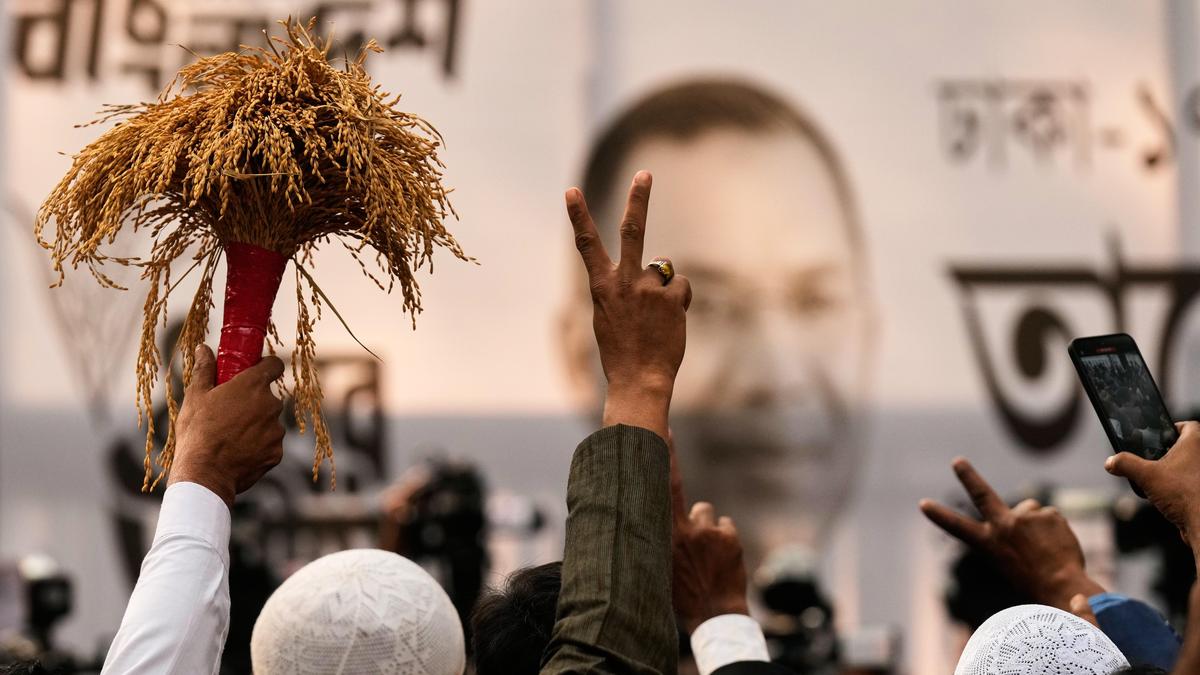
Following a landslide victory in the February 12, 2026 national parliamentary election, the Bangladesh Nationalist Party (BNP) is set to form a new government. Humaiun Kobir, foreign affairs advisor to Prime Minister-designate Tarique Rahman, stated that Bangladesh will prioritize its “national interest” in deciding on the renewal of the 1996 Ganga Water Treaty with India, which is due for renewal by December 2026. Kobir also expressed concerns about communal incidents in India and the killing of Bangladeshi civilians by Indian border security forces, signaling a potentially more challenging phase in Indo-Bangladesh relations.
Key Points:
* The BNP secured a landslide victory in the February 12, 2026 election.
* The renewal of the 1996 Ganga Water Treaty is a priority for the incoming BNP government.
* Bangladesh will base its decision on the treaty renewal on its “national interest.”
* The BNP is concerned about communal violence in India.
* The killing of Bangladeshi civilians by Indian border security forces remains a point of contention.
* Tarique Rahman has cultivated international relationships during his time in exile.
Key Takeaways:
- The BNP’s victory marks a significant shift in Bangladeshi politics, potentially ending the era of Sheikh Hasina and the Awami League.
- The future of the Ganga Water Treaty is uncertain, as the BNP signals a tougher negotiating stance centered on national interests.
- Increased tensions between Bangladesh and India could arise due to concerns over communal issues and border security incidents.
- The new government may seek advice from the outgoing interim government led by Prof. Mohammed Yunus regarding previous negotiations.
- The call for India to recognize the new “political reality” suggests a desire for a reset in bilateral relations, potentially on terms more favorable to Bangladesh.
Impact Analysis:
- Geopolitical Ramifications: A renegotiation or non-renewal of the Ganga Water Treaty could strain India-Bangladesh relations, impacting regional stability and cooperation on other key issues such as trade, security, and counter-terrorism.
- Internal Security: Rising communal tensions, as perceived by the BNP, could influence domestic policies in both countries, potentially leading to discriminatory practices or heightened security measures that affect minority populations.
- Economic Impact: Any disruption in water sharing could affect agricultural output and livelihoods in both Bangladesh and the Indian states dependent on the Ganga River, exacerbating existing socio-economic challenges.
- Diplomatic Realignment: Tarique Rahman’s established international connections may lead to Bangladesh diversifying its alliances and seeking support from other global powers, potentially reducing its dependence on India.
 First Piper