
Sun Feb 15 03:14:54 UTC 2026: # India Defends Strategic Autonomy Amid Trade Deal and Geopolitical Shifts
The Story:
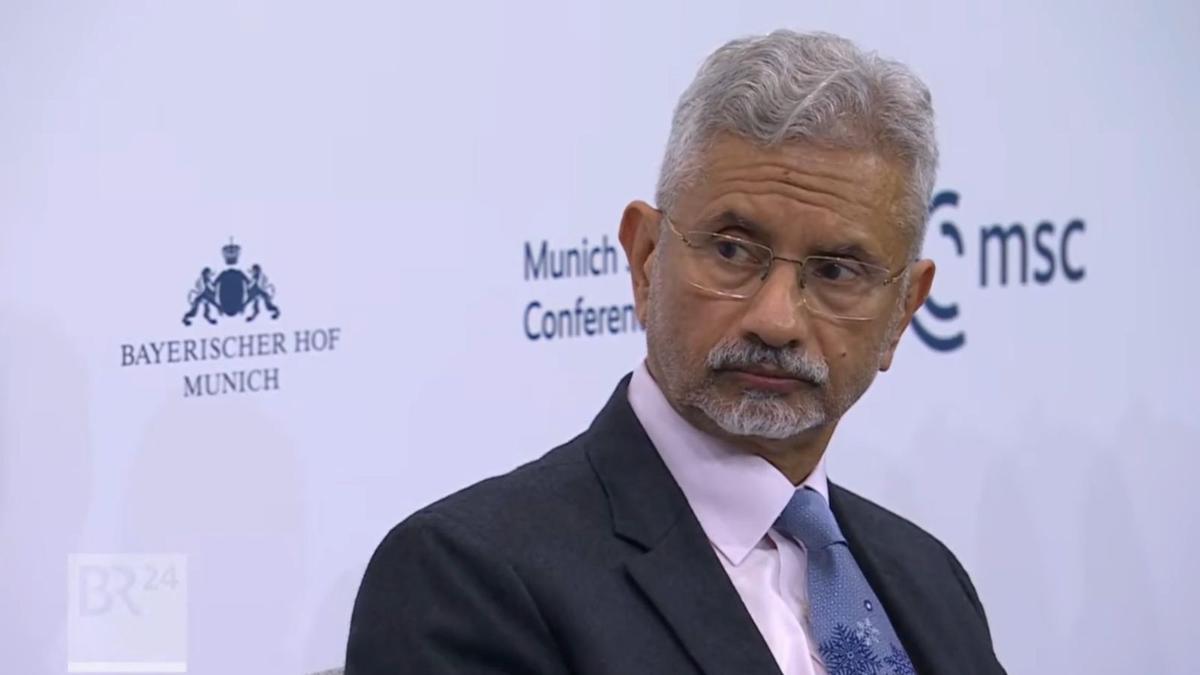
External Affairs Minister S. Jaishankar, speaking at the Munich Security Conference on February 14, 2026, refuted claims that India’s strategic autonomy has been compromised due to a recent trade agreement with the United States under President Donald Trump. The agreement, which reportedly involves India reducing its purchases of Russian oil in exchange for tariff reductions on Indian exports to the U.S., has drawn criticism, including from opposition parties within India. Jaishankar maintained that India continues to make independent decisions, citing the India-EU FTA and Chancellor Merz’s visit to India as examples of successful diplomatic engagements. He also addressed the progress of the India Europe Middle East Corridor (IMEC) and the status of the Quad summit.
Key Points:
- S. Jaishankar denied that India’s strategic autonomy had been impacted by the trade agreement with the United States.
- The trade agreement with the U.S. reportedly involves India reducing Russian oil imports in exchange for tariff cuts.
- President Trump had stated India agreed to stop buying oil from Russia as part of the trade deal.
- Jaishankar highlighted India’s independent decision-making and cited the India-EU FTA as an example.
- He addressed concerns regarding the progress of the IMEC project, citing the conflict in West Asia as a factor in the slow pace.
- Jaishankar clarified that the Quad summit, initially planned for 2025 in India, was not cancelled but also not specifically scheduled.
Critical Analysis:
The news article reveals a delicate balancing act India is attempting to navigate between its relationships with the US, Russia, and the EU. The pressure from the Trump administration to reduce Russian oil imports highlights the continued US influence on global trade and energy policies. Jaishankar’s strong defense of India’s strategic autonomy underscores the nation’s commitment to maintaining an independent foreign policy, despite external pressures. The reference to the India-EU FTA and German Chancellor’s visit suggests India is actively strengthening ties with Europe as a counterweight to US influence or potential economic risks associated with over-reliance on any single partner.
Key Takeaways:
- India is under pressure to align its energy and trade policies with U.S. interests.
- India is determined to maintain its strategic autonomy in foreign policy.
- The India-EU FTA is a significant development that signals a shift towards stronger European ties.
- The IMEC project faces delays due to regional instability in West Asia.
- The future of the Quad summit remains uncertain, reflecting potential challenges in Indo-U.S. relations under the Trump administration.
Impact Analysis:
The unfolding situation has several potential long-term implications:
- Geopolitical Rebalancing: India’s ability to balance its relationships with major global powers (US, Russia, EU) will be crucial for maintaining regional stability and advancing its economic interests.
- Energy Security: The pressure to reduce Russian oil imports could force India to diversify its energy sources, potentially accelerating investments in renewable energy.
- Trade Dynamics: The India-EU FTA could reshape trade flows and investment patterns, potentially boosting India’s economic growth and integration into the global economy.
- Regional Connectivity: Delays in the IMEC project could impact regional connectivity and economic development in the Middle East and South Asia.
- Multilateral Cooperation: The uncertainty surrounding the Quad summit underscores the challenges of maintaining multilateral cooperation in a rapidly changing geopolitical landscape. The success of the AI Summit 2026 in India and Jaishankar’s comments on Davos suggests India will continue to pursue these relationships but on their own terms.
 First Piper