
Sun Feb 15 16:12:40 UTC 2026: # India Cautiously Optimistic About Potential Engagement with Bangladesh Nationalist Party
The Story
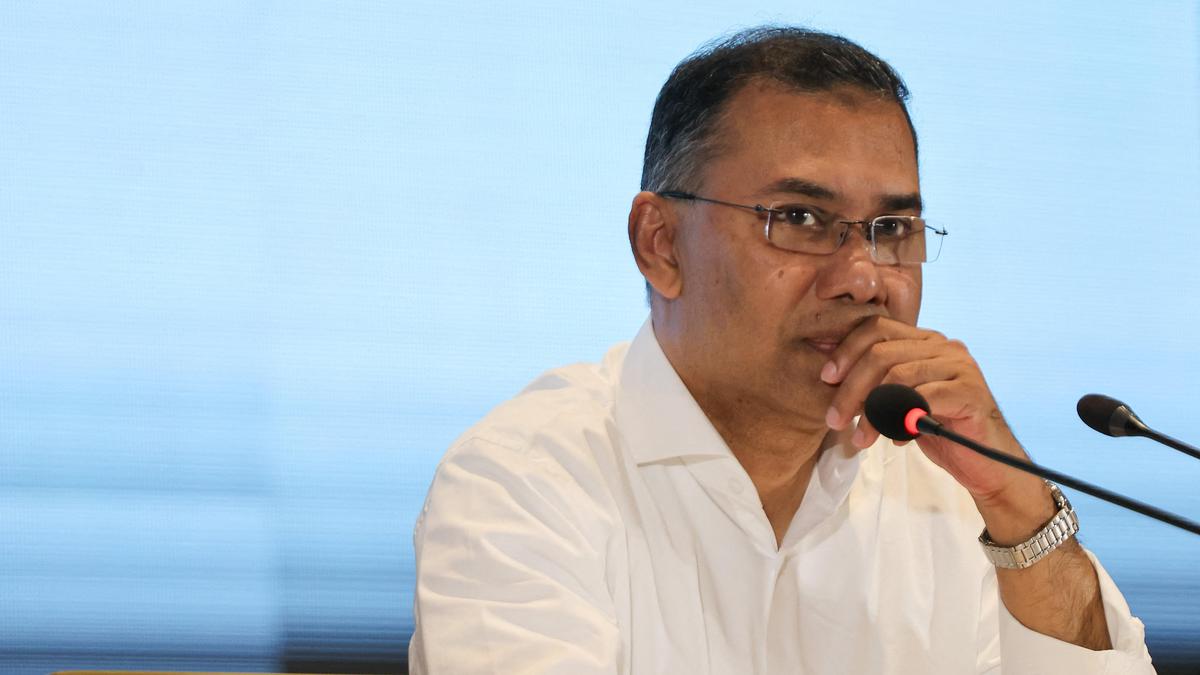
India is adopting a cautious approach to working with the incoming Bangladesh Nationalist Party (BNP), led by Tarique Rahman, son of former Prime Minister Khaleda Zia. Despite Rahman’s controversial past, including charges related to the 2004 grenade attack and subsequent corruption convictions, New Delhi is intrigued by his newly presented 31-point agenda. This agenda focuses on development issues like climate change, water management, and trade connectivity, areas of mutual interest that could potentially normalize relations between the two nations.
While officially silent on the election results, India is closely monitoring the new government’s actions, particularly regarding cross-border terrorism and illegal immigration. However, there is a willingness to engage if the BNP demonstrates a commitment to addressing India’s concerns and collaborating on shared objectives.
Key Points
- India is being “careful” in setting expectations for working with the BNP administration.
- Tarique Rahman’s 31-point agenda focusing on development is of interest to India.
- Rahman has been a controversial figure due to past charges and convictions.
- India is awaiting the new government’s actions on issues like cross-border terrorism and illegal immigration.
- India is open to engaging with the new government if its concerns are addressed and mutual interests are pursued.
Critical Analysis
The provided historical context lacks direct relevance to the India-Bangladesh relations. Therefore, a detailed analysis of “WHY” these events are unfolding is not possible based on the given information.
Key Takeaways
- India is balancing pragmatism and caution in its approach to the new BNP government in Bangladesh.
- Economic development and regional cooperation, as outlined in Rahman’s 31-point agenda, could provide a pathway for improved relations.
- India’s primary concerns revolve around security issues such as cross-border terrorism and illegal immigration.
- The future of India-Bangladesh relations hinges on the actions taken by the new government in addressing India’s concerns.
- A “win-win” scenario is possible if both sides adopt a pragmatic and realistic approach.
Impact Analysis
The outcome of India’s engagement with the new Bangladeshi government will significantly impact regional stability and economic cooperation. Successful collaboration could strengthen trade ties, improve water management, and address shared security concerns. Failure to do so could lead to increased tensions and instability in the region. The handling of cross-border terrorism and illegal immigration will be particularly crucial in shaping the long-term trajectory of the relationship.
 First Piper